
पशु परीक्षण
परिभाषा
'पशु परीक्षण' का अर्थ
पशु परीक्षण एक ऐसी प्रथा है जो सौंदर्य प्रसाधनों, दवाइयों और रासायनिक पदार्थों के क्षेत्र में आम है, जिसमें चूहे, खरगोश और अन्य जानवरों पर विभिन्न रसायनों और उत्पादों का परीक्षण किया जाता है। यह प्रक्रिया नैतिक दृष्टि से गंभीर चिंताएँ उत्पन्न करती है, क्योंकि इसमें जानवरों को अत्यधिक कष्ट सहना पड़ता है। वर्तमान में कई देशों और क्षेत्राधिकारों ने सौंदर्य प्रसाधनों के लिए पशु परीक्षण पर प्रतिबंध लगा दिया है। साथ ही, कोशिका संवर्धन और कंप्यूटर मॉडलिंग जैसी वैकल्पिक विधियाँ तेजी से मान्यता प्राप्त कर रही हैं और इन्हें वैज्ञानिक रूप से प्रमाणित किया जा रहा है। पशु कल्याण से जुड़ी चिंताओं और वैज्ञानिक सीमाओं के कारण यह प्रथा आज भी अत्यधिक विवादास्पद बनी हुई है, क्योंकि वैकल्पिक विधियों के मौजूद होने के बावजूद इसका उपयोग जारी है।
संबंधित शब्द
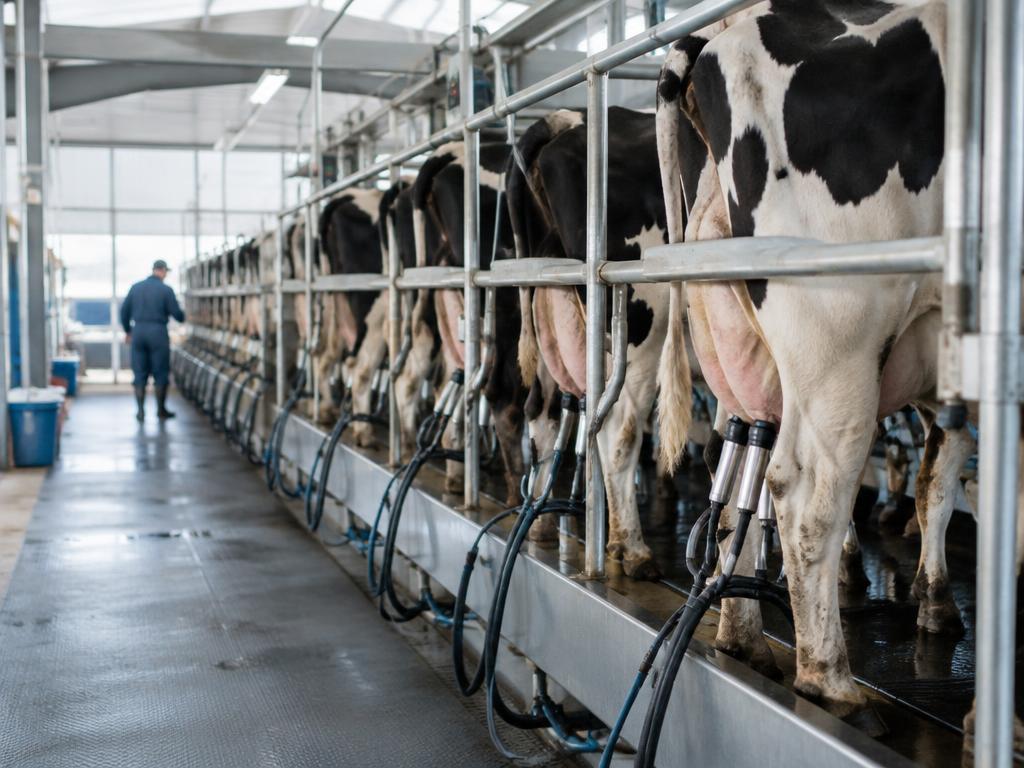
- उद्योग
दूध और दूध से प्राप्त उत्पादों, जैसे कि गाय, बकरी और भेड़ से प्राप्त दूध, के उत्पादन, प्रसंस्करण और वितरण में संलग्न वैश्विक क्षेत्र।
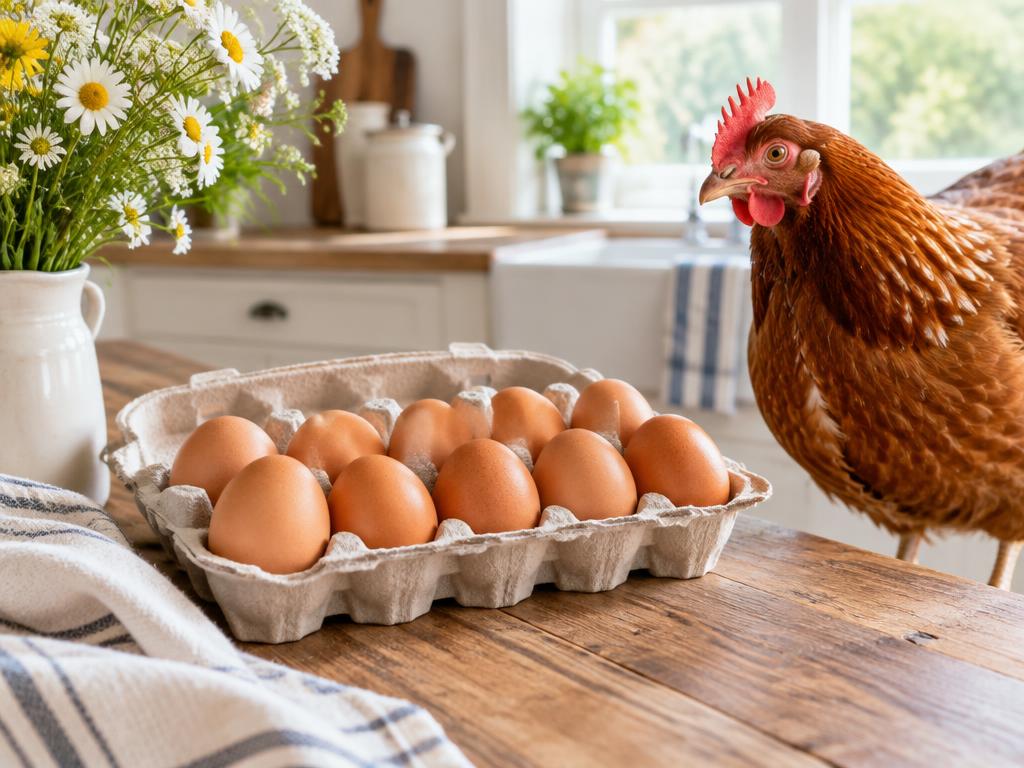
- उद्योग
मुर्गियों से प्राप्त अंडों के व्यावसायिक उत्पादन, प्रसंस्करण और विपणन का वह क्षेत्र, जो मुख्य रूप से मानव उपभोग के लिए संचालित होता है।
- रेंडरिंग
- उद्योग
पशु अपशिष्ट को वसा, प्रोटीन और अन्य उपयोगी उत्पादों में बदलने की औद्योगिक प्रक्रिया।


विस्तार से
पूरा उत्तर
Animal testing refers to the use of non-human animals in experiments to assess the safety, efficacy, or toxicity of products such as cosmetics, pharmaceuticals, and household chemicals. Consumers encounter this concept most directly on product labels that carry certifications like "Leaping Bunny" or "Cruelty-Free," indicating that no animal tests were conducted. It is a longstanding but increasingly controversial practice within the scientific and regulatory communities.
In practice, animal testing typically involves exposing mice, rats, rabbits, or guinea pigs to substances through ingestion, inhalation, or skin application to observe adverse effects. Common procedures include the Draize eye test, where chemicals are applied to rabbits' eyes, and the LD50 test, which determines the lethal dose for 50% of subjects. These methods are governed by regulatory frameworks like the U.S. Food and Drug Administration's guidelines, though many countries now restrict or ban testing for cosmetics.
For consumers, choosing products that are certified cruelty-free helps reduce demand for animal testing, aligning with ethical concerns about animal suffering. However, nuance exists: some jurisdictions still require animal tests for certain drugs or chemicals, and "cruelty-free" labels may not account for ingredient suppliers that test. Understanding certification logos and supporting companies with transparent policies empowers more informed purchasing decisions.
एक नज़र में
मुख्य तथ्य
- उपयोग की जाने वाली सामान्य प्रजातियां
- चूहे, मूषक, खरगोश, गिनी पिग्स
- वैश्विक वार्षिक संख्या
- 10 करोड़ से अधिक जानवर
- प्राथमिक नियामक निकाय
- FDA, EMA, OECD
- कॉस्मेटिक्स प्रतिबंध वाले क्षेत्र
- यूरोपीय संघ, भारत, इज़राइल, नॉर्वे
| बिंदु | जानने योग्य |
|---|---|
| उपयोग की जाने वाली सामान्य प्रजातियां | चूहे, मूषक, खरगोश, गिनी पिग्स |
| वैश्विक वार्षिक संख्या | 10 करोड़ से अधिक जानवर |
| प्राथमिक नियामक निकाय | FDA, EMA, OECD |
| कॉस्मेटिक्स प्रतिबंध वाले क्षेत्र | यूरोपीय संघ, भारत, इज़राइल, नॉर्वे |
व्यवहार में
आपके लिए इसका मतलब
- Look for certified logos like Leaping Bunny or PETA's Beauty Without Bunnies on personal care and household products.
- Check company parent brands; some cruelty-free lines are owned by firms that still test on animals.
- Use apps or websites like Cruelty-Free Kitty to verify a brand's testing policy before purchasing.
- When buying medications, ask your pharmacist about animal testing policies, though alternatives are limited.
प्रश्न