world’s most polluted tanneries
Hazaribagh Legacy: Inside the World’s Most Polluted Tanneries
An investigation into the environmental collapse of Hazaribagh reveals how the world’s most polluted tanneries devastated local ecosystems and public health.
Published July 12, 2026 · 7 min read
Image: AI-generated illustration · One Fork
Hazaribagh, a district in Dhaka, Bangladesh, became synonymous with industrial toxicity due to decades of unregulated leather production. This case study examines how the relocation of the world’s most polluted tanneries to the Savar Tannery Estate attempted to resolve a humanitarian and ecological catastrophe.
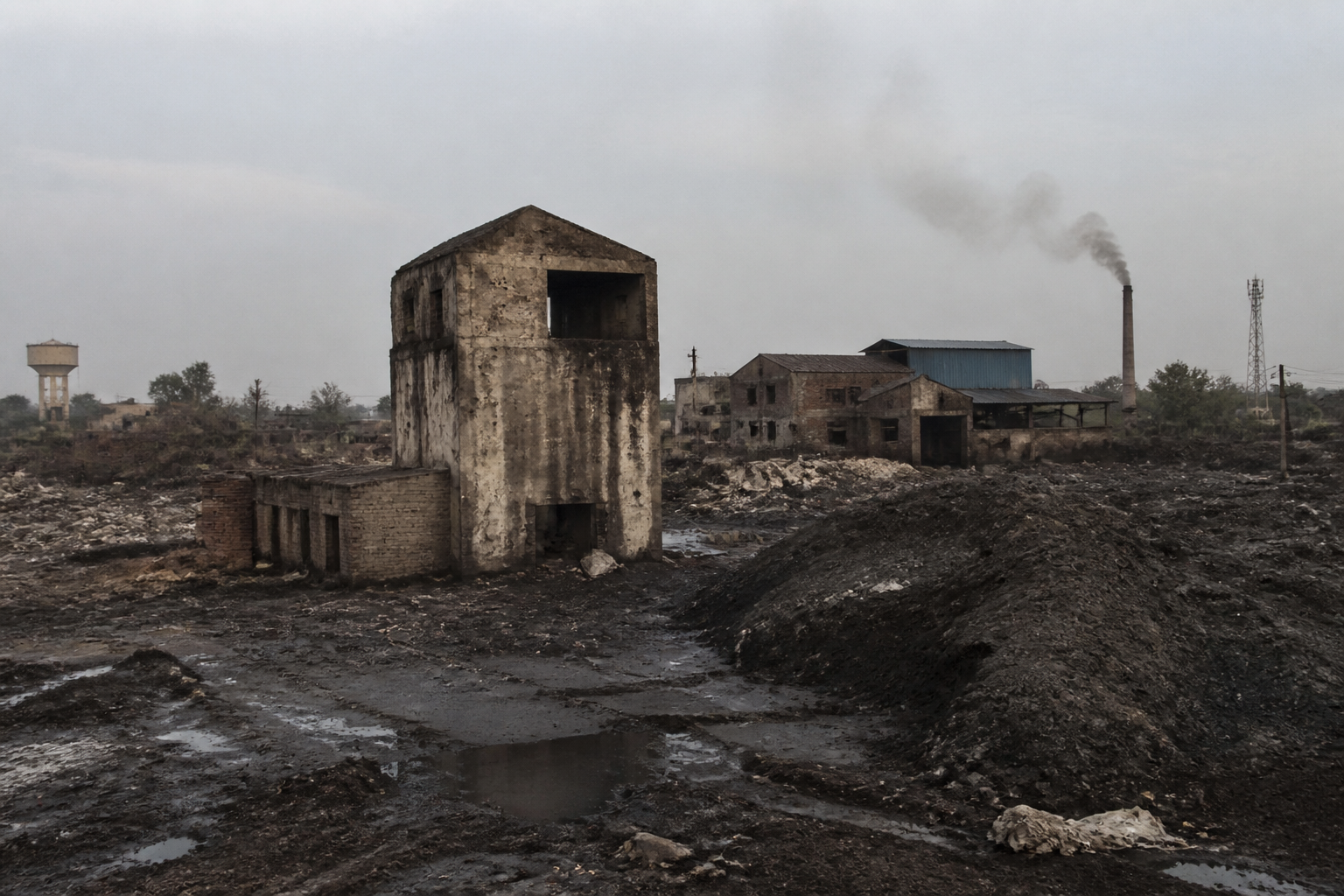
The environmental crisis in Hazaribagh, Bangladesh, serves as the definitive case study of the world’s most polluted tanneries. For over six decades, this 250-acre district in Dhaka processed roughly 90% of the country’s leather exports, supplying global fashion brands while systematically destroying the local ecosystem. The lack of a central treatment facility led to the daily release of thousands of tons of hazardous chemicals, creating a site where the environmental impact of leather production was measured in human lives and biological extinction.
Background
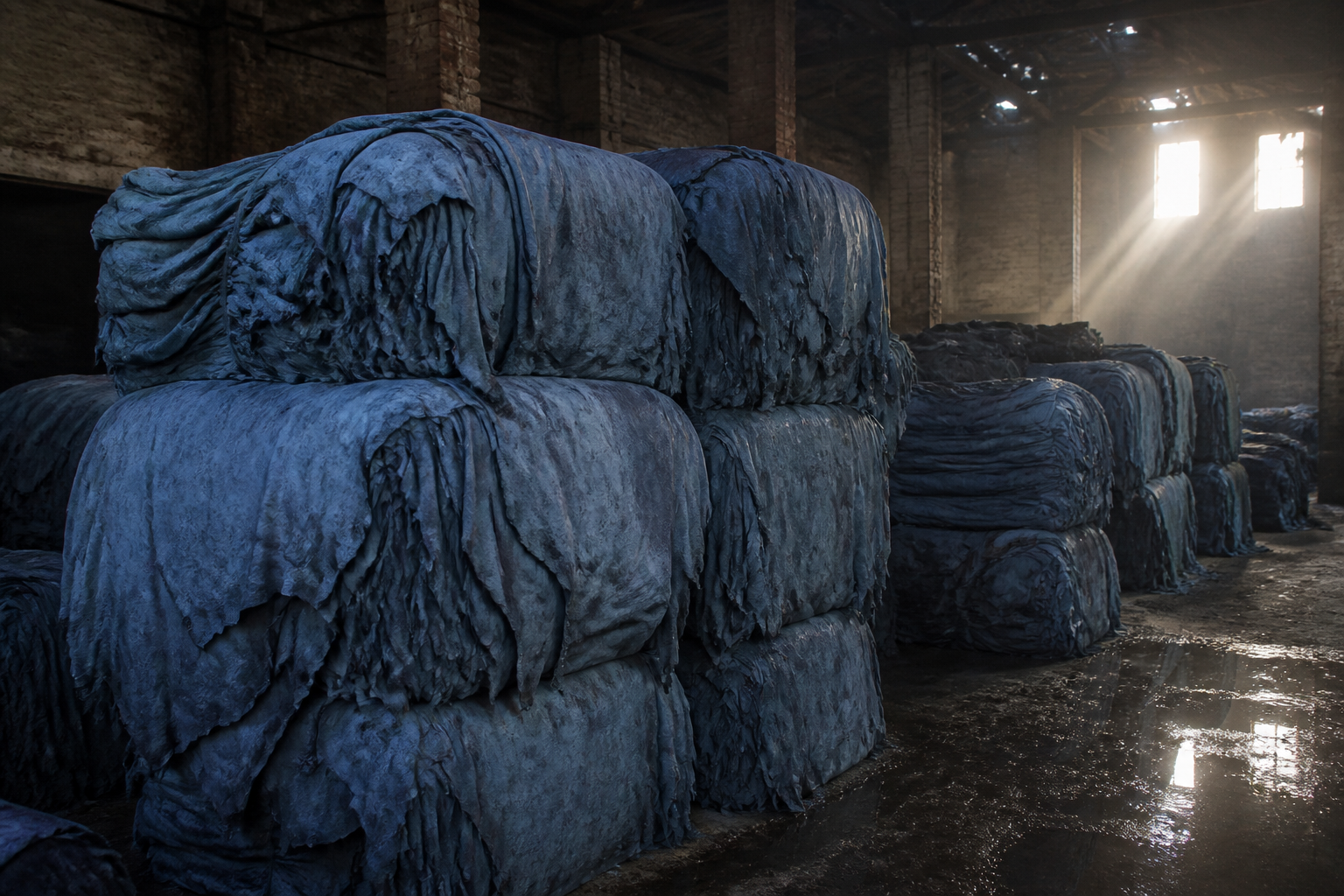
Hazaribagh was established as a tannery hub in the 1950s, but it wasn’t until the 1990s that the scale of its toxic waste management failures became a global scandal. The primary issue was the high concentration of over 200 individual tanning units in a residential area without any infrastructure for wastewater treatment. These units utilized hexavalent chromium, a highly toxic chemical, to stabilize animal skins into durable leather.
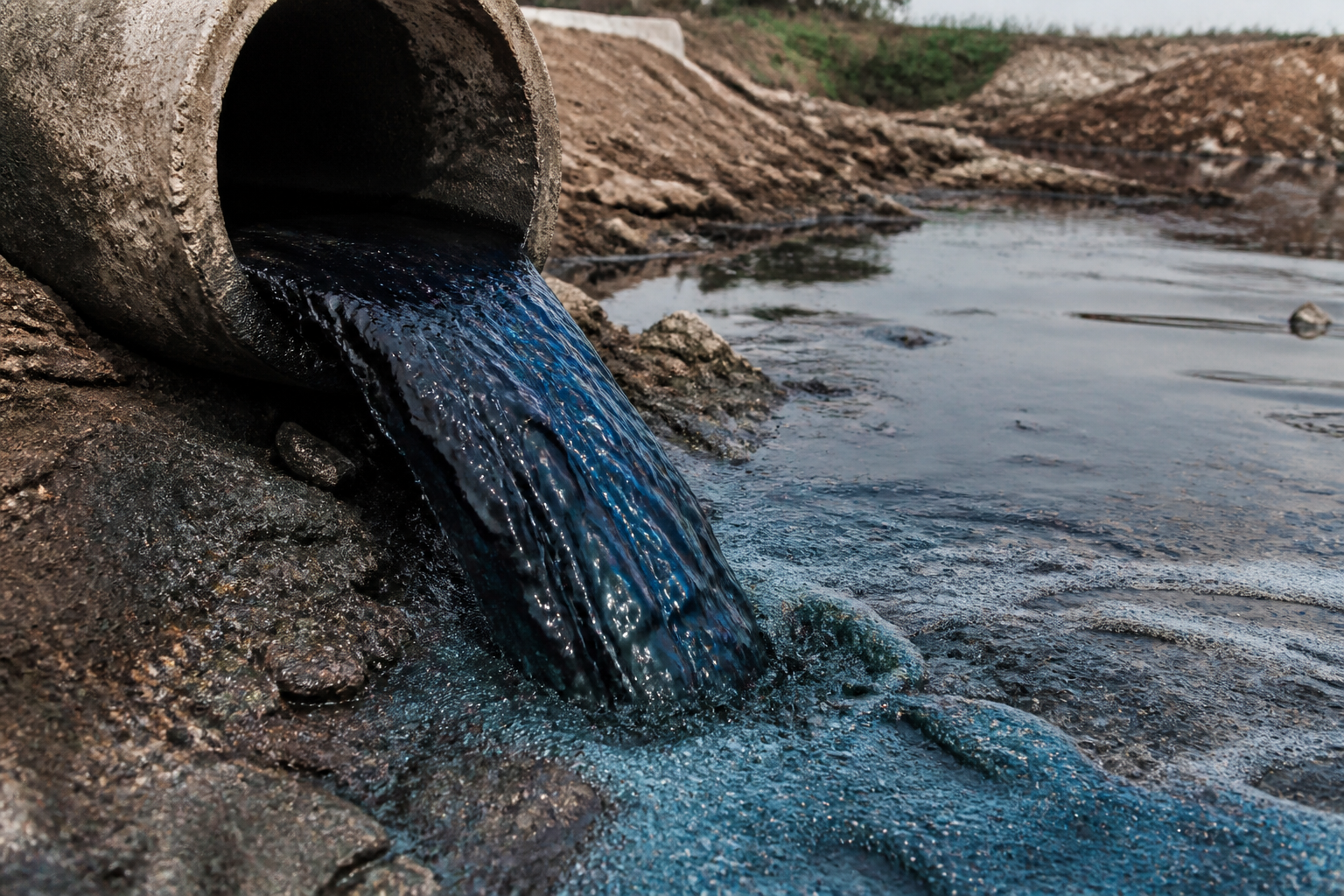
According to a report by Human Rights Watch (2012), the district was one of the most polluted places on Earth, ranking alongside Chernobyl and Norilsk in terms of health risk. The Buriganga River, which flows past Hazaribagh, became the unintended recipient of a dark, viscous slurry of animal fat, hair, and sulfuric acid. By the early 2000s, the river was declared 'biologically dead' by the Bangladesh Department of Environment, meaning oxygen levels were too low to support any form of aquatic life.
| Pollutant | Source | Impact on Ecosystem | | :--- | :--- | :--- | | Chromium (CrIII/CrVI) | Tanning process | Soil toxicity and groundwater contamination | | Sodium Sulfide | Dehairing hides | Lethal to aquatic life; releases toxic gas | | Sulfuric Acid | Pickling process | Drastic pH changes in local water bodies | | Animal Solids | Raw hide trimmings | Deoxygenation of water through decomposition |
What they did
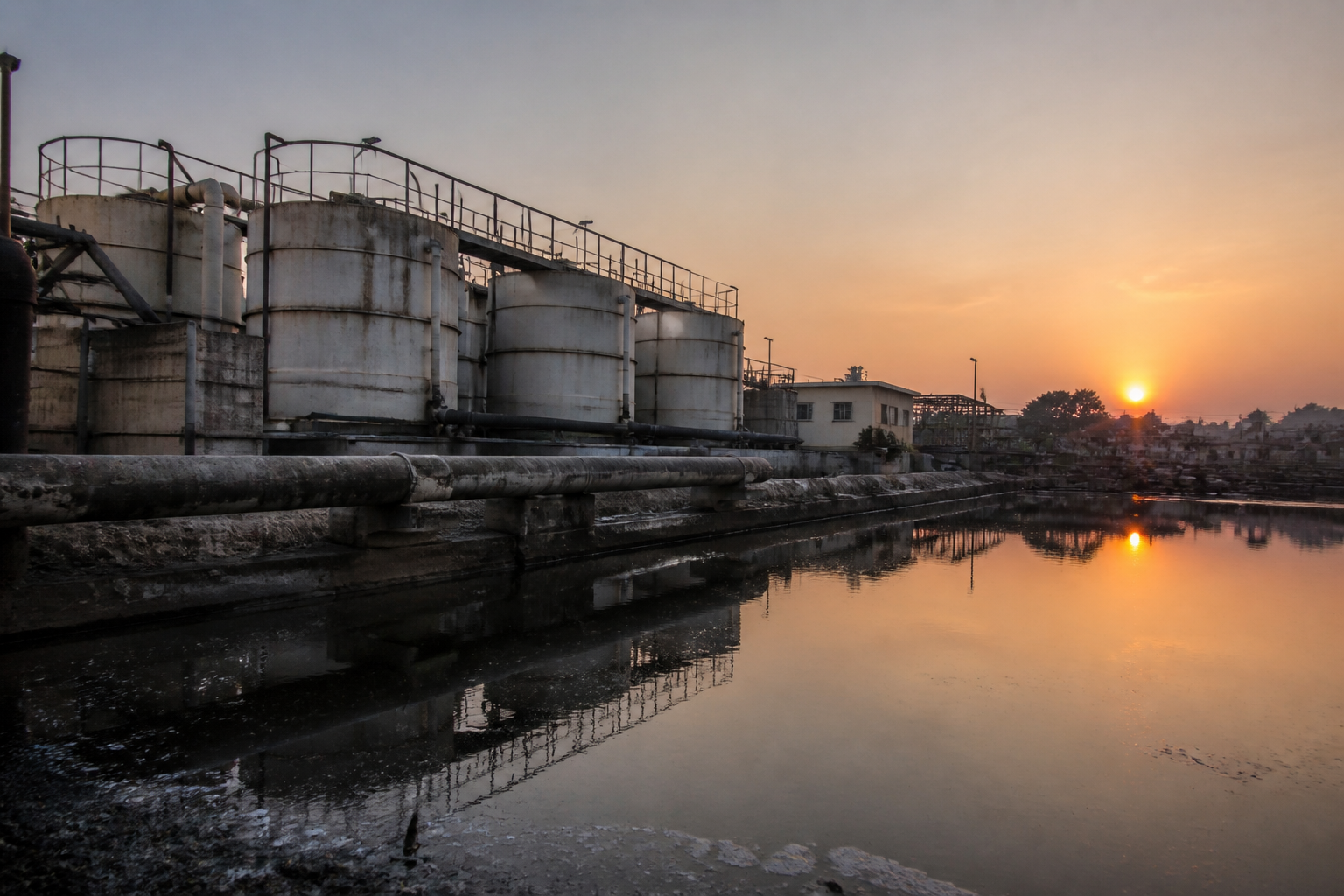
In response to mounting international pressure and a 2009 High Court ruling, the government of Bangladesh initiated a massive industrial relocation project. The goal was to move the world’s most polluted tanneries from the heart of Dhaka to a purpose-built Savar Tannery Estate, located 20 kilometers away. The project included the construction of a Central Effluent Treatment Plant (CETP), which was designed to treat all liquid waste before it reached the Dhaleshwari River.
The relocation was not immediate; it faced nearly 15 years of delays due to disputes between the government and tannery owners over compensation and infrastructure costs. During this period, the toxic waste management in the fashion industry continued unabated in Hazaribagh. It wasn’t until April 2017 that the government finally cut the power and water lines to the Hazaribagh units, forcing the transition to Savar. This move was intended to modernize the industry and implement the LWG (Leather Working Group) standards required by many high-end Western retailers.
Results
The relocation of the world’s most polluted tanneries yielded mixed results, demonstrating the difficulty of remediating decades of industrial negligence. While Hazaribagh is no longer an active tanning hub, the physical and social scars remain. A study by the University of Dhaka (2019) found that soil in Hazaribagh still contains chromium levels up to 30 times the safe limit set by the World Health Organization (WHO).
In the new Savar site, the results have been underwhelming:
- The Central Effluent Treatment Plant (CETP) has frequently malfunctioned, leading to the discharge of untreated waste into the Dhaleshwari River.
- Between 2017 and 2021, the Bangladesh Environmental Lawyers Association (BELA) reported that the new site was dumping 10,000–15,000 cubic meters of waste daily due to capacity issues.
- The health outcomes for relocated workers have not significantly improved, as many still work without adequate Personal Protective Equipment (PPE) in the new factories.
- Economic output initially dipped by 20% during the transition but has since stabilized as Bangladesh remains the world's second-largest exporter of leather goods after Vietnam.
"The relocation from Hazaribagh was a victory for the residents of Dhaka, but without a fully functioning treatment plant in Savar, we have simply moved the pollution from one river to another." — Syeda Rizwana Hasan, Executive Director of BELA.
Why it worked (or didn't)
The relocation project is widely considered a failure in terms of environmental justice. While it successfully removed the immediate source of toxins from a high-density residential area, it failed to solve the underlying problem: the industry's reliance on toxic tanning chemicals. The project focused on moving the problem rather than transforming the manufacturing process itself.
The failure of the Savar CETP highlights a common issue in developing industrial zones: the infrastructure was designed for a specific volume of waste, but the actual output of the tanneries exceeded those projections. Furthermore, the Sustainable alternatives to traditional animal leather—such as pineapple leaf fiber or lab-grown collagen—were not integrated into the national industrial strategy, leaving the country tethered to a polluting, resource-heavy model.
1. Lack of Oversight: Corruption and weak enforcement allowed tannery owners to bypass environmental regulations even in the new estate. 2. Infrastructure Mismatch: The CETP was technically inadequate for the complex chemical cocktail produced by chrome tanning. 3. Legacy Contamination: No plan was put in place to clean up the existing heavy metals in Hazaribagh's soil, leaving millions at risk from 'dust-borne' toxins.
Lessons for others
The story of the world’s most polluted tanneries offers a stark warning for other developing nations expanding their industrial footprints. First, industrial relocation must be accompanied by comprehensive bioremediation of the abandoned site. Simply moving a factory does not remove the toxic legacy left in the ground. Second, the environmental impact of leather production cannot be managed by 'end-of-pipe' solutions alone; it requires a shift toward green chemistry and circular materials.
For global brands, the lesson is one of supply chain transparency. The leather processed in Hazaribagh and Savar often enters global markets through complex intermediary networks, making it difficult for consumers to know if their shoes or handbags contributed to the destruction of the Buriganga River. Transitioning to sustainable alternatives to traditional animal leather is the only way to fully decouple fashion from this level of environmental degradation.
Future-Proofing the Leather Industry
To avoid repeating the Hazaribagh catastrophe, the global industry must adopt several key strategies:
- Transition to Chrome-Free Tanning: Using vegetable tannins or synthetic polymers to eliminate hexavalent chromium risk.
- Investment in Circularity: Utilizing tannery sludge for brick-making or energy production rather than landfilling.
- Mandatory PPE and Health Monitoring: Ensuring that the workers—who are the primary victims of how does chromium pollution affect human health—are protected by international labor standards.
- Transparency via Blockchain: Tracking every hide from the slaughterhouse to the retail shelf to ensure environmental compliance at every stage.
In conclusion, Hazaribagh remains a monument to the hidden costs of cheap fashion. While the tanneries have moved, the lessons of their toxicity remain as relevant as ever in a world increasingly conscious of its ecological footprint.
Chemical Footprint and Global Trade Dependencies
The global leather trade relies heavily on Bangladesh for raw materials, yet the chemical footprint remains staggering. According to the World Bank (2023), the leather sector contributes significantly to the 22,000 cubic meters of untreated toxic wastewater generated daily in the region, containing concentrations of Hexavalent Chromium (CrVI) that exceed safety limits by up to 100 times. This chemical is a known human carcinogen and a primary byproduct of the chrome-tanning process used in 90% of global leather production.
* Total Dissolved Solids (TDS): Levels in the Dhaleshwari River have reached 4,500 mg/L, far exceeding the 2,100 mg/L limit set by the Bangladesh Environment Conservation Rules (1997). * Export Value: Despite environmental hurdles, the Export Promotion Bureau of Bangladesh (2023) reported leather exports reached $1.23 billion, driven by demand from the EU and China. * Sludge Production: The Savar estate generates approximately 98 tons of solid waste daily, much of which is dumped in open landfills rather than being incinerated or recycled.
Industrial dependence on these methods persists because traditional chrome tanning is 20-30% cheaper than vegetable-based or synthetic alternatives. However, the International Union of Soil Sciences (2022) warns that the bio-accumulation of these heavy metals in the food chain—specifically in local poultry and fish—poses a long-term neurological risk to the population.
Remediation Strategies for Heavy Metal Contamination
Remediating the Hazaribagh site requires advanced bioremediation and phytoextraction techniques to remove decades of accumulated toxins. According to a study by the Bangladesh Council of Scientific and Industrial Research (BCSIR) (2021), specific bacterial strains like *Bacillus cereus* have shown a 75-85% efficiency rate in reducing chromium toxicity in controlled soil samples. This process involves using biological agents to metabolize heavy metals into less harmful states, offering a more cost-effective solution than total soil excavation.
1. Phytoremediation: Planting hyperaccumulator species such as *Pteris vittata* to naturally extract arsenic and chromium from the topsoil. 2. Electrokinetic Remediation: Applying low-intensity electric currents to the soil to migrate heavy metal ions toward electrodes for collection. 3. Encapsulation: Mixing highly contaminated soil with cement-based binders to prevent the leaching of toxins into the Dhaka groundwater table.
The United Nations Industrial Development Organization (UNIDO) emphasizes that without a dedicated National Action Plan for Industrial Waste, these remediation efforts remain fragmented. Current data suggests that without intervention, the heavy metals in Hazaribagh will remain mobile and hazardous for over 150 years.
Comparative Toxicity: Hazaribagh vs. International Safety Standards
| Parameter | Hazaribagh Soil (Avg) | WHO/FAO Safety Limit | Factor Above Limit | | :--- | :--- | :--- | :--- | | Chromium (Total) | 35,000 mg/kg | 100 mg/kg | 350x | | Lead (Pb) | 480 mg/kg | 85 mg/kg | 5.6x | | Cadmium (Cd) | 12 mg/kg | 0.8 mg/kg | 15x | | Biological Oxygen Demand (BOD) | 30,000 mg/L (River) | 50 mg/L | 600x |
*Source: Compiled from University of Dhaka Environmental Chemistry Department (2021) and WHO Guidelines.*
<!-- one-fork:related-links -->
Industrial Impact Resources & Remediation Tools
- One Fork Magazine
- Free Vegan Tools
- Nutrition: protein
- Ingredient Label Scanner
- Common myths, debunked
- Ask a vegan
- How to actually start
<!-- /one-fork:related-links -->
FAQ
- What makes these the world’s most polluted tanneries?
- Hazaribagh earned this reputation because over 200 tanneries operated in a dense residential area without a Central Effluent Treatment Plant (CETP). According to Human Rights Watch (2012), this resulted in the direct discharge of mercury, arsenic, and lead into open gutters and the primary water source for millions.
- How does chromium pollution affect human health in Hazaribagh?
- Chromium pollution, specifically in its hexavalent form (CrVI), is a potent carcinogen. Workers in the world’s most polluted tanneries frequently suffer from chronic dermatitis, respiratory illnesses, and premature mortality. Studies by the Blacksmith Institute (2013) found residents faced elevated risks of kidney failure and lung cancer.
- Is the Buriganga River still contaminated?
- Yes, despite the relocation of tanneries in 2017, the riverbed remains saturated with heavy metals. The World Bank (2020) notes that the 'legacy pollution' in the sediment will take decades to remediate, and current discharge from the new Savar site often bypasses incomplete treatment facilities.
- What are the environmental impacts of leather production?
- Leather production requires immense quantities of water and toxic chemicals like sodium sulfide. The FAO (2023) estimates that processing one metric ton of raw hide produces 600 kilograms of solid waste and significant carbon emissions, contributing to both water scarcity and climate change.
- Are there sustainable alternatives to traditional animal leather?
- Sustainable alternatives include bio-based materials such as mycelium, cork, and recycled plastics. Innovations like Mirum, developed by Natural Fiber Welding, eliminate the need for tanning chemicals and plastic coatings, offering a circular solution to the fashion industry's toxicity problem.
- What is the specific health impact of Chromium-6 on tannery workers?
- According to the World Health Organization (2022), exposure to Hexavalent Chromium (CrVI) in tanneries causes 'chrome holes' (skin ulcers), chronic bronchitis, and a significantly elevated risk of lung and nasal cancers among workers who handle raw hides without PPE.
- How does the pollution from tanneries affect the local food supply?
- A 2020 study published in 'Nature Scientific Reports' found that chromium from tannery waste bio-accumulates in chicken meat and eggs. In Hazaribagh, samples showed chromium levels of 0.35 mg/kg, which exceeds the FAO safety threshold for human consumption.
- Has any global brand successfully cleaned up its Hazaribagh supply chain?
- Most global brands, including H&M and Adidas, shifted sourcing to LWG-certified suppliers outside Hazaribagh by 2017. However, Transparency International (2021) notes that 'indirect sourcing' through sub-contractors remains a high-risk area for hidden tannery pollution.
Sources
- Toxic Tanneries: The Health Repercussions of Bangladesh’s Hazaribagh Leather Industry — Human Rights Watch
- The World's Worst Pollution Problems 2013 — Pure Earth / Blacksmith Institute
- Environmental Impact of Leather Tanning — Food and Agriculture Organization (FAO)
- Status of the Relocated Tanneries in Savar — World Bank
- Bangladesh: Tanning Industry Pollution and Health — Human Rights Watch
- State of the Environment: Bangladesh 2023 — World Bank
- Assessment of heavy metal contamination in Hazaribagh — Scientific Reports - Nature
- Leather Working Group Environmental Standards — Leather Working Group
- UNIDO Leather Panel: Pollution Control in Tanning — UNIDO