One Fork
Magazine
Long-form, evidence-based journalism — a fresh feature, every day.

octopus farming ethical
Is Octopus Farming Ethical? Scientists Fight the Global Push
Discover why the debate over octopus farming ethical concerns is escalating as scientists warn against the environmental and welfare risks of cephalopod aquaculture.
September 10, 2026 · 7 min
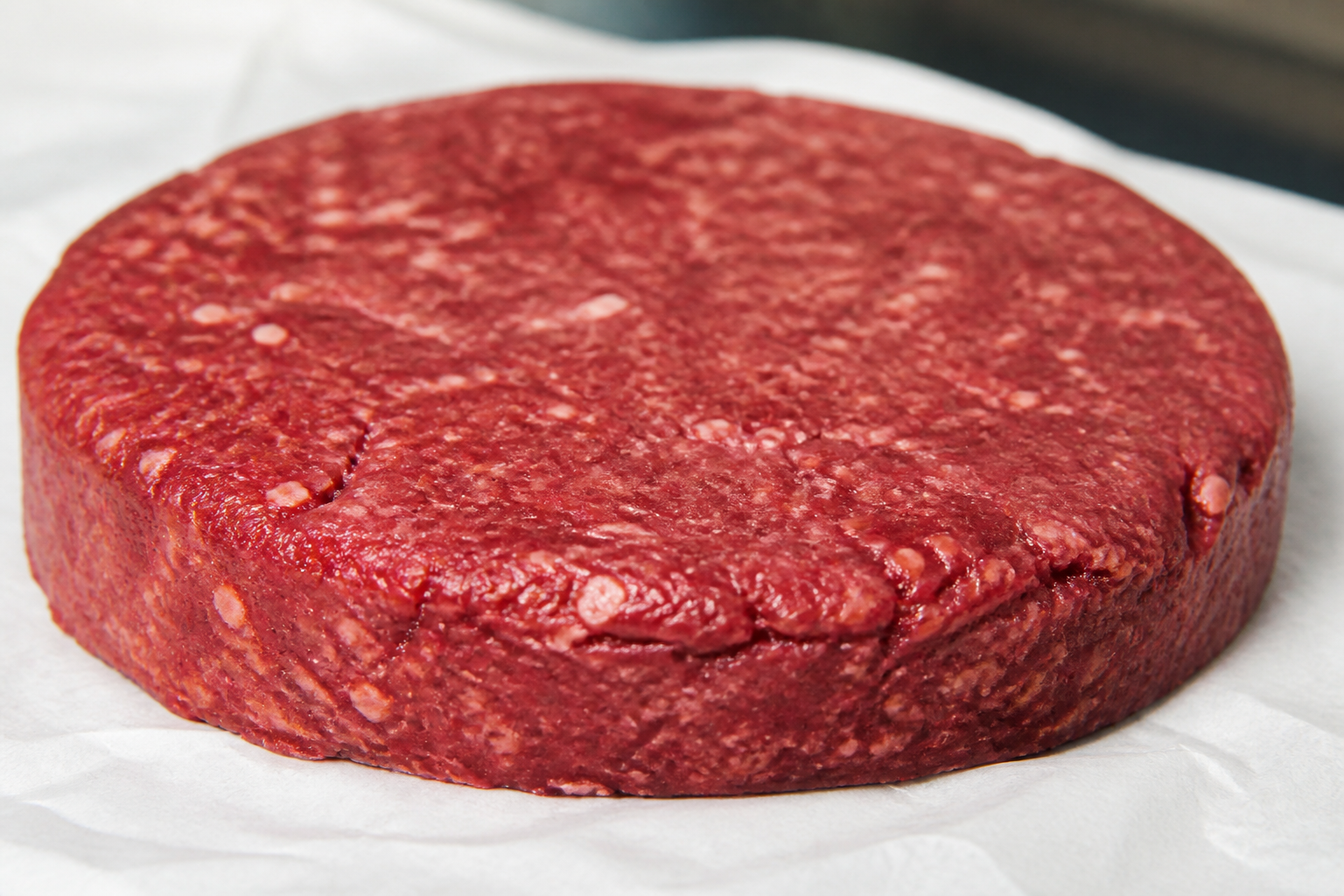
precision meat substitutes
The Rise of Precision Meat Substitutes: A Brutally Honest Look
Analyze the nutritional profile and ecological footprint of precision meat substitutes to determine if these processed alternatives truly benefit your health and the planet.
September 1, 2026 · 7 min
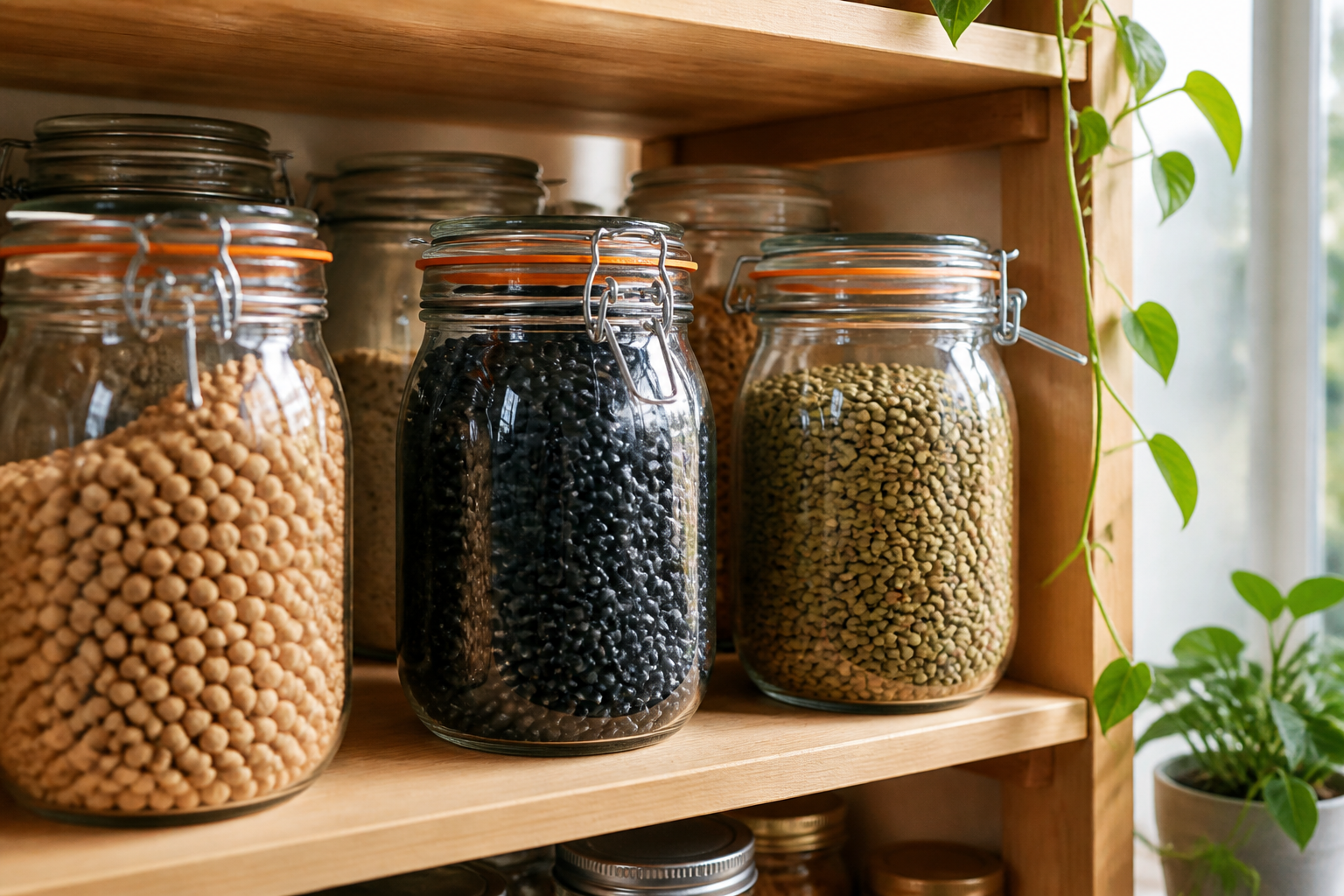
cheap plant-based eating
Cheap Plant-Based Eating: Master the $3 Dinner Strategy
Discover how cheap plant-based eating through bulk legumes and seasonal produce can slash your grocery bill while improving nutrition and sustainability.
August 23, 2026 · 7 min
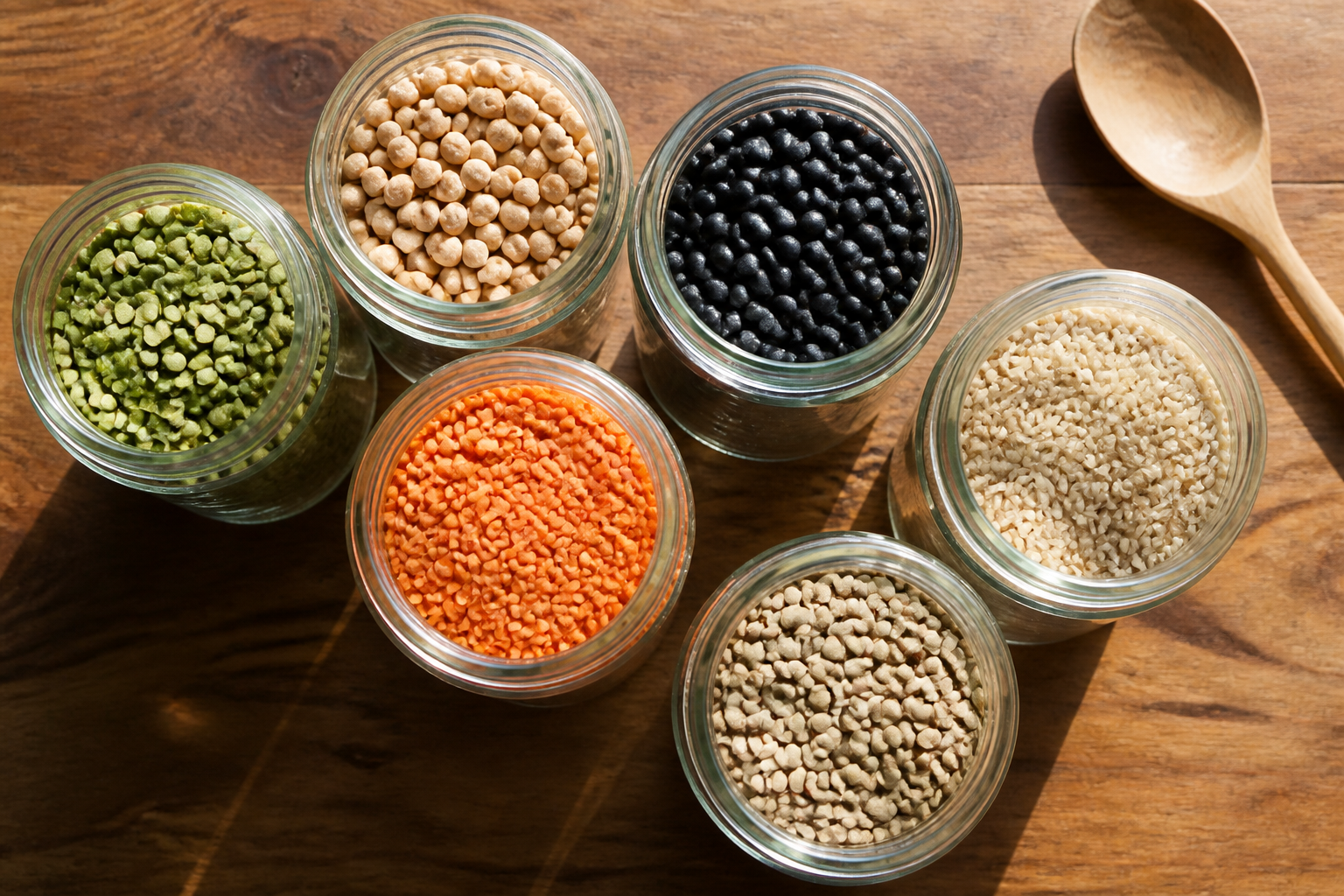
complete protein myth
A beginner's guide to the complete protein myth
Discover why the complete protein myth is outdated and learn how a varied plant-based diet provides all essential amino acids for optimal health.
August 5, 2026 · 7 min
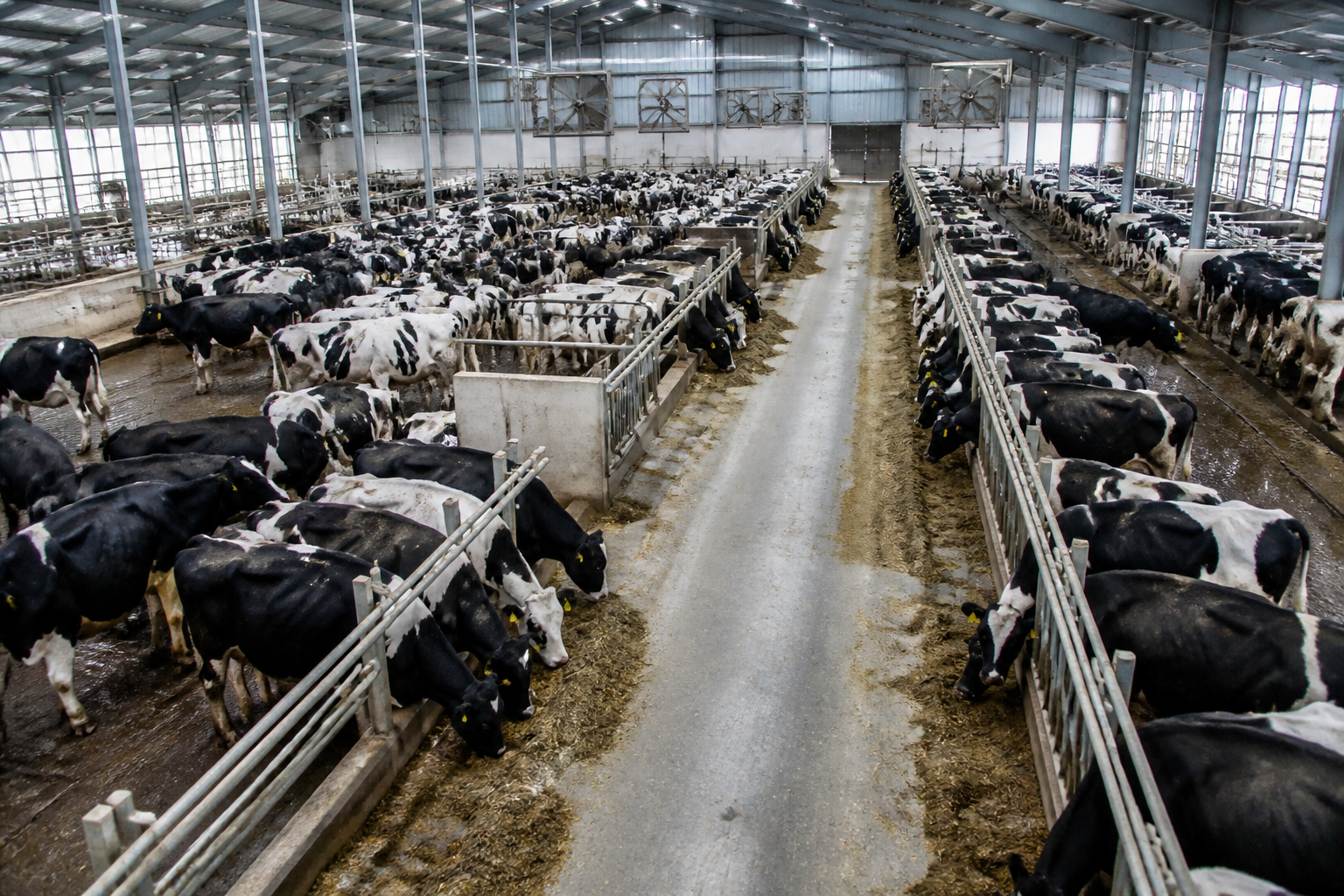
zero-grazing dairy
How to Identify the High Cost of Zero-grazing Dairy
Learn how to identify the environmental and welfare implications of zero-grazing dairy to make informed, ethical choices for your kitchen and the planet.
July 20, 2026 · 7 min
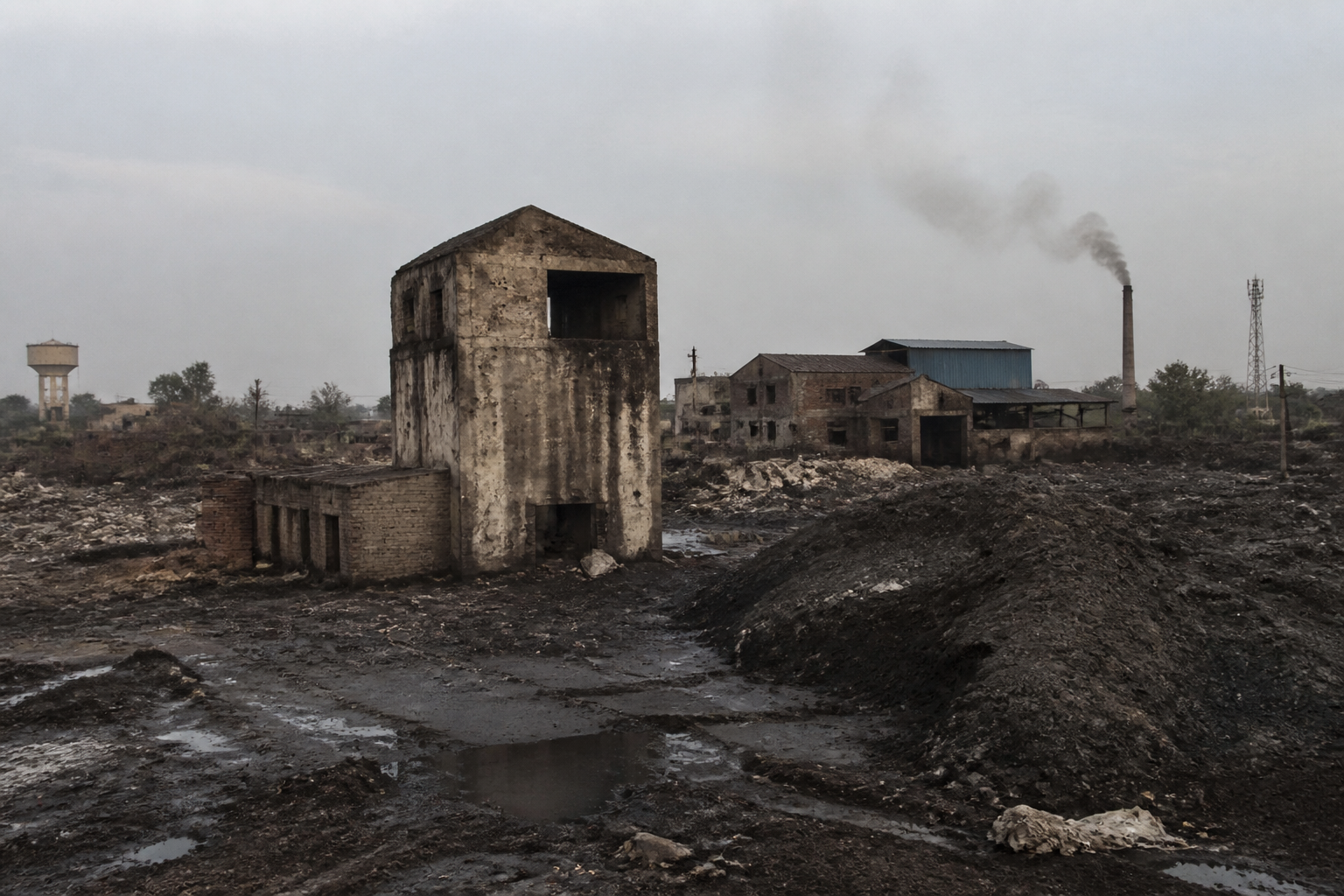
world’s most polluted tanneries
Hazaribagh Legacy: Inside the World’s Most Polluted Tanneries
An investigation into the environmental collapse of Hazaribagh reveals how the world’s most polluted tanneries devastated local ecosystems and public health.
July 12, 2026 · 7 min

the Ogallala aquifer
Mistakes to Avoid Regarding the Ogallala Aquifer and Cattle
Discover how legacy irrigation errors and the Ogallala aquifer depletion are linked to cattle feed production and what we must change to save our water.
July 4, 2026 · 7 min

endurance sports
The Long Game: Why the World’s Toughest Races Are Being Won on Plants
From the Appalachian Trail to the Olympic podium, a dietary shift is redefining the limits of human endurance.
June 26, 2026 · 7 min
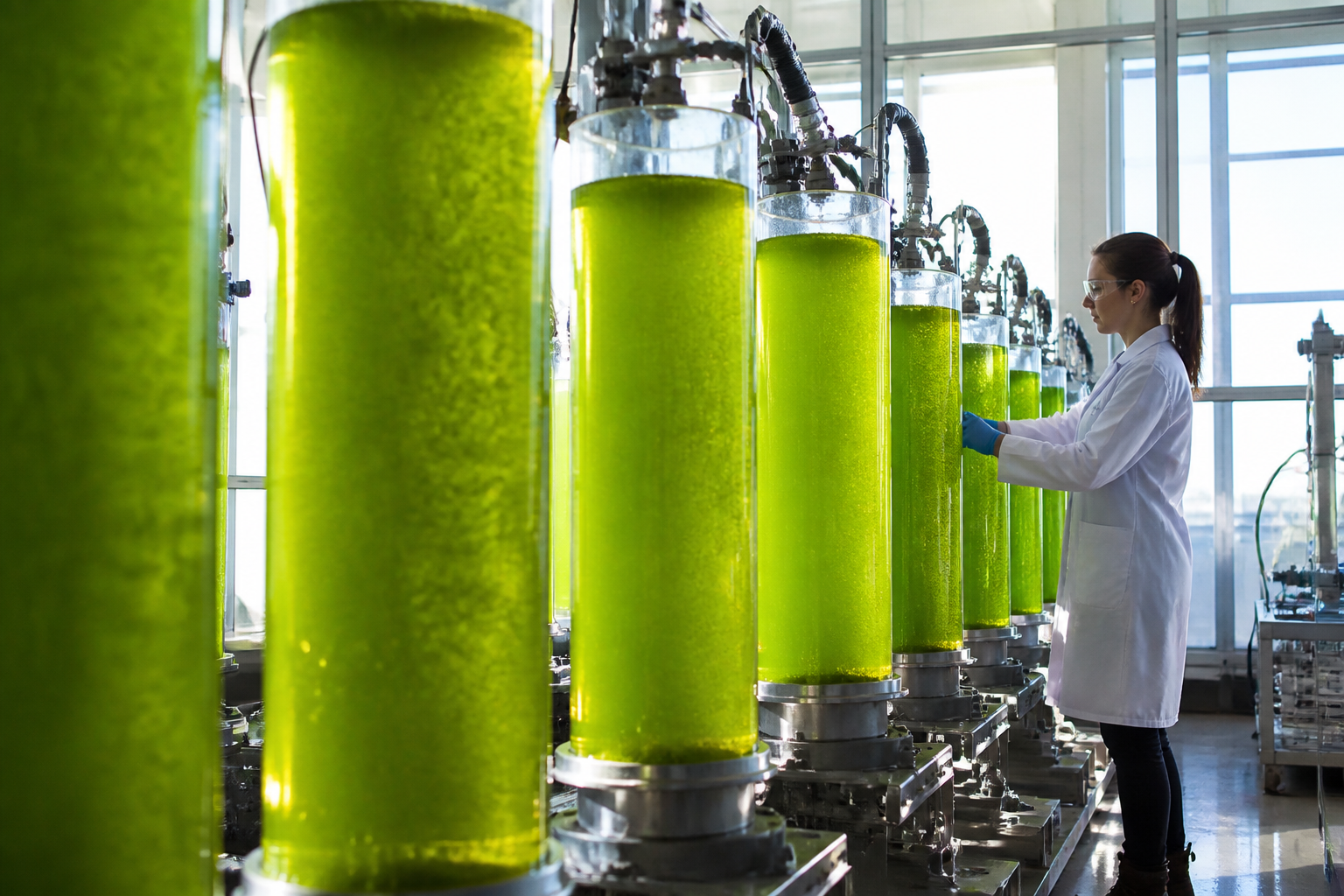
nutrition
The Source of the Source: Why Algae Oil is Quietly Outperforming Fish Oil
As global fish stocks decline and microplastic concerns rise, a microscopic marine plant is offering a purer, more sustainable route to long-chain omega-3 fatty acids.
June 25, 2026 · 7 min

nutrition
The White Revolution Reconsidered: Why the Global North is Rethinking the Cow
As shifting dietary patterns collide with climate imperatives, we examine the biology, ecology, and ethics behind our ancient relationship with milk.
June 16, 2026 · 7 min
Updated
What each article format is for
One Fork Magazine publishes a long-form feature every day, in nine languages, on food, farming, climate, health and the ethics that connect them. The brief for every piece is the same: start from evidence, cite it, and never talk down to a reader who eats differently from the writer. Most people who change their diet do it because a fact finally made sense to them, not because they were shamed into it.
The archive is organised by format as much as by topic, because different questions need different shapes. A how-to earns its place when the barrier is practical — what to buy, how to cook it, how to read a label. An explainer earns its place when the barrier is conceptual, like why methane and carbon dioxide are not interchangeable. A comparison earns its place when a reader is standing in an aisle deciding between two products. An opinion piece is labelled as one, so you always know when you are reading argument rather than reporting.
Everything here is free, ad-free and written to be useful the day you find it rather than only the day it is published. Numbers are dated, sources are linked, and pieces are revised when the underlying research moves. If you want the short version of the whole archive, the statistics reference and the glossary are the two fastest doors in.
| Format | Answers | Typical length | Read it when |
|---|---|---|---|
| Explainer | Why something works the way it does. | 1,200–2,000 words | You keep seeing a term or a claim and want the mechanism. |
| How-to | The practical steps to do a thing well. | 1,000–1,600 words | You already agree and just need the method. |
| Comparison | Which of two options is better, and on what measure. | 1,000–1,800 words | You are choosing between products or approaches. |
| List | The full set of options in one scannable place. | 1,200–2,200 words | You want breadth quickly rather than depth on one item. |
| Review | Whether a specific product or book is worth your money. | 900–1,500 words | You are about to buy something and want an honest read. |
| Opinion | An argued position, clearly labelled as argument. | 900–1,600 words | You want the case made rather than the evidence summarised. |
Keep going
The threads that run through the archive
New pieces are commissioned against these recurring themes, so the archive builds into something coherent rather than a pile of unrelated posts.
- Nutrition science — protein, iron, B12, omega-3, calcium and what the evidence actually supports.
- Climate and land — emissions per kilo, land use, water, deforestation and dietary scenarios.
- Animal welfare — how farming systems work and what welfare labels do and do not cover.
- Everyday cooking — swaps, techniques and recipes that survive a weeknight.
- Money — the real cost of a plant-based shop and where it is cheaper than the alternative.
- Culture and history — the world cuisines that were largely plant-based long before the word existed.
- Policy — subsidies, labelling law, school and hospital procurement.
- Health over a lifetime — pregnancy, childhood, sport and older age.
How to get the most out of the magazine
- 1
Start with the format you need
If you are stuck on a practical problem, read a how-to. If you are stuck on a belief, read an explainer. Matching the format to the blockage saves hours.
- 2
Follow one citation
Every factual claim links its source. Opening one primary study per article is the fastest way to build your own confidence in the material.
- 3
Read in your own language
The archive is published in nine languages, and each localisation is edited to read natively rather than translated word for word.
- 4
Use the glossary as you go
Unfamiliar terms — GWP100, isoflavone, mechanically separated meat — each have a plain-language entry with the science behind them.
- 5
Turn a piece into an action
Most articles end with something concrete. Do that one thing before you read the next piece; comprehension without action fades within a week.
- 6
Subscribe if it is useful
One email, no advertising, and an unsubscribe link that works on the first click.
Sources: Poore & Nemecek (Science, 2018), FAO, USDA FoodData Central, Mekonnen & Hoekstra (2011).
About the magazine
How often do you publish?
Who writes the articles?
Are the translations machine output?
Do you take sponsorship or affiliate money?
Can I republish an article?
How do I report an error?
Editorial standards
Claims are grounded in peer-reviewed literature and official data — including Poore & Nemecek (2018), the IPCC and FAO assessments, EAT-Lancet, EFSA opinions and national dietary guidelines — with links to the original in the body of each article. Opinion is labelled as opinion. Figures carry the year they refer to. Where evidence is genuinely contested, the article says so instead of picking the more convenient side.