octopus farming ethical
Is Octopus Farming Ethical? Scientists Fight the Global Push
Discover why the debate over octopus farming ethical concerns is escalating as scientists warn against the environmental and welfare risks of cephalopod aquaculture.
Published September 10, 2026 · 6 min read
Image: AI-generated illustration · One Fork
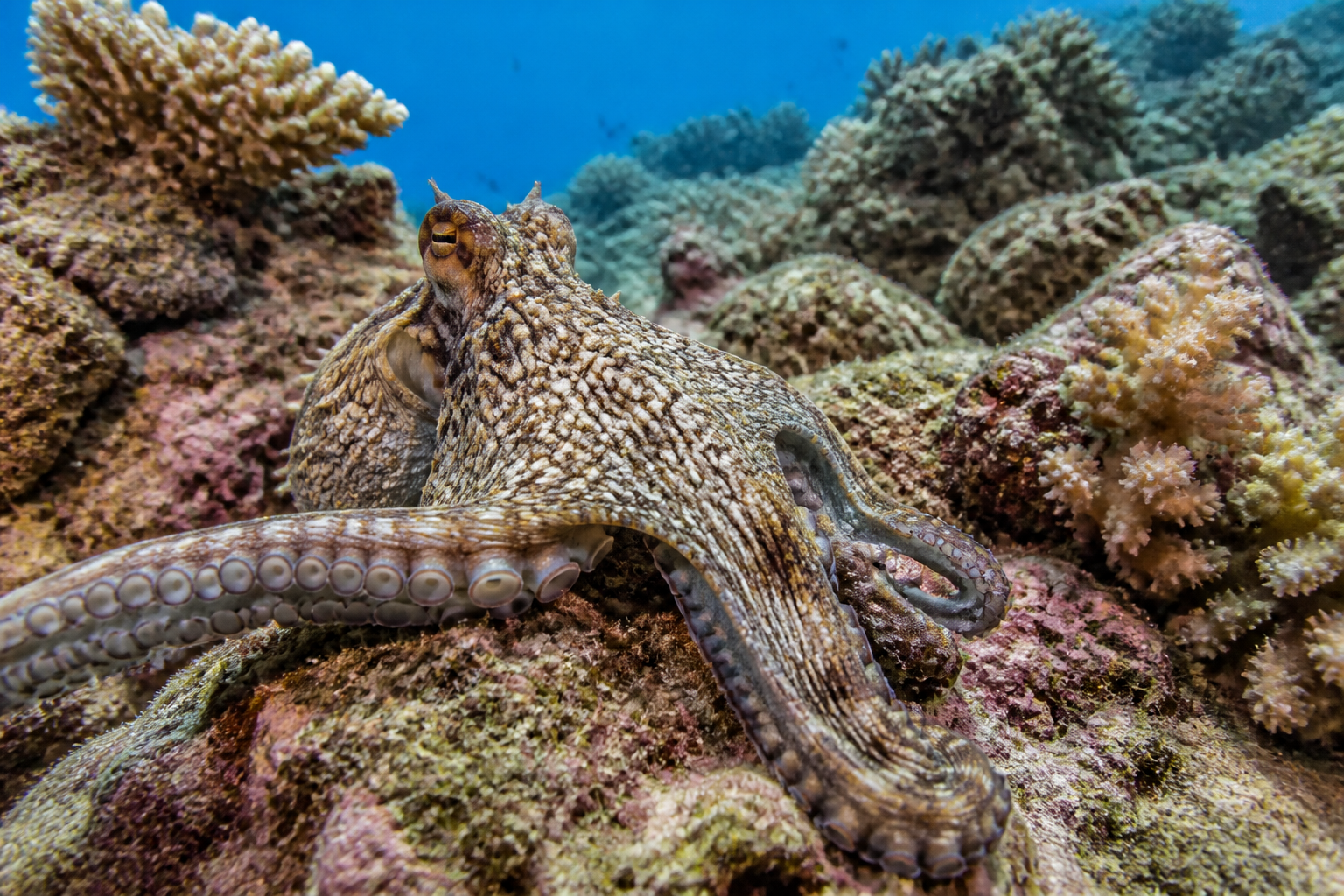
Octopus farming is currently considered unethical by a broad consensus of marine biologists and environmentalists due to the complex cognitive needs of these solitary, intelligent animals. While companies like Nueva Pescanova aim to commercialize the practice, critics argue it will lead to high mortality rates and significant ecological damage.
The question of whether octopus farming ethical standards can be established is currently met with a resounding 'no' from the global scientific community. Because octopuses are highly intelligent, solitary carnivores, they are fundamentally ill-suited for the high-density life of industrial aquaculture. While commercial interests argue that farming provides a solution to declining wild stocks, biologists warn that the environmental and welfare costs of octopus farming ethical lapses are too great to justify, leading to a worldwide movement to ban the practice before the first industrial facility opens its doors.
Why are scientists so concerned about the welfare of farmed octopuses?
Scientists are concerned because octopuses possess a level of biological complexity and cognitive intelligence that makes them uniquely vulnerable to the stresses of confinement. Unlike salmon or tilapia, octopuses are solitary animals that do not school; when placed in close proximity in tanks, they often exhibit extreme aggression and cannibalism.
A landmark study led by Jennifer Jacquet (2019) at New York University argued that the mental health of these animals would collapse in a farm setting. Octopuses require high levels of environmental enrichment to satisfy their curiosity and problem-solving instincts. In the absence of a complex habitat, they have been observed to perform 'autophagy'—literally eating their own arms—due to stress and boredom. The octopus farming ethical dilemma is rooted in the fact that we are attempting to domesticate a wild predator that has never evolved to live in groups.
What is the current status of the world's first industrial octopus farm?
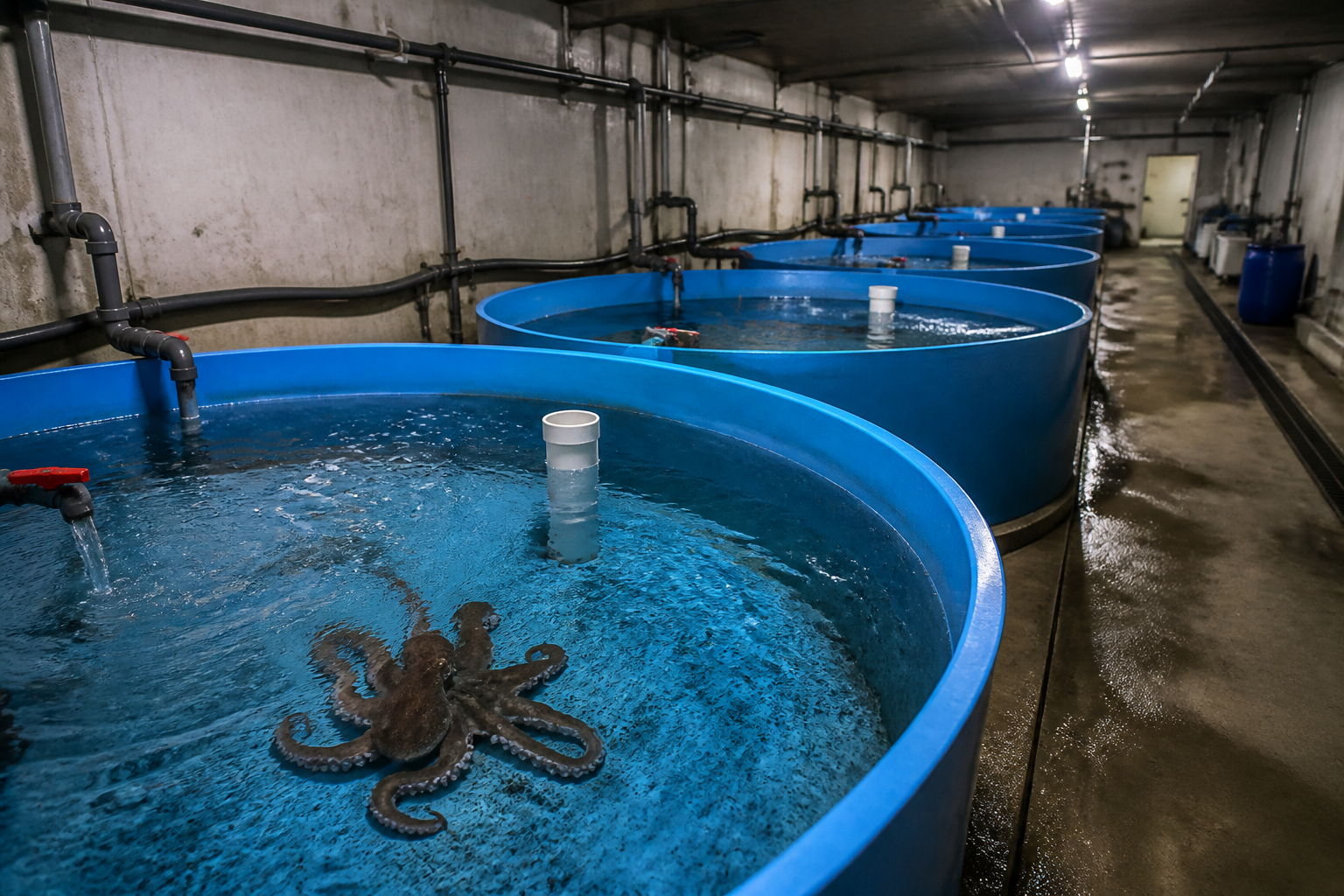
The world's first industrial octopus farm is currently proposed by the Spanish seafood giant Nueva Pescanova in the port of Las Palmas, Gran Canaria. The company plans to produce roughly 3,000 tonnes of octopus meat annually, which would involve the slaughter of approximately one million octopuses per year.
| Feature | Project Details (Nueva Pescanova) | | :--- | :--- | | Location | Las Palmas, Gran Canaria, Spain | | Estimated Output | 3,000 tonnes per year | | Estimated Population | ~1 million octopuses | | Method of Slaughter | Ice slurry (sub-zero water) | | Investment | Approximately €65 million |
Critics, including the Eurogroup for Animals, have pointed out that the proposed slaughter method—submerging the animals in an ice slurry—is considered inhumane for cephalopods. The World Organisation for Animal Health (WOAH) has noted that ice slurries cause a slow, painful death for species that remain conscious during the cooling process. This specific facility has become the flashpoint for the octopus farming ethical debate, sparking protests from environmental groups across Europe.
How does octopus farming affect global food security and the environment?
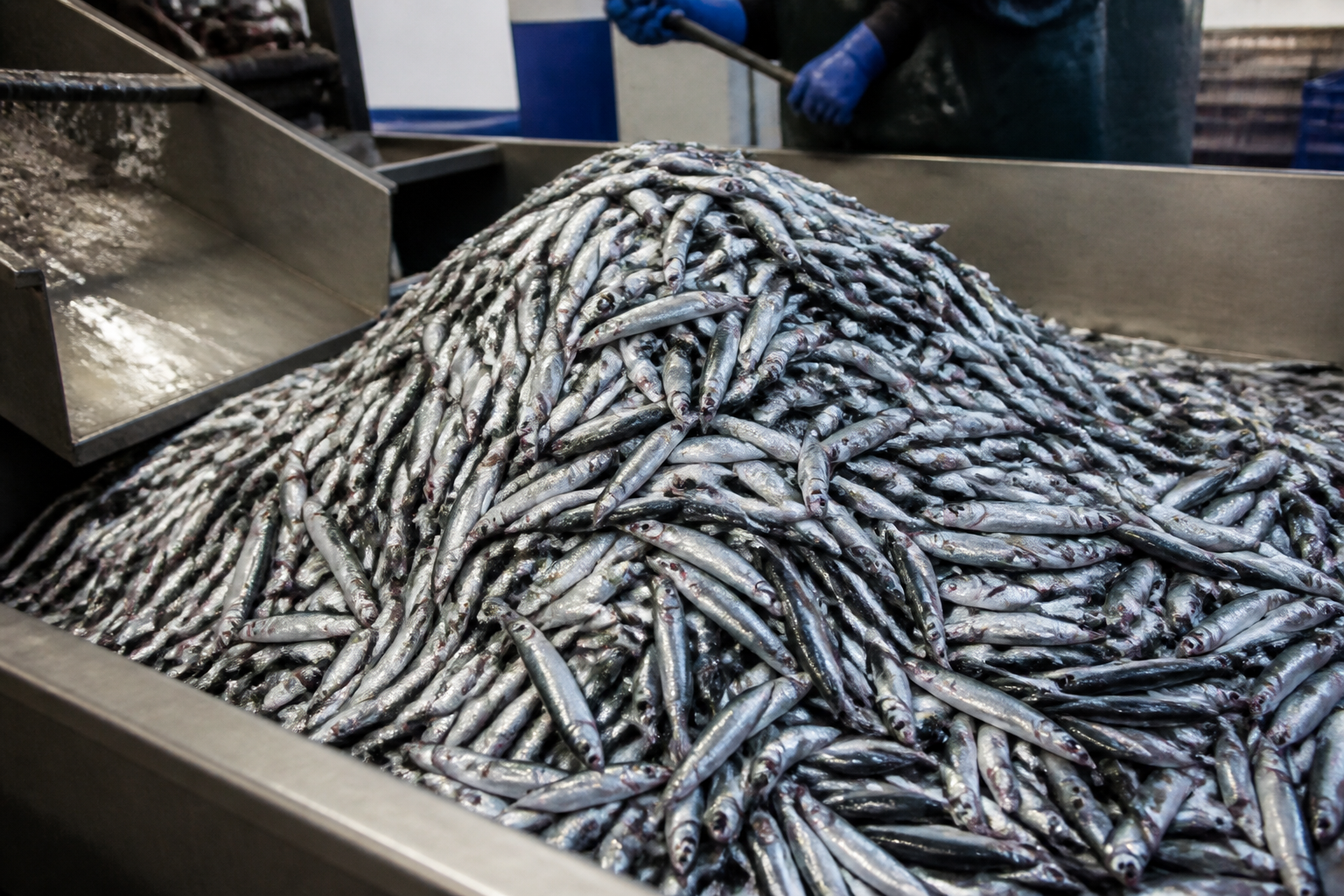
Octopus farming negatively impacts global food security because it is an inherently inefficient way to produce protein. As obligate carnivores, octopuses require a diet of high-quality fish oil and fishmeal. According to research published by Compassion in World Farming (2021), the feed conversion ratio for octopuses is roughly 3:1, meaning it takes three pounds of wild-caught fish to produce just one pound of octopus.
This leads to several environmental impact concerns: 1. Overfishing: Increasing the demand for 'forage fish' (like sardines and anchovies) to feed farmed octopuses depletes the base of the marine food web. 2. Nutrient Pollution: Intensive farms generate massive amounts of waste, including nitrogen and phosphorus, which can lead to eutrophication and toxic algal blooms in surrounding waters. 3. Escape Risks: The potential for farmed octopuses—which are master escape artists—to enter the wild could introduce diseases or disrupt local genetics.
"We can see no reason why, in the 21st century, a sophisticated, civilized society should start to farm an animal that is so clearly sentient, intelligent, and solitary." — Dr. Elena Lara, Marine Biologist at Compassion in World Farming.
Can octopuses be farmed sustainably using new technology?
The prospect of whether octopuses can be farmed sustainably remains highly skeptical among researchers. While proponents suggest that using fish processing by-products for feed could reduce the pressure on wild stocks, the sheer scale of the proposed farms makes this unlikely to be sufficient. Furthermore, no technology currently exists that can replicate the vast, three-dimensional hunting grounds an octopus occupies in the wild.
Some advocates of the industry point to Recirculating Aquaculture Systems (RAS) as a way to control effluent, but these systems do not address the behavioral needs of the animals. The octopus farming ethical argument persists because sustainability isn't just about nitrogen output; it is about the long-term viability of an ecosystem and the moral cost of intensive production.
What are the legal protections for cephalopods in aquaculture?
Legal protections for cephalopods are currently inconsistent but rapidly evolving. For decades, octopuses were excluded from animal welfare laws because they are invertebrates. However, new scientific evidence of their sentience is changing the legislative landscape.
- United Kingdom: The Animal Welfare (Sentience) Act 2022 officially recognizes octopuses as sentient beings.
- United States: In 2024, the state of Washington became the first to ban octopus farming, citing environmental and welfare risks.
- European Union: While the EU has strict rules for vertebrate farming, the Strategic Guidelines for Aquaculture are currently being pressured by scientists to include a ban on cephalopod farms.
These laws are the result of years of advocacy by the Better Seafood Board and marine scientists who argue that the welfare risks of intensive cephalopod farming are too high to be managed by standard regulatory frameworks.
What are the alternatives to farming wild octopuses?
As the global octopus market grows, reaching a projected value of over $2.7 billion by 2028, the industry is looking for ways to meet demand without the octopus farming ethical fallout. Several alternatives are currently being explored by food tech startups and conservationists:
1. Plant-based Cephalopod Analogues: Companies like Revo Foods are working on 3D-printed seafood that mimics the texture and flavor of octopus. 2. Cell-based (Lab-grown) Octopus: Startups are attempting to cultivate octopus cells in bioreactors, which would provide real octopus protein without the need to raise or slaughter a sentient animal. 3. Sustainable Fishery Management: Improving the management of wild octopus fisheries through the Marine Stewardship Council (MSC) certification process to prevent over-exploitation.
These alternatives aim to decouple the culinary demand for octopus from the ethical nightmare of industrial confinement. By focusing on cellular agriculture and plant-based innovation, the food system can respect the unique nature of these 'aliens of the deep' while still providing for consumers.

Summary of the Scientific Consensus
The scientific consensus is clear: the octopus farming ethical cost is insurmountable with current or foreseeable technology. The combination of high cognitive function, carnivorous dietary needs, and a solitary nature makes these animals the 'worst possible candidates' for industrial farming. As governments move to formalize their recognition of cephalopod sentience, the pressure on companies like Nueva Pescanova will only intensify. Protecting octopuses from the factory farm model is not just a matter of animal rights; it is a necessary step in preserving the integrity of our oceans and the ethics of our global food supply.
Why is the Octopus Sentience Report by the LSE crucial for current policy?
The 2021 London School of Economics (LSE) sentience report concluded there is 'strong scientific evidence' that cephalopod mollusks are sentient, meaning they experience pain, pleasure, and distress. This findings-led review of over 300 scientific studies directly influenced the UK's Animal Welfare (Sentience) Act 2022, providing a legal foundation to argue that intensive confinement is inherently cruel.
Key findings from the LSE report and subsequent 2023-2024 policy briefs include: * Nociception vs. Pain: Octopuses possess complex central nervous systems that process pain emotionally, not just as a reflex. * Cognitive Mapping: Their ability to navigate mazes and use tools suggests a high level of self-awareness incompatible with barren tanks. * Slaughter Standards: The report highlights that no 'humane' method for mass slaughter of cephalopods currently meets international welfare benchmarks.
According to Dr. Jonathan Birch (2021), the lead investigator, farming octopuses would be incompatible with the welfare requirements now recognized under law. This shift in legal status creates a significant hurdle for companies like Nueva Pescanova, as it moves the debate from a matter of opinion to a matter of documented biological capacity for suffering.
<!-- one-fork:related-links -->
Policy Resources and Scientific Reviews
- One Fork Magazine
- Free Vegan Tools
- Nutrition: protein
- Ingredient Label Scanner
- Common myths, debunked
- Ask a vegan
- How to actually start
<!-- /one-fork:related-links -->
FAQ
- Why is octopus farming ethical an issue for marine biologists?
- It is an issue because octopuses are solitary, curious, and cognitively complex animals that suffer in high-density environments. Research published in 'Animal Sentience' (2019) highlights that confinement leads to aggression and stereotypic behaviors, making humane intensive farming virtually impossible according to existing welfare standards.
- Which company is leading the push for octopus aquaculture?
- The Spanish multinational Nueva Pescanova is the primary entity attempting to open the world's first industrial octopus farm. Located in the Canary Islands, the facility intends to raise Octopus vulgaris in tanks, aiming to address the high global demand for cephalopod meat despite international protests.
- What is the environmental impact of octopus aquaculture on wild fish?
- The environmental impact is significant because octopuses are carnivorous. According to the Compassion in World Farming (CIWF) report (2021), it takes roughly 3kg of wild-caught fish to produce 1kg of octopus meat, which exacerbates overfishing and threatens marine food webs.
- Are there laws against octopus farming?
- Currently, few specific laws exist, but the U.S. state of Washington passed a first-of-its-kind ban on octopus farming in 2024. This legislation sets a precedent for other regions to prohibit the practice based on animal welfare and environmental concerns.
- Can octopuses feel pain and suffering?
- Yes, a 2021 review by the London School of Economics, commissioned by the UK government, found strong evidence of sentience in cephalopods. This includes the ability to experience pain, distress, and fear, which underpins the octopus farming ethical debate.
- What is the status of the Ban Octopus Farming Act in the U.S.?
- Introduced in 2024, the bipartisan **Ban Octopus Farming Act** aims to prohibit commercial octopus aquaculture in U.S. waters and ban the import of farmed octopus meat. According to the **Animal Welfare Institute**, this federal bill follows state-level bans in Washington and California, reflecting a growing legislative consensus against the practice.
- How does octopus farming impact the 'Feed-Fish' crisis?
- Octopus farming exacerbates the global 'feed-fish' crisis by diverting edible wild fish to aquaculture. According to a **2023 report by Compassion in World Farming**, roughly 20-25% of all wild-caught fish are already processed into fishmeal; adding a carnivorous species like octopus would further threaten the food security of coastal communities in the Global South.
- Which states have banned octopus farming as of 2024?
- As of late 2024, **Washington** and **California** have officially signed bans on octopus farming into law. Hawaii has also seen significant legislative movement to protect cephalopods, driven by environmental concerns and the closure of the Kanaloa Octopus Farm in 2023 following regulatory scrutiny.
- What is the 'ice slurry' slaughter method and why is it controversial?
- The ice slurry method involves submerging octopuses in sub-zero water to induce death through chilling. However, the **EFSA (European Food Safety Authority)** has noted that for cephalopods, this method is inhumane as it results in a slow death while the animal remains conscious and capable of feeling intense pain.
- How much wild fish is needed to produce one kilogram of farmed octopus?
- According to the **University of Miami (2019)**, octopuses have a high feed-conversion ratio, requiring approximately three kilograms of wild fish to produce one kilogram of octopus meat. This 3:1 ratio makes the industry a 'net protein loser,' consuming more calories than it provides for human consumption.
- Are there any humane certifications for farmed octopus?
- Currently, there are no internationally recognized 'humane' or 'sustainable' certifications for octopus farming. Organizations like **Friend of the Sea** have faced intense criticism from the scientific community for attempting to certify these facilities, as experts argue the solitary nature of octopuses makes welfare-compliant farming impossible.
Sources
- The Case Against Octopus Farming — Issues in Science and Technology (Jacquet et al., 2019)
- Review of the Evidence of Sentience in Cephalopod Molluscs and Decapod Crustaceans — London School of Economics (2021)
- Octopus Factory Farming: A Recipe for Disaster — Compassion in World Farming (2021)
- Washington State Legislature: HB 1153 - Concerning octopus farming — Washington State Legislature (2024)
- Review of the Evidence of Sentience in Cephalopod Molluscs and Decapod Crustaceans — London School of Economics
- Octopus Farming: A Recipe for Disaster — Compassion in World Farming
- The Case Against Octopus Farming — Issues in Science and Technology