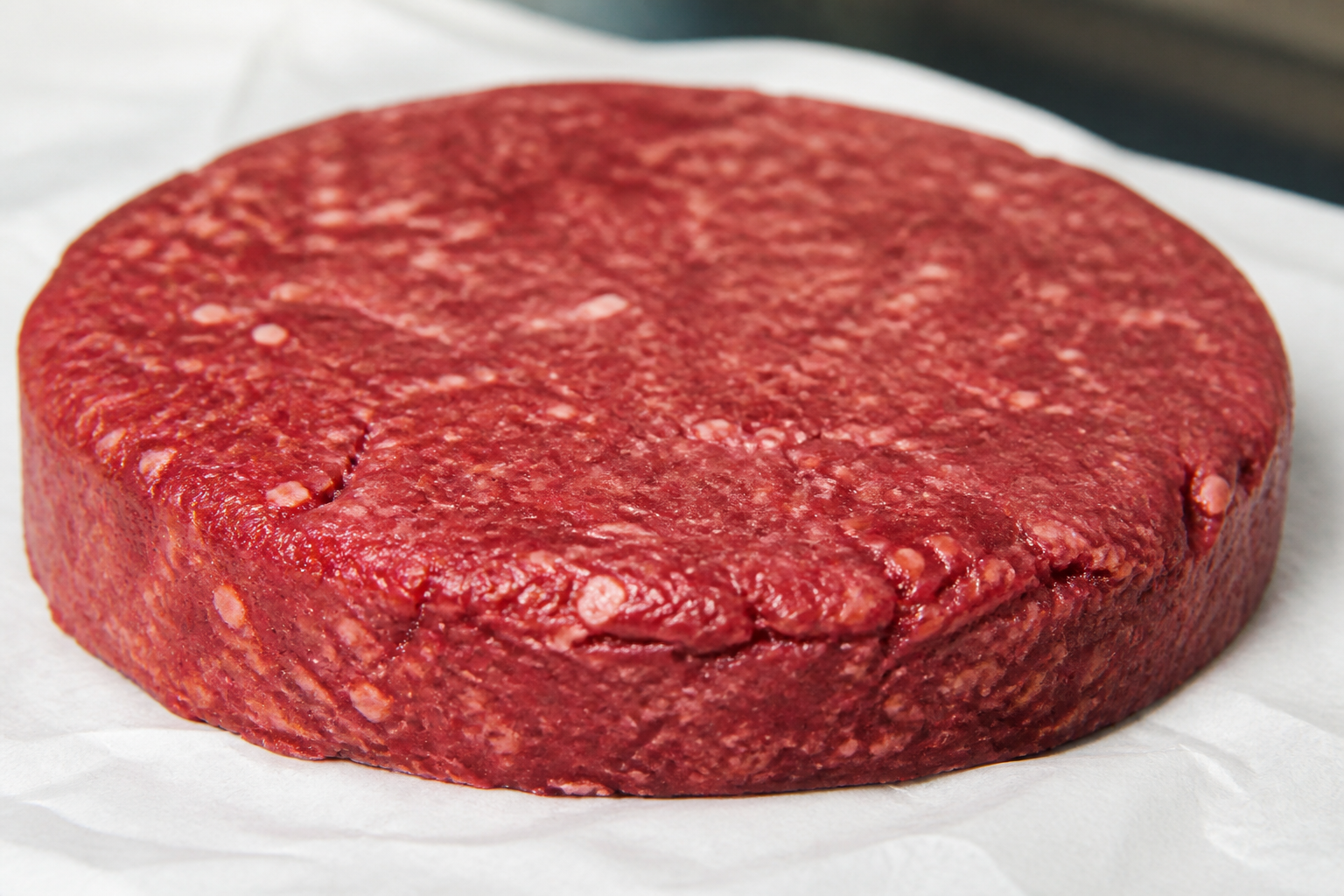
precision meat substitutes
The Rise of Precision Meat Substitutes: A Brutally Honest Look
Analyze the nutritional profile and ecological footprint of precision meat substitutes to determine if these processed alternatives truly benefit your health and the planet.
Published September 1, 2026 · 7 min read
Image: AI-generated illustration · One Fork
Precision meat substitutes are redefining the global food system by mimicking the sensory experience of animal flesh through advanced plant-based engineering. While these products significantly reduce greenhouse gas emissions compared to beef, their nutritional impact requires a nuanced understanding of processing, sodium levels, and bioavailability.
The rapid rise of precision meat substitutes represents a fundamental shift in how the global population views protein consumption, moving from traditional whole-food replacements like tofu to technologically engineered analogs. These products aim to match the molecular structure of meat to provide a low-carbon alternative for a growing population. While they successfully reduce the massive environmental burden of industrial livestock, their status as ultra-processed foods invites a critical look at their long-term health implications and nutritional density.
The trend in one line
Precision meat substitutes are transitioning from niche vegan products to mainstream staples by utilizing molecular biology and food engineering to replicate the exact sensory profile of animal tissue for the flexitarian market. This shift signifies a departure from 'veggie burgers' toward high-fidelity analogs that prioritize the reduction of agricultural externalities while maintaining traditional culinary habits.
The signals
* Market Penetration (2023): According to the Good Food Institute, retail sales of plant-based meat reached $8 billion globally in 2023, despite high inflation affecting general grocery prices. * Institutional Adoption (2022): New York City public hospitals began serving plant-based meals as the default option, citing a 36% reduction in carbon emissions and improved patient health markers. * Investment Shifts (2021): The FAIRR Initiative reported that investment in alternative proteins reached $5 billion in 2021, a 60% increase from the previous year, signaling long-term financial confidence. * Environmental Benchmarking (2018): The seminal Poore & Nemecek study in *Science* established that even the most sustainable beef has a higher environmental impact than the most processed plant-based alternatives. * Health Research (2020): The Stanford SWAP-MEAT trial provided clinical evidence that replacing red meat with these substitutes significantly lowered LDL cholesterol and levels of TMAO, a compound linked to heart disease. * Regulatory Milestones (2023): The FDA and USDA granted the first approvals for cultivated (cell-based) meat in the United States, expanding the scope of the precision meat category beyond plant ingredients.
The drivers
Precision meat substitutes are propelled by three primary forces: climate urgency, technological innovation in flavor chemistry, and a shift in consumer demographics. As the IPCC (2022) reports highlight that the window for meaningful climate action is closing, reducing the 14.5% of global emissions attributed to livestock has become a policy priority. Simultaneously, the discovery of leghemoglobin (soy heme) has allowed manufacturers to satisfy the 'craveability' of meat, attracting non-vegan consumers. Finally, Gen Z and Millennial cohorts, who prioritize sustainability in their purchasing decisions, are driving the demand for options that don't require total lifestyle upheaval.
"A shift to diets that rely more on plant-based proteins and less on animal-sourced foods, especially in high-income countries, offers a major opportunity to reduce greenhouse gas emissions and environmental degradation." — IPCC AR6 Working Group III Report (2022)
The Nutritional Profile Comparison
To understand the trade-offs, we must look at how precision meat substitutes compare to traditional ground beef. The following table illustrates the typical nutritional content per 100g serving of a leading precision burger versus 80/20 lean ground beef.
| Nutrient | Precision Burger (Plant-Based) | Ground Beef (80/20) | Difference / Impact | | :--- | :--- | :--- | :--- | | Protein | 18g - 20g | 17g - 19g | Negligible | | Total Fat | 14g | 20g | Lower in Substitute | | Saturated Fat | 6g - 8g | 8g | Similar (Substitute uses Coconut Oil) | | Cholesterol | 0mg | 70mg - 80mg | Significant Health Benefit | | Sodium | 370mg - 390mg | 65mg - 75mg | High in Substitute (Processing) | | Fiber | 2g - 3g | 0g | Benefit for Gut Microbiome | | Iron | 4mg (Added) | 2mg | Higher in Substitute but Non-Heme |
The counter-trend
While the adoption of precision meat substitutes is growing, a significant counter-trend focuses on the "Clean Label" movement and the rejection of ultra-processed foods (UPFs). Critics argue that by relying on isolated proteins, methylcellulose (a thickening agent), and high levels of sodium, these products may exchange one set of health risks for another. Public Health England and other bodies have noted that high sodium intake is a primary driver of hypertension, and the degree of processing in these burgers places them in the NOVA Category 4, which some longitudinal studies link to metabolic dysfunction. Furthermore, regenerative agriculture proponents argue that well-managed grazing can sequester carbon, though the Oxford Martin School (2017) found that grazing systems are still net emitters of greenhouse gases.

The Climate Ledger: Beyond the Hype
The most honest look at precision meat substitutes must acknowledge their undeniable victory in resource efficiency. The United Nations Environment Programme (UNEP) notes that the current livestock system is the leading driver of habitat loss and water pollution. When we analyze the land required to produce one gram of protein, the disparity is stark:
1. Land Use: Beef requires approximately 160 times more land than plant-based staples like peas or soy. 2. Water Scarcity: Producing one pound of beef requires roughly 1,800 gallons of water; a precision burger requires less than 100 gallons. 3. Eutrophication: The runoff from manure and fertilizers for feed crops is a primary cause of oceanic 'dead zones.' Precision substitutes eliminate the manure component entirely.
However, it is vital to track the energy sources used in factories. The International Energy Agency (IEA) points out that as these companies scale, the carbon intensity of their manufacturing facilities will determine their ultimate sustainability. A burger made in a factory powered by coal is less 'green' than one made in a facility utilizing solar or wind energy, even if the raw ingredients are plant-based.
The Micronutrient Gap
One area where precision meat substitutes often fall short is the complexity of the micronutrient matrix. While they are fortified with Vitamin B12, Zinc, and Iron, the synergy of these nutrients in whole foods is different. For example, the bioavailability of iron in plants (non-heme iron) is generally lower than that of heme iron found in animal muscle. While some companies have successfully synthesized bio-identical heme via fermentation, most market options rely on fortification.
Furthermore, animal meat contains bioactive compounds like creatine, taurine, and carnosine, which are currently absent from precision substitutes. While these are not 'essential' nutrients (the human body can synthesize them), they play roles in cognitive and muscle function that are still being explored in the context of long-term plant-based diets.

What to watch next
The next phase of precision meat substitutes involves 'Hybrid Products' and 'Precision Fermentation,' where plant proteins are combined with small amounts of cultivated animal fat to improve flavor without the ethical or environmental cost of slaughter. Watch for the emergence of fungal-based proteins (mycoprotein), which offer a more fibrous, natural texture with significantly less processing than soy isolates. As regulatory bodies like the European Food Safety Authority (EFSA) continue to evaluate new ingredients, the focus will likely shift from merely matching the taste of meat to optimizing the nutritional density of these alternatives, potentially reducing sodium and incorporating heart-healthy fats like algae-derived Omega-3s.
In conclusion, precision meat substitutes are a powerful tool for environmental mitigation and a valid bridge for those transitioning away from high-red-meat diets. However, they should be viewed as a 'better-than' alternative rather than a 'perfect' health food. For the consumer, the most evidence-based approach remains a diet centered on whole plants, with these high-tech analogs serving as a sustainable indulgence rather than a foundational pillar.
The Bio-Manufacturing Evolution: Fermentation and Molecular Farming
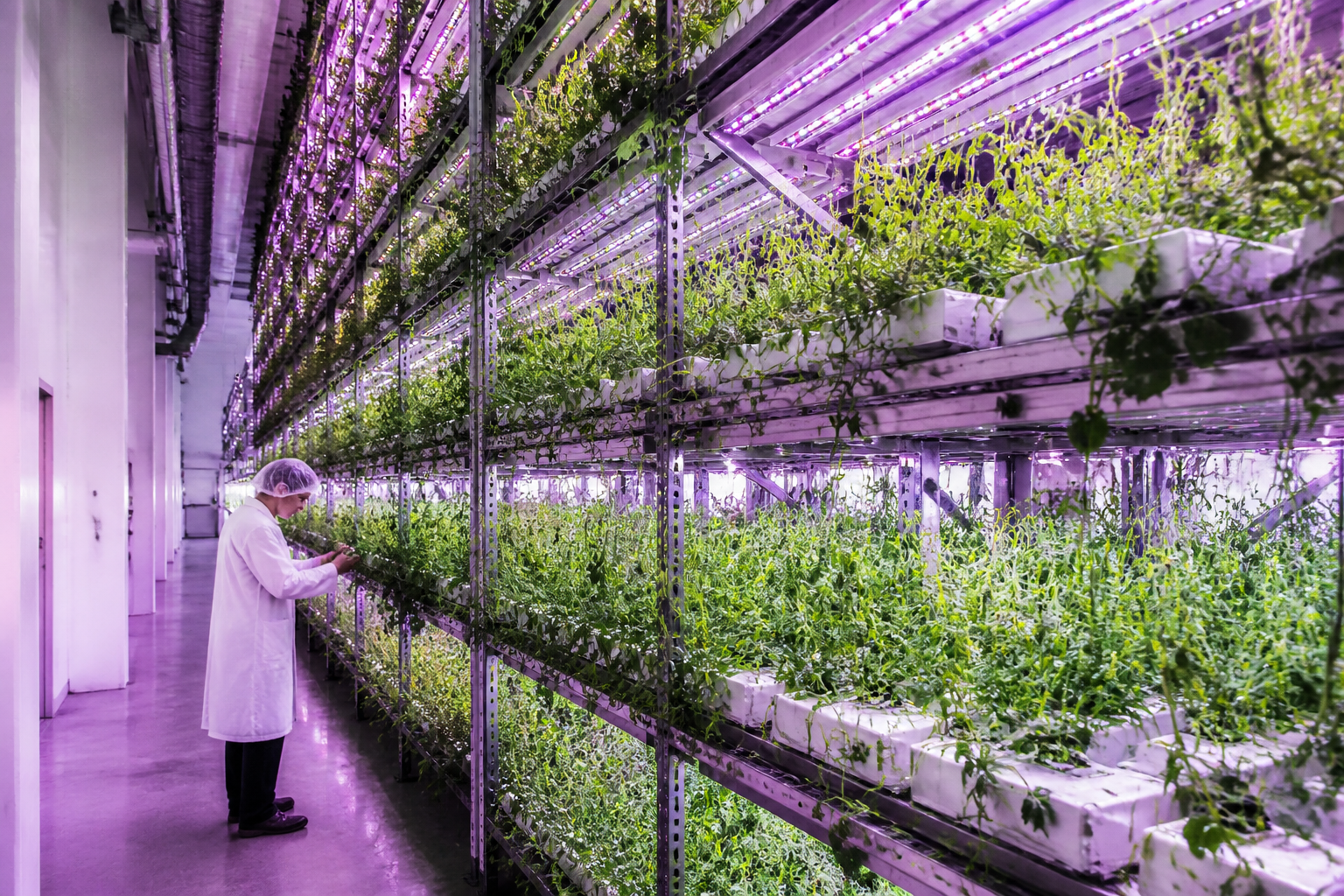
Precision meat substitutes are evolving beyond simple plant-based mixtures into complex products created via precision fermentation and molecular farming, which use microbes or plants as biological factories to produce real animal proteins. According to the Good Food Institute (2024), these methods allow for the creation of identical dairy and meat proteins without raising livestock, drastically reducing resource intensity while maintaining bio-identical functionality.
This new wave of production focuses on specific technological pillars: * Precision Fermentation: Using yeast or fungi to brew specific proteins, such as whey or casein, which the RethinkX (2020) report predicts will lead to a 70% reduction in the cost of protein production by 2030. * Molecular Farming: Engineering crops like soybeans or peas to express animal proteins (like bovine myoglobin) directly within their seeds, a method highlighted by Nature Communications (2023) for its scalability. * Hybrid Integration: Combining plant-based scaffolds with cultivated animal cells to improve the structural integrity and 'mouthfeel' of the final product.
By utilizing these methods, manufacturers can bypass the environmental costs of traditional animal husbandry. The World Resources Institute (2023) notes that these bio-manufacturing platforms require up to 90% less land and 80% less water than conventional beef production. Furthermore, because these proteins are produced in sterile, controlled environments, they eliminate the need for prophylactic antibiotics, addressing a major driver of antimicrobial resistance in global health.
<!-- one-fork:related-links -->
Technical Deep Dives & Impact Calculators
- One Fork Magazine
- Free Vegan Tools
- Nutrition: protein
- Ingredient Label Scanner
- Common myths, debunked
- Ask a vegan
- How to actually start
<!-- /one-fork:related-links -->
FAQ
- Are precision meat substitutes actually healthier than real beef?
- Precision meat substitutes are generally lower in cholesterol and higher in fiber than beef, but they are classified as ultra-processed foods. According to the SWAP-MEAT study by Stanford (2020), participants who consumed these alternatives saw improved cardiovascular markers, though the high sodium content remains a concern for those with hypertension.
- What is the environmental impact of processed vegan burgers?
- The environmental impact is significantly lower than animal agriculture. Research from the University of Michigan (2018) found that a plant-based burger uses 99% less water, 93% less land, and generates 90% fewer greenhouse gas emissions than a quarter-pound of U.S. beef.
- Do precision meat substitutes contain complete proteins?
- Yes, most modern alternatives use soy or pea protein isolates to provide all nine essential amino acids. While the protein density is comparable to beef, the bioavailability may be slightly lower due to the presence of antinutrients in legumes, though this is largely mitigated during high-heat processing.
- Is the saturated fat in plant-based burgers dangerous?
- Many brands use coconut oil to mimic animal fat, which is high in saturated fatty acids. While plant-derived, these fats can still influence blood lipid profiles. However, these products contain zero dietary cholesterol, which distinguishes them from the saturated fats found in ruminant meats.
- How do precision meat substitutes affect biodiversity?
- By reducing the land footprint of protein production, these substitutes help mitigate habitat loss. The EAT-Lancet Commission (2019) notes that shifting to plant-forward diets is the single largest way to reduce the pressure on global biodiversity caused by clearing land for cattle grazing.
- What is the primary difference between plant-based and precision-fermented meat?
- Plant-based meat uses processed vegetable proteins (like pea or soy) to mimic meat texture, while precision-fermented substitutes use microbes to create bio-identical animal proteins. According to a 2023 report by the Good Food Institute, precision fermentation produces specific molecules like heme or collagen that are chemically indistinguishable from those found in animals.
- Do precision meat substitutes contain antibiotics or growth hormones?
- No, precision meat substitutes are produced in controlled bioreactors or through plant biology, eliminating the need for the antibiotics and hormones used in industrial livestock. The World Health Organization (2022) has identified antibiotic resistance from animal farming as a top global health threat, which these technologies avoid entirely.
- How does the land footprint of precision meat compare to traditional livestock?
- Precision meat substitutes are significantly more efficient; research from Oxford University (2023) indicates that microbial protein production requires 90% less land than traditional beef. This allows for potential 'land sparing,' where former agricultural land can be rewilded to support biodiversity and natural carbon sequestration.
- Are precision meat substitutes considered 'clean label' products?
- Generally, no. Most precision meat substitutes are classified as ultra-processed foods (UPFs) because they require sophisticated extraction and stabilization. However, a 2024 study in The Lancet Regional Health – Europe found that not all UPFs are equal, noting that plant-based meat alternatives did not share the same multi-morbidity risks as processed animal meats.
- What role does 'heme' play in precision meat substitutes?
- Heme is the iron-containing molecule that gives meat its distinct flavor and color. In precision substitutes, companies like Impossible Foods use yeast engineered with soy DNA to produce 'leghemoglobin.' This provides the metallic, savory taste of beef without using animal tissue, as validated by FDA GRAS notices.
- Can precision meat substitutes help reduce global methane emissions?
- Yes. Since enteric fermentation in cattle is a leading source of methane, switching to precision substitutes can have an immediate impact. The IPCC (2023) emphasizes that methane has a warming potential over 80 times that of CO2 over 20 years, making these alternatives vital for short-term climate cooling.
Sources
- Reducing food’s environmental impacts through producers and consumers — Science / Oxford University
- A Plant-Based Meat Substitute Lowered Cardiovascular Disease Risk Factors — American Journal of Clinical Nutrition
- Livestock's Long Shadow — FAO
- Climate Change 2022: Mitigation of Climate Change — IPCC
- State of the Industry Report: Fermentation — The Good Food Institute
- Dietary choices and their environmental impacts — Nature Food
- Plant-based meat substitutes and health outcomes — The Lancet Regional Health – Europe