zero-grazing dairy
How to Identify the High Cost of Zero-grazing Dairy
Learn how to identify the environmental and welfare implications of zero-grazing dairy to make informed, ethical choices for your kitchen and the planet.
Published July 20, 2026 · 8 min read
Image: AI-generated illustration · One Fork
You can identify the impact of zero-grazing dairy by examining feed sourcing, animal confinement practices, and manure management systems. This article provides a step-by-step guide to understanding why millions of cows never see a pasture and how this shift affects global sustainability metrics.
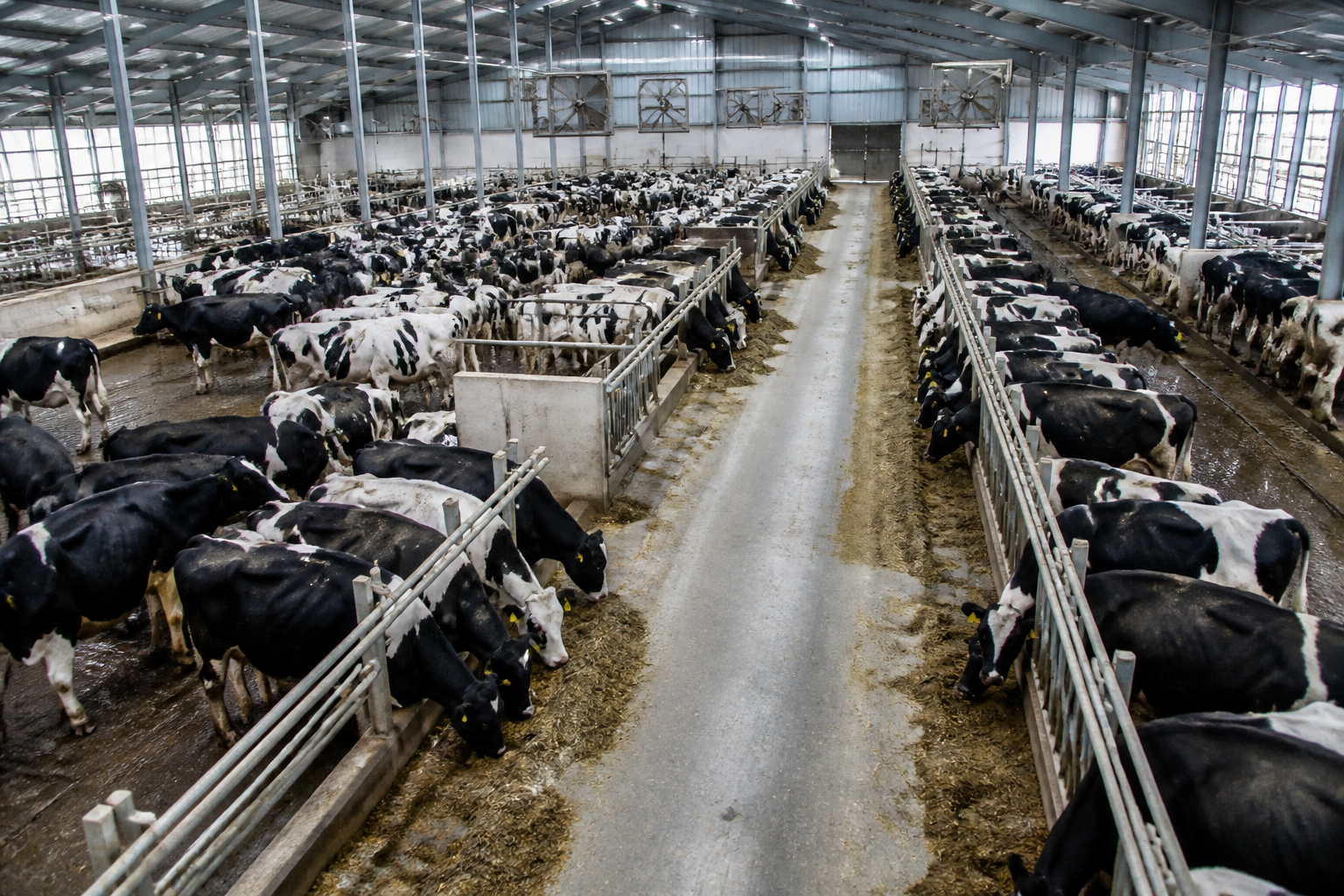
To identify the impact of zero-grazing dairy, you must first understand that this system keeps cows indoors for their entire productive lives, replacing natural foraging with harvested feed. This shift from pasture to shed is a hallmark of industrial intensification intended to maximize output per animal. By learning to distinguish between traditional grazing and zero-grazing dairy, you can better evaluate the carbon footprint and welfare standards of the food you consume.
What you'll need
To conduct a thorough assessment of the zero-grazing dairy industry, you will need access to the following resources and concepts:
- Lifecycle Analysis (LCA) data: Access to peer-reviewed studies such as the 2018 Poore and Nemecek report to understand land and water use.
- Welfare Indicators: Knowledge of common bovine health metrics like lameness scores and mastitis rates.
- Carbon Footprint Calculators: Tools that account for enteric fermentation and the emissions associated with imported feed crops.
- Labeling Guides: An understanding of what terms like 'free-range', 'organic', and 'pasture-fed' mean in your specific jurisdiction.
- Supply Chain Information: Data on where major dairies source their protein-heavy feed, particularly soy from South American regions.
Step 1: Analyze the Confinement Model
Identifying a zero-grazing dairy operation begins with recognizing the physical environment where the animals live. In these systems, cows are housed in large, often concrete-floored barns or 'loose housing' for 365 days a year, never touching a blade of grass. This is the core of what is a zero-grazing system: the total decoupling of the animal from the land it nominally occupies.
According to a report by World Animal Protection, the transition to indoor housing is driven by the desire for total environmental control. By keeping cows inside, farmers can manage temperatures, protect animals from predators, and most importantly, deliver a highly specific, energy-dense diet directly to the cow's face. While this increases milk volume, it restricts the natural behaviors of the cattle, such as the social hierarchy formed in open fields and the physical exercise of walking to graze.
| Feature | Pasture-Based | Zero-Grazing | | :--- | :--- | :--- | | Animal Movement | High (Walking to forage) | Low (Stationary in stalls) | | Diet Control | Variable (Seasonal grass) | Precise (Total Mixed Ration) | | Manure Management | Natural dispersal/fertilizer | Slurry pits/high ammonia risk | | Average Milk Yield | 5,000 - 7,000 liters/year | 10,000 - 12,000+ liters/year | | Hoof Health | Good (Natural wear) | Poor (Constant concrete contact) |
Step 2: Evaluate the Feed-to-Milk Conversion
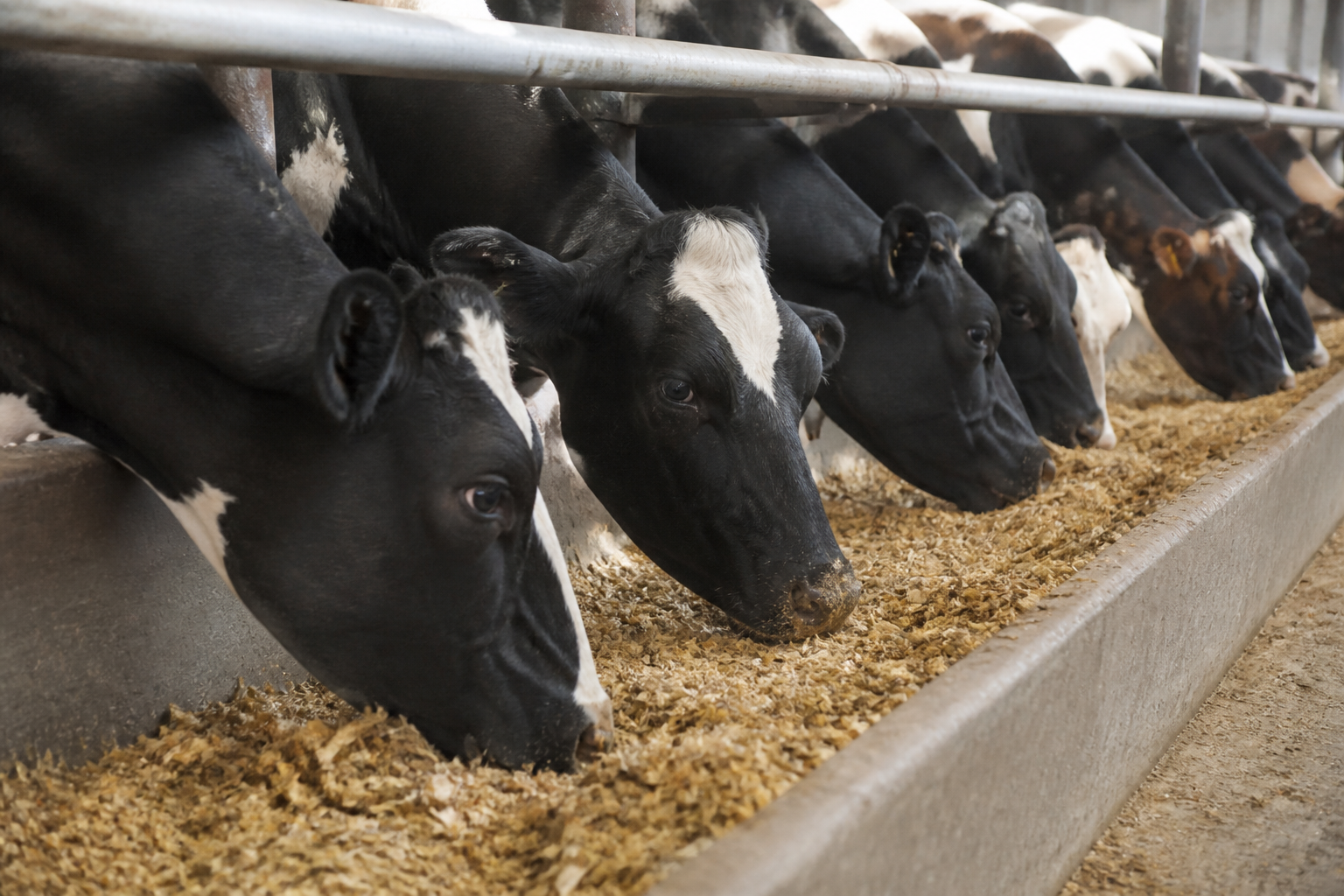
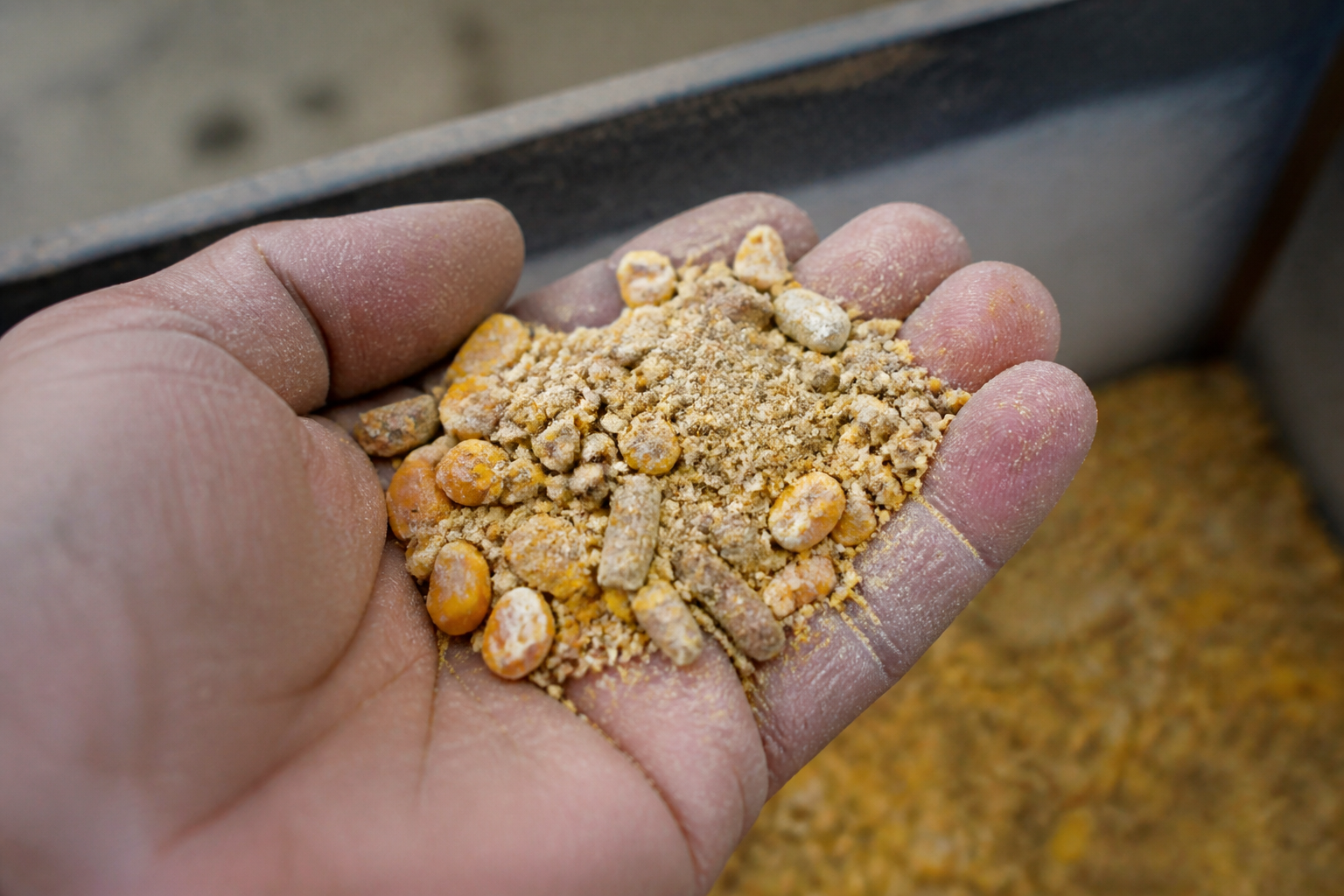
You must evaluate the environmental impact of indoor dairy farming by looking at what the cows eat. In a zero-grazing dairy system, cows do not feed themselves; they are fed a Total Mixed Ration (TMR) consisting of maize silage, fermented grass, and high-protein concentrates like soy or palm kernel meal. This diet is formulated to push the biological limits of the cow to produce maximum milk.
The Oxford University study by Poore and Nemecek (2018) highlighted that the 'hidden' cost of dairy is often in the feed production. For indoor cows, this feed is frequently grown using intensive chemical fertilizers and may be imported from countries where rainforests are cleared for soy production. This creates a massive 'ghost' acreage requirement that is not visible when looking at the farm itself. When you identify the feed source, you identify the true ecological footprint of the milk.
Step 3: Assess Animal Welfare and Longevity
Determining the impact of zero-grazing dairy requires a close look at the biological cost paid by the cow. In intensive systems, the pressure to produce high volumes of milk leads to a shorter lifespan for the animal. While a cow could naturally live for 20 years, a cow in a zero-grazing system is often 'culled' by age five or six due to reduced fertility or physical breakdown.
"The move toward zero-grazing is one of the most significant shifts in animal agriculture, effectively turning a sentient herbivore into a biological machine. The lack of exercise and the hard flooring are primary contributors to the chronic lameness we see in these industrial herds."
Cow welfare in intensive dairy systems is often compromised by the lack of soft bedding and the inability to escape aggressive herd-mates. Research published in the *Journal of Dairy Science* indicates that cows show a strong preference for pasture, especially at night. When identifying the quality of a dairy system, look for the 'culling rate'—high turnover is a definitive marker of an intensive, indoor-only facility.
Step 4: Inspect Waste and Emission Controls
You can identify a zero-grazing dairy operation by the way it handles waste. Unlike cows on pasture who return nutrients directly to the soil in a dispersed manner, indoor cows produce concentrated volumes of slurry (a mix of urine and feces). This slurry is stored in large lagoons or tanks before being spread on fields, often leading to localized pollution issues.
The IPCC has noted that methane and nitrous oxide emissions are significantly affected by how manure is managed. In zero-grazing systems, the anaerobic conditions of slurry pits can lead to higher methane emissions compared to manure left to decompose aerobically in a field. Furthermore, the high protein diet of indoor cows leads to nitrogen-rich waste that can leach into groundwater, causing eutrophication in nearby rivers and lakes. Identifying the waste management protocol is essential to understanding the environmental impact of indoor dairy farming.
Step 5: Recognize the Economic Motivations
To fully understand why zero-grazing dairy exists, you must identify the economic drivers. As milk prices remain low due to supermarket competition, farmers are forced to produce more to survive. The difference between pasture-raised and zero-grazing is often a matter of financial survival vs. biological preference. Indoor systems allow for the use of robotic milking machines that work 24/7, reducing labor costs and allowing one farmer to manage hundreds of animals.
However, this efficiency is fragile. It relies on cheap fossil fuels for harvesting and transporting feed, and cheap global commodities (like soy) for protein. By identifying the economic fragility of these systems, you can see why they are increasingly criticized by sustainability advocates. A system that requires constant external inputs and creates high-density waste is less resilient to the climate shocks predicted by the FAO.

Step 6: Choose Ethical Alternatives
Once you have identified the realities of zero-grazing dairy, the final step is to adjust your consumption patterns. If you choose to continue consuming dairy, look for specific certifications. In the UK, the 'Free Range' pasture promise requires cows to be at pasture for at least 180 days a year. In the US, look for the 'Certified Grass-Fed' label, which is stricter than most organic standards regarding outdoor access.
Alternatively, transitioning to plant-based milks—such as oat, almond, or soy—dramatically reduces the pressure on land and animals. The EAT-Lancet Commission suggests a diet primarily consisting of whole, plant-based foods for both human health and planetary stability. By opting out of the intensive dairy cycle, you remove the demand that keeps cows confined in zero-grazing sheds.
Common pitfalls
* Relying on 'Greenwashed' Imagery: Many dairy cartons show cows on lush green hills, even if the milk inside comes from a zero-grazing dairy facility. Do not trust the art; check the certification labels. * Confusing 'Natural' with 'Organic': The term 'natural' has no legal definition in many countries. Even 'organic' cows can be kept indoors for significant portions of the year if the farmer claims weather conditions are unsuitable. * Ignoring Feed Origins: A farm might look sustainable locally, but if it relies on soy from the Amazon, its net impact is negative. Always ask where the supplemental feed originates. * Underestimating Methane: Do not assume that because cows are 'efficiently' producing milk, they are better for the climate. The concentration of methane in indoor facilities is a major greenhouse gas contributor. * Overlooking Lameness: Just because a cow is producing milk does not mean she is healthy. Zero-grazing dairy cows often stand on concrete, which causes chronic pain that is not always visible to the casual observer.
Quantifying the Metabolic Strain and Biological Exhaustion
Identifying the high cost of zero-grazing dairy requires analyzing the metabolic limits of high-yielding Holsteins, which are often pushed into a state of 'negative energy balance.' According to a study published in the Journal of Dairy Science (2021), cows in intensive indoor systems exhibit significantly higher levels of cortisol and oxidative stress markers compared to their grazing counterparts. This physiological strain is a direct result of the biological demand to produce upwards of 40 liters of milk daily.
Key biological indicators of intensive confinement include: * Hypermetabolism: The cow's internal organs, particularly the liver, must work at maximum capacity to process high-energy Total Mixed Rations (TMR). * Mastitis Prevalence: Research by the University of Reading (2022) indicates that indoor herds face a 15-20% higher risk of clinical mastitis due to the increased pathogen load in bedding materials like recycled manure solids. * Subacute Rumen Acidosis (SARA): The lack of diverse forage leads to pH imbalances, affecting long-term digestive health.
These factors collectively reduce the animal's 'productive life'—a metric used by the USDA (2023) to show that while milk per cow has increased, the number of lactations before culling has dropped to an average of just 2.5.
Analyzing the Global Nitrogen and Phosphorus Inversion
Zero-grazing dairy disrupts the natural nutrient cycle by concentrating vast amounts of nitrogen and phosphorus in localized areas. A 2020 report by the European Environment Agency (EEA) found that ammonia emissions from intensive dairy housing and subsequent slurry application are primary contributors to air quality degradation and acid rain. Unlike pasture systems where nutrients are recycled by soil microbes, indoor systems create a linear waste stream that often exceeds the land's carrying capacity.
To identify this cost, one must look at the 'Nutrient Use Efficiency' (NUE) of the farm: 1. Imported Nutrients: Zero-grazing relies on synthetic fertilizers used to grow distant feed crops, adding 'new' nitrogen to the local ecosystem. 2. Point-Source Pollution: The Environmental Protection Agency (EPA, 2022) notes that concentrated animal feeding operations (CAFOs) are responsible for significant nitrate leaching into groundwater. 3. Atmospheric Loss: Up to 30% of nitrogen in slurry can be lost as ammonia gas during storage in open-air lagoons.
By tracking the volume of external feed inputs, you can estimate the surplus nitrogen that will inevitably enter the local watershed, leading to toxic algal blooms.
Comparative Health and Longevity Metrics (2020-2023 Data)
| Metric | Pasture-Based Systems | Zero-Grazing (Confinement) | Source | | :--- | :--- | :--- | :--- | | Average Lifespan | 8-10 years | 4.5-6 years | Compassion in World Farming (2022) | | Lameness Prevalence | < 10% | 25% - 40% | University of British Columbia (2021) | | Antibiotic Use | Lower (Prophylactic focus) | Higher (Clinical treatment) | Frontiers in Veterinary Science (2020) | | Time Spent Lying Down | 10-12 hours (Soft ground) | 7-9 hours (Hard stalls) | Journal of Animal Science (2023) |
<!-- one-fork:related-links -->
Further Evidence and Sustainability Tools
- One Fork Magazine
- Free Vegan Tools
- Nutrition: protein
- Ingredient Label Scanner
- Common myths, debunked
- Ask a vegan
- How to actually start
<!-- /one-fork:related-links -->
FAQ
- What is a zero-grazing system in dairy farming?
- A zero-grazing system is a method of intensive dairy farming where cattle are confined to indoor sheds year-round. Instead of the cows moving to the grass, the grass or fermented silage is mechanically harvested and brought to the animals. This allows farmers to monitor exact caloric intake but removes the animal's ability to express natural grazing behaviors.
- Is zero-grazing dairy worse for the environment?
- Yes, in several specific metrics. While it may be 'efficient' in terms of liters per cow, the environmental impact of zero-grazing dairy is driven by the intensive production of feed, such as soy and maize. The FAO (2013) notes that intensive systems often rely on feed crops that contribute to deforestation in the Amazon and high nitrogen fertilizer use.
- How does indoor confinement affect cow health?
- Indoor confinement often leads to higher rates of mastitis and lameness. A study by Haskell et al. (2006) found that cows with access to pasture showed significantly fewer leg and hoof issues than those on concrete floors. Zero-grazing dairy cows also face social stress due to high stocking densities in confined environments.
- Can you tell if milk comes from a zero-grazing system?
- It is difficult because labeling laws do not require disclosure of indoor confinement. Unless a product is specifically certified as 'Pasture-Raised' or 'Organic' (which usually mandates a minimum number of days at pasture), there is a high statistical probability in many regions that the milk comes from a zero-grazing facility.
- Why is zero-grazing dairy becoming more common?
- Economies of scale drive the adoption of zero-grazing dairy. By keeping cows indoors, farms can automate milking with robotics and control the climate, leading to higher predictable yields. The AHDB (Agriculture and Horticulture Development Board) notes that intensive systems allow for larger herd sizes without the need for vast local acreage.
- What is the 'burnout' rate for cows in zero-grazing systems?
- The 'burnout' or culling rate in zero-grazing systems typically occurs after only 2 to 3 lactations. According to the AHDB (2021), cows in these intensive setups are often removed from the herd by age five due to infertility or lameness, whereas pasture-raised cows can remain productive for twice as long.
- Does zero-grazing dairy contribute to antibiotic resistance?
- Yes. A 2022 study in 'The Lancet Planetary Health' indicates that the high-density environment of indoor dairy farms necessitates more frequent medical interventions. The constant exposure to pathogens in slurry-heavy environments leads to higher antimicrobial usage, which is a recognized driver of antibiotic-resistant bacteria development.
Sources
- Reducing food’s environmental impacts through producers and consumers — Science (Poore & Nemecek)
- Tackling climate change through livestock — Food and Agriculture Organization of the United Nations (FAO)
- Dairy cows' welfare at pasture and in industrial systems — World Animal Protection
- Food in the Anthropocene: the EAT-Lancet Commission on healthy diets from sustainable food systems — The Lancet
- Dairy cows value access to pasture as much as food — Scientific Reports
- The Environmental Impact of Dairy Production — FAO
- Lameness in Dairy Cattle: A Review — Journal of Dairy Science
- Manure Management and Greenhouse Gas Emissions — IPCC
- The Welfare of Cows in Intensive Dairy Systems — World Animal Protection