
the Ogallala aquifer
Mistakes to Avoid Regarding the Ogallala Aquifer and Cattle
Discover how legacy irrigation errors and the Ogallala aquifer depletion are linked to cattle feed production and what we must change to save our water.
Published July 4, 2026 · 10 min read
Image: NASA Goddard Space Flight Center from Greenbelt, MD, USA · Public domain · Wikimedia Commons · source
The primary error in managing the Ogallala aquifer is the sustained use of fossil water to grow water-intensive feed crops for the commercial cattle industry. This article identifies the systemic mistakes in High Plains agriculture that have led to rapid groundwater exhaustion and outlines the necessary shifts toward sustainable land use.
The most significant errors in modern American agriculture revolve around the depletion of the Ogallala aquifer, a massive underground reservoir that underlies eight states in the High Plains. To understand the gravity of the situation, one must recognize that we are currently mining a finite mineral resource rather than managing a renewable one. The primary driver of this depletion is the industrial production of beef cattle, which requires an immense amount of water to produce the grain necessary for feedlots. By failing to align our dietary and agricultural output with the hydrological realities of the Great Plains, we are risking a permanent collapse of the regional economy and food security.
Mistake 1: Treating "Fossil Water" as a Renewable Resource
Treating the Ogallala aquifer as a renewable resource is a fundamental error because most of its water was deposited over 10,000 years ago during the last ice age. The current rates of extraction for agricultural irrigation far exceed the natural recharge from rainfall. In many regions of the High Plains, water is being pumped out at a rate ten to forty times faster than it is being replenished, making it a finite pool of "fossil water."
Why it happens: This mistake occurs due to a lack of immediate feedback loops. Because the water is hidden deep underground in thick layers of sand and gravel, the consequences of over-extraction aren't visible until a well literally runs dry. Historical water rights, often based on the "doctrine of prior appropriation" (first in time, first in right), have encouraged a "use it or lose it" mentality. This legal framework incentivizes farmers to pump as much as possible to maintain their future legal claims to the water, regardless of the aquifer's health.
Why it matters: When we treat fossil water as a renewable flow, we build permanent infrastructure—such as massive feedlots and slaughterhouses—around a temporary supply. According to the USGS (2017), the cumulative depletion of the Ogallala since 1950 is approximately 293.5 million acre-feet. Once this water is gone, it is gone for human timescales. The loss of this resource would eliminate nearly 20% of the U.S. production of wheat, corn, and cotton, and more than 30% of the groundwater used for irrigation in the country.
Fix it: Policy must transition from "flow management" to "stock management." This requires placing strict, science-based caps on total water withdrawals that acknowledge the slow recharge rates. We must move away from the "use it or lose it" legal doctrine and instead implement "use it and save it" credits that reward farmers for leaving water in the ground.
Mistake 2: Growing Thirsty Corn for Cattle Feed in Arid Regions
The mistake of growing water-intensive corn for cattle feed in the arid High Plains is a failure of ecological logic. Corn is one of the thirstiest crops in the American portfolio, yet it is the primary crop grown over the Ogallala aquifer to support the nearby beef industry. By forcing an Eastern-climate crop into a semi-arid Western environment, we have created a massive artificial demand for groundwater.
Why it happens: The rise of the grain-finished beef model in the mid-20th century created a localized market for corn. It is cheaper for a feedlot in Kansas or Texas to buy corn grown on top of the aquifer than to ship it from the rain-fed Corn Belt of Iowa or Illinois. Federal subsidies also play a role; the Environmental Working Group (EWG) has documented billions of dollars in crop insurance and commodity payments that de-risk the planting of corn in areas where it would otherwise be a financial gamble due to lack of rainfall.
Why it matters: Growing corn to feed cattle is an incredibly inefficient use of water. Research by Poore and Nemecek (2018) published in *Science* highlights that animal products generally require significantly more water per calorie than plant-based foods. In the context of the Ogallala, this means we are essentially liquidating our future water security to produce a luxury protein. It takes approximately 1,800 gallons of water to produce just one pound of beef, much of which is used to irrigate the corn the animal eats during its final months.
Fix it: We must decouple the beef industry from the High Plains' groundwater. This involves shifting to dryland crops like sorghum or millet, which require significantly less water than corn. Additionally, transitioning the cattle industry back toward a pasture-based model—where animals graze on natural rainfall-fed grasses rather than irrigated grain—would drastically reduce the pressure on the Ogallala aquifer.
Mistake 3: Relying on Efficiency Technology to Solve Scarcity
A common mistake is the belief that better irrigation technology, like Low-Energy Precision Application (LEPA) sprinklers, will automatically save water. While these technologies do reduce the amount of water wasted to evaporation, they often lead to "Jevons Paradox," where increased efficiency actually leads to higher overall consumption as farmers use the "saved" water to expand their acreage or plant even thirstier crops.
Why it happens: Technology is often viewed as a "silver bullet" that allows us to maintain our current lifestyle without making sacrifices. Governments often provide grants for farmers to upgrade their equipment, assuming it will result in lower water usage. However, without a hard cap on the total volume of water pumped, the efficiency gains are simply reinvested into more production to maximize profits.
Why it matters: Relying on technology alone masks the underlying problem of over-consumption. In many parts of the Texas Panhandle, even with the most efficient drip irrigation, the water level continues to drop. According to a study from Kansas State University (2013), regions that adopted more efficient irrigation technology did not see a significant decrease in their overall water use; instead, they shifted from growing wheat to growing more profitable, but thirstier, corn.
Fix it: Efficiency upgrades must be paired with mandatory reductions in total pumping permits. If a farmer saves 20% of their water through technology, that 20% should stay in the aquifer rather than being used to irrigate an extra 50 acres. We need "total volume" limits rather than just "efficiency" mandates.
Mistake 4: Overlooking the High Water Footprint of Beef
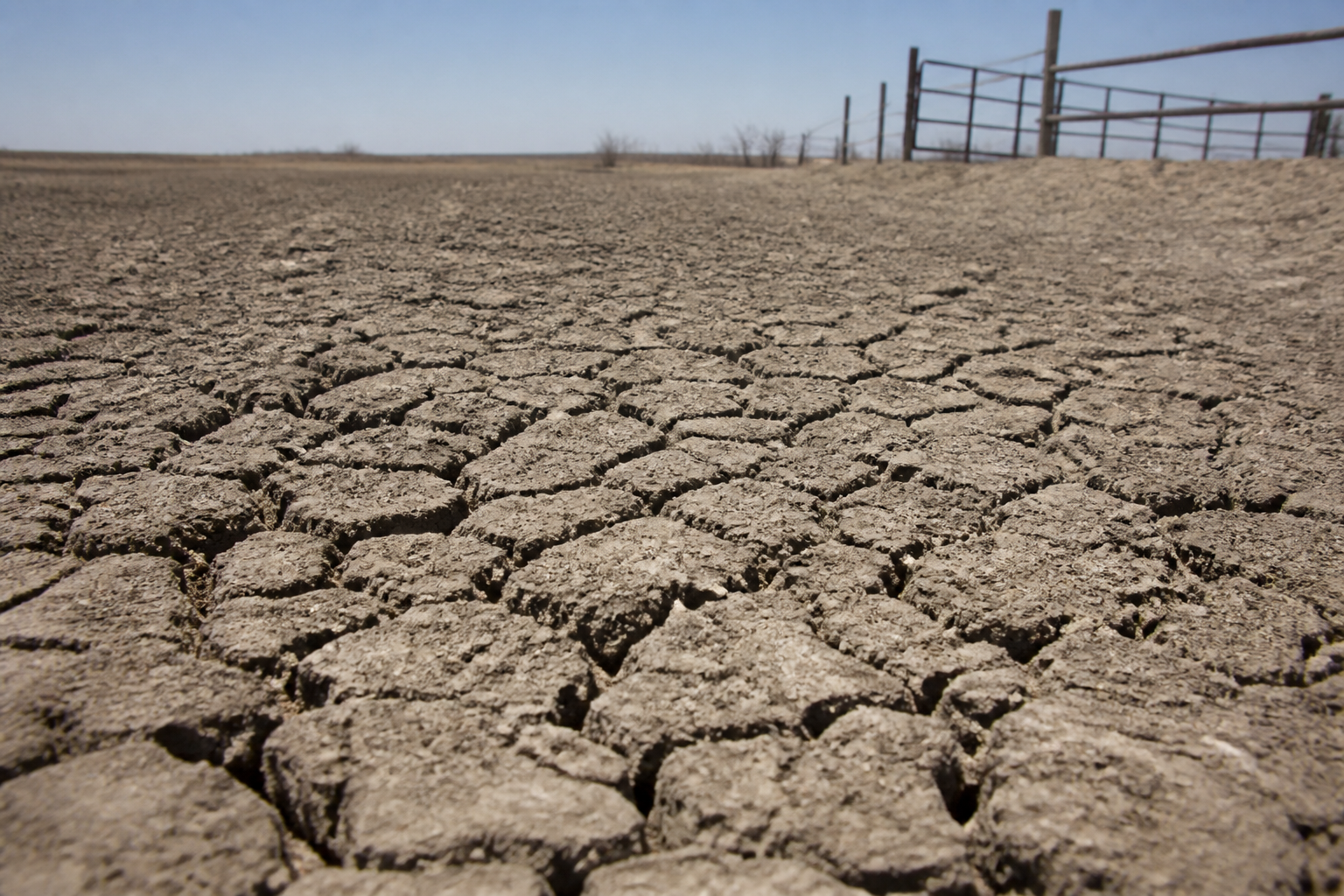
Ignoring the disproportionate water footprint of beef is a major mistake in our national food strategy. Because beef is the staple protein of the American diet, there is a cultural reluctance to acknowledge that its production is the primary driver of aquifer depletion in the West. By failing to connect the burger on the plate to the drying well in Kansas, we ignore the most powerful lever for conservation: dietary shift.
Why it happens: The beef industry is a powerful economic and political force in Ogallala states. In Nebraska, for instance, cattle outnumber people by nearly four to one. The industry provides jobs and tax revenue, making it difficult for local politicians to suggest that reducing cattle numbers might be necessary for water survival. Furthermore, the water used for beef is "invisible" to the consumer; it is embedded in the grain and the processing, not just the water the cow drinks.
Why it matters: The EAT-Lancet Commission (2019) has emphasized that global food systems must stay within planetary boundaries, including freshwater use. The High Plains cannot sustain current levels of beef production without exhausting its water. As the aquifer thins, the energy costs of pumping water from deeper and deeper underground increase, eventually making the beef industry in this region economically uncompetitive anyway. By delaying the transition, we are ensuring a harder, more chaotic crash later.
Fix it: Consumers can make an immediate impact by choosing plant-based proteins, which have a fraction of the water footprint. From a policy perspective, we should end the subsidies that artificially lower the price of beef. If the true cost of the water extracted from the Ogallala aquifer were reflected in the price of a steak, market forces would naturally drive more sustainable food choices.
Mistake 5: Neglecting the Ecological Services of Native Grasslands
The mistake of plowing up native grasslands to grow irrigated feed crops has destroyed the natural water-management system of the Great Plains. Native prairies, with their deep root systems, act like a sponge, slowing down runoff and allowing water to infiltrate the soil. When these are replaced by monoculture crops, the soil loses its ability to hold moisture, requiring even more irrigation to compensate.
Why it happens: Land is often valued only for its commodity output (bushels per acre) rather than its ecological services (carbon sequestration, water filtration). This "productivist" mindset leads to the conversion of marginal lands—which should never have been farmed—into irrigated fields. The 2014 and 2018 Farm Bills provided some protections through the "Sodsaver" provision, but loopholes still remain that encourage conversion.
Why it matters: Short-term gains in grain production come at the cost of long-term landscape resilience. Without native cover, the High Plains are susceptible to the kind of wind erosion seen during the 1930s. Moreover, the loss of these grasslands means less natural recharge for the aquifer. According to the World Wildlife Fund (2021), we are still losing millions of acres of Great Plains grasslands every year, much of it to support the livestock feed supply chain.
Fix it: We need to expand the Conservation Reserve Program (CRP) specifically in areas over the most depleted parts of the aquifer. Farmers should be paid more to restore native prairie than they would make from growing irrigated corn. This "managed retreat" from industrial farming would protect the remaining water and create a buffer against climate change.
Mistake 6: Ignoring the Impending "Well-Dry" Economic Cliff
Failing to plan for the end of the aquifer is the final, most dangerous mistake. Local economies in the High Plains are currently built on the assumption that the water will always be there, or that a new technology (like a massive pipeline from the Missouri River) will save them. This lack of a "Plan B" leaves thousands of families and small towns vulnerable to a sudden and total economic collapse.
Why it happens: Economic systems are geared toward quarterly growth and annual returns, which are poorly suited to managing a resource that depletes over decades. There is also a psychological phenomenon known as "normalcy bias," where people assume that because they have always had water, they always will. This leads to continued investment in water-dependent infrastructure even as the water table drops.
Why it matters: When the wells go dry, it won't just be the farmers who suffer. It will be the tractor dealerships, the local schools, the grocery stores, and the entire social fabric of the High Plains. The USDA has warned that in parts of the Southern High Plains, the "useful life" of the aquifer for large-scale irrigation may be less than 30 years. Without a planned transition to a dryland economy, these regions face a future of depopulation and poverty.
Fix it: Rural development funds should be redirected toward building a "post-irrigation" economy. This includes investing in wind and solar energy—which are abundant in the High Plains and require almost no water—and developing markets for drought-tolerant crops. We must start the transition while we still have enough water left to manage the change gracefully.
"The Ogallala is more than just a pool of water; it is the lifeblood of the American interior. To spend it all on a few generations of cheap beef is not just an environmental error; it is a profound betrayal of the future."
- Agricultural Diversification: Transitioning from corn to crops like industrial hemp or tagasaste.
- Water Banking: Creating systems where farmers can 'deposit' unused water for future dry years.
- Direct Consumption: Shifting human diets toward pulses and grains rather than cycling them through livestock.
- Legislative Reform: Updating the 1945 Kansas Water Appropriation Act to prioritize sustainability over historic use.
- Transparency: Implementing real-time, public monitoring of all commercial water wells.
By avoiding these six mistakes, we can extend the life of the Ogallala aquifer and ensure that the High Plains remains a viable place to live and work for centuries to come. The era of limitless water is over; the era of wise stewardship must begin.
Mistake 7: Underestimating the Climate-Driven Pumping Feedback Loop
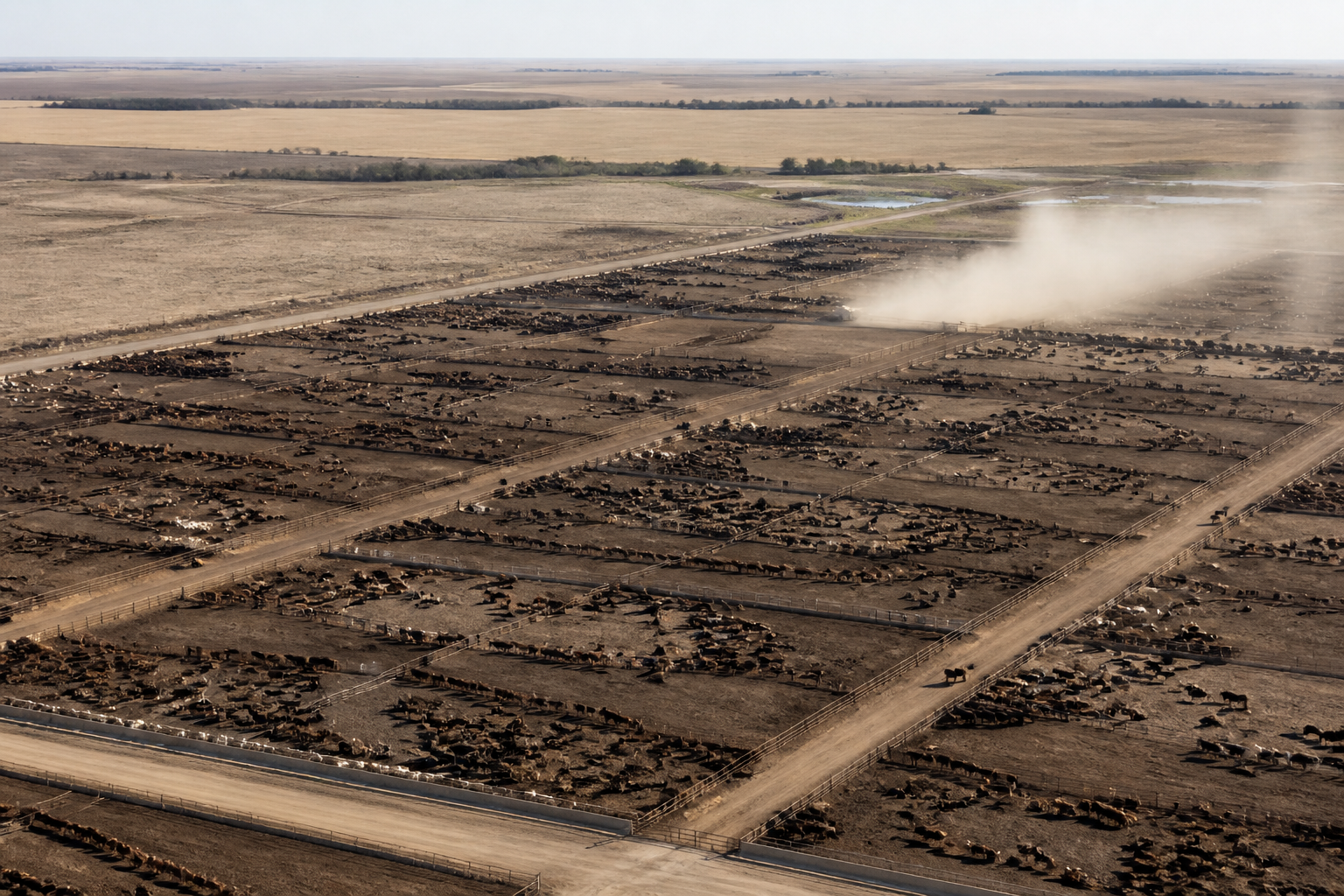
Underestimating the climate-driven pumping feedback loop occurs when agricultural planning fails to account for how rising temperatures exponentially increase crop water demand. As the High Plains experience more frequent and intense heatwaves, the evapotranspiration rates of corn and soy rise, forcing producers to pump significantly more from the Ogallala aquifer just to maintain previous yield levels, creating a terminal cycle of depletion.
This mistake is exacerbated by the following factors: * Vapor Pressure Deficit (VPD): Higher temperatures increase the atmosphere's 'thirst' for moisture, pulling water out of plants and soil faster than in previous decades. * Reduced Recharge Windows: According to the Fourth National Climate Assessment (2018), while total precipitation may stay stable, it often arrives in extreme bursts that run off the land rather than soaking in to recharge the aquifer. * Energy-Water Nexus: As the water table drops, pumps require more energy to bring water to the surface, increasing the carbon footprint of the beef supply chain.
According to a study published in *Nature Communications* (2023), for every 1 degree Celsius of warming, the demand for irrigation in the High Plains is projected to increase by approximately 7% to 15%. By ignoring these climatic shifts, the cattle industry is effectively 'double-dipping' into a shrinking reserve during the exact periods when the resource is most vulnerable. Failing to adjust pumping quotas to reflect these new thermal realities ensures that the 'dry-well' horizon arrives decades sooner than historical models predicted.
Ogallala Depletion: Recent Decadal Comparison (USGS Data)
| Metric | 2001–2010 Average | 2011–2020 Average | Year-on-Year Trend | | :--- | :--- | :--- | :--- | | Annual Storage Change | -4.2 million acre-feet | -6.1 million acre-feet | 45% Increase in Loss Rate | | Average Water Level Decline | 0.8 feet / year | 1.2 feet / year | Accelerating | | Saturated Thickness Loss (KS) | 22% total loss | 31% total loss | Rapidly Thinning | | Beef Production Water Intensity | 1,750 gal/lb | 1,844 gal/lb | Increasing due to Heat |
<!-- one-fork:related-links -->
Hydrological Data and Conservation Tools
- One Fork Magazine
- Free Vegan Tools
- Nutrition: protein
- Ingredient Label Scanner
- Common myths, debunked
- Ask a vegan
- How to actually start
<!-- /one-fork:related-links -->
FAQ
- Why is the Ogallala aquifer disappearing so quickly?
- The Ogallala aquifer is disappearing because industrial agriculture is extracting water at rates far exceeding natural recharge. According to the U.S. Geological Survey (USGS), since 1950, cumulative depletion has reached nearly 300 million acre-feet. This is driven primarily by the mechanical irrigation of thirsty crops like corn and soy, which are used to fatten beef cattle in High Plains feedlots.
- How does beef production affect groundwater levels?
- Beef production affects groundwater levels by requiring massive quantities of irrigated feed. Research from the University of California, Davis, indicates that roughly 60% of the water footprint of beef comes from the irrigation of crops like alfalfa and corn. In the High Plains, this creates a 'water export' where local groundwater is embedded into beef shipped globally.
- Can the Ogallala aquifer be refilled naturally?
- Refilling the Ogallala aquifer naturally takes thousands of years. As a 'fossil' aquifer, its recharge rate is extremely slow, often less than an inch per year in many regions. The 2018 Poore and Nemecek study suggests that without a drastic reduction in water-intensive agricultural outputs, the resource will effectively run dry for commercial use within decades.
- Which states are most affected by the depletion of the Ogallala?
- Eight states rely on the Ogallala: South Dakota, Nebraska, Wyoming, Colorado, Kansas, Oklahoma, New Mexico, and Texas. Kansas and Texas have experienced the most significant declines. The USDA Economic Research Service notes that in some southern portions of the aquifer, saturated thickness has decreased by over 50% since the onset of large-scale irrigation.
- What happens to the High Plains if the water runs out?
- If the water runs out, the region faces an economic transition to dryland farming or ranching with significantly lower yields. This shift would mirror the conditions of the 1930s Dust Bowl. Kansas State University researchers warn that without the aquifer, the regional 'feed-to-beef' economic engine becomes unviable, potentially leading to mass land abandonment.
- How much has the Ogallala aquifer water level dropped recently?
- According to the **U.S. Geological Survey (USGS) 2023 report**, some areas of the Southern High Plains have seen water levels drop by over 150 feet since pre-development. In the last decade alone, the rate of depletion has accelerated in Western Kansas and the Texas Panhandle, with some wells dropping by more than 2 feet annually.
- Is there a federal limit on pumping from the Ogallala aquifer?
- No, there is no overarching federal limit. Water rights are managed at the state and local level, often through **Groundwater Management Areas (GMAs)**. As noted by the **USDA (2022)**, this fragmented governance leads to 'race-to-the-bottom' scenarios where different regions have vastly different conservation requirements despite sharing the same pool.
Sources
- High Plains Aquifer Water-Level Changes — U.S. Geological Survey (USGS)
- Reducing food’s environmental impacts through producers and consumers — Science / Poore & Nemecek
- The Ogallala Aquifer: Water Level Changes 1950-2017 — USDA Economic Research Service
- Sustainability of groundwater-fed agriculture — Proceedings of the National Academy of Sciences (PNAS)
- Groundwater Depletion in the United States — U.S. Geological Survey
- Climate Change and Agriculture in the United States — USDA Office of the Chief Economist
- Sustainable management of the Ogallala Aquifer — Proceedings of the National Academy of Sciences
- The Water Footprint of Beef — Water Footprint Network
- Climate-driven irrigation updates in the High Plains — Nature Communications