
COP meat question
A Climate Policy Expert Explains the COP Meat Question
Dr. Matthew Hayek details why every COP meat question is sidelined to protect national trade interests and the systemic barriers to dietary policy.
Published September 28, 2026 · 7 min read
Image: U.S. Department of State from United States · Public domain · Wikimedia Commons · source
Global climate summits avoid the COP meat question because food systems are politically sensitive and deeply tied to national trade identities. By focusing on energy and transport, delegates sidestep the complex cultural and economic friction associated with livestock emissions.
Climate change summits avoid the COP meat question because livestock production is inextricably linked to national economic interests, cultural identity, and complex global trade agreements. Negotiators fear that addressing dietary shifts will alienate agricultural voting blocs and spark public backlash, leading them to focus exclusively on fossil fuels while leaving the high-emission food sector largely unregulated in formal treaties.
Despite the clear scientific consensus that global food systems contribute approximately one-third of all greenhouse gas emissions, the actual words 'meat' or 'livestock' rarely appear in the final 'Cover Decisions' of UN climate conferences. In this interview, we explore why this omission persists and what it means for the future of our planet.
Meet Dr. Matthew Hayek
Dr. Matthew Hayek is an Assistant Professor in the Department of Environmental Studies at New York University. His research focuses on the environmental impacts of food systems, specifically how livestock production contributes to climate change and land-use shifts. Dr. Hayek has authored numerous peer-reviewed papers analyzing how dietary changes could help meet the Paris Agreement goals and is a prominent voice calling for the integration of food policy into international climate negotiations.
Q: Why does the COP meat question remain the 'elephant in the room' at every summit?
The COP meat question is avoided primarily because food is a decentralized, highly personal, and culturally sensitive issue that lacks the 'plug-and-play' technological fixes found in the energy sector. While a government can mandate a shift from coal to wind power through centralized grid management, influencing what billions of people eat requires navigating deep-seated traditions and powerful agricultural lobbies.
According to Dr. Hayek, the political risk of being seen as the 'diet police' is a major deterrent for world leaders. In many nations, the livestock sector is not just an industry but a cornerstone of national identity. For example, countries like Brazil, Argentina, and the United States have massive beef exports that are vital to their GDP. Introducing language into a UN document that suggests a reduction in meat consumption would be viewed as a direct attack on these economies.
Furthermore, the UN process operates on consensus. If a single major agricultural exporter objects to language regarding animal agriculture, that language is typically stripped from the final agreement to ensure the broader deal survives. This leads to a 'race to the bottom' where the most sensitive topics—like the livestock emissions—are the first to be sacrificed.
Q: How significant are livestock emissions compared to other sectors being discussed?
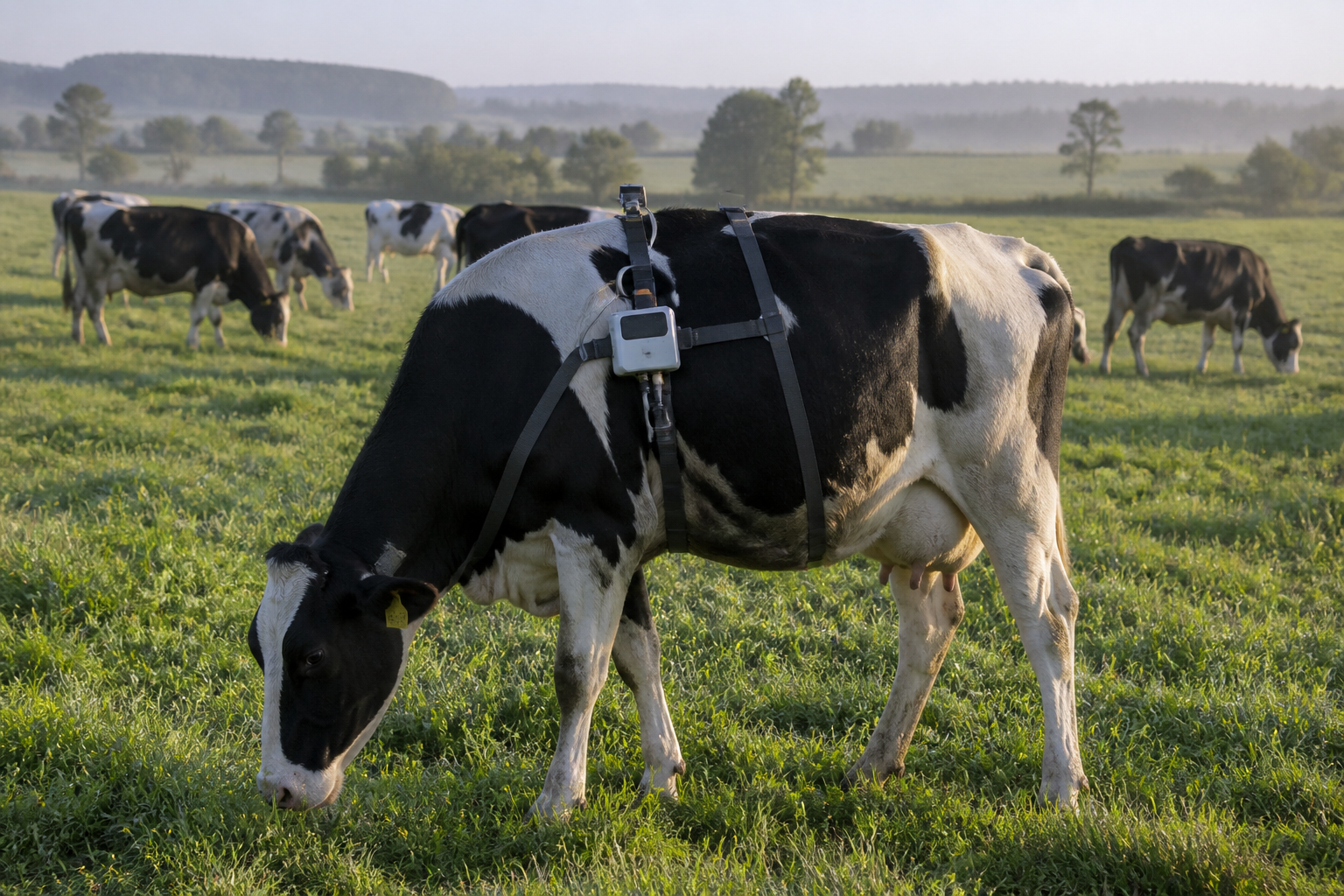
Livestock emissions represent a massive portion of the global warming footprint, yet they receive a fraction of the attention given to coal, oil, and gas. The FAO (2013) established that the sector accounts for 14.5% of global emissions, which is roughly equivalent to the entire global transportation sector, including all cars, planes, and ships combined.
| Sector | % of Global GHGs | Primary Gases | Mitigation Strategy at COP | | :--- | :--- | :--- | :--- | | Energy/Electricity | ~25-30% | CO2 | Renewables, Efficiency | | Agriculture (Livestock) | ~14.5% | Methane, Nitrous Oxide | Efficiency (rarely reduction) | | Transportation | ~14-16% | CO2 | Electrification, Biofuels | | Industry | ~21% | CO2, Chemicals | Carbon Capture, Green Hydrogen |
Dr. Hayek points out that the type of gas matters as much as the volume. Livestock are the largest source of anthropogenic methane, a short-lived but potent climate pollutant. Over a 20-year period, methane is more than 80 times more powerful at trapping heat than carbon dioxide. By ignoring the COP meat question, negotiators are essentially ignoring the 'fastest' lever we have to slow atmospheric warming in the next two decades.
Q: Is there a conflict between 'food security' and 'meat reduction' in these talks?
Yes, the term 'food security' is often used by negotiators as a shield to avoid discussing dietary shifts. In the context of the Global South, livestock can be a vital source of protein and a form of mobile banking for smallholder farmers. When the COP meat question is raised, it is often countered by the argument that restricting animal agriculture would harm the world's most vulnerable populations.
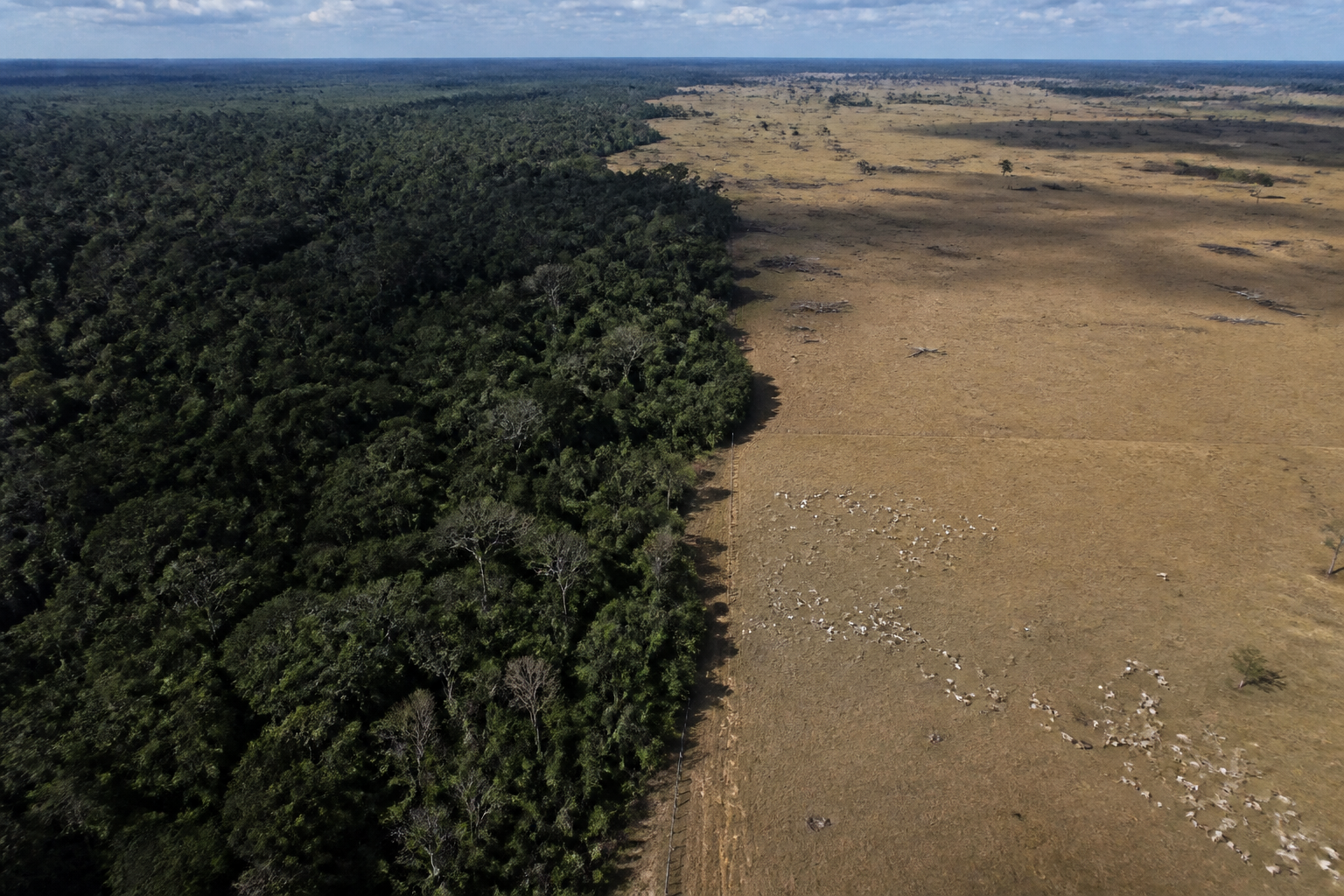
However, Dr. Hayek argues this is often a false dichotomy. The Oxford Poore-Nemecek (2018) study demonstrated that while meat and dairy provide only 18% of global calories, they use 83% of all available farmland. In reality, the massive land requirements for cattle ranching and feed crops (like soy and corn) often displace local food production and drive deforestation in the Amazon and Cerrado regions.
"We are currently in a situation where the inefficiency of the livestock system actually threatens long-term food security by consuming resources that could more efficiently feed humans directly, all while accelerating the climate instability that makes farming harder."
Q: What happened at COP28 regarding the food system?
COP28 in Dubai (2023) was historic because it was the first summit to give food systems a seat at the main table. The Emirates Declaration on Sustainable Agriculture was signed by over 150 nations, signaling a recognition that we cannot reach net-zero without addressing how we grow our food. However, the COP meat question was still largely sanitized.
1. The declaration focused on 'regenerative agriculture' and 'efficiency' rather than consumption limits. 2. It encouraged 'innovation' in animal feed to reduce methane but did not mention reducing herd sizes. 3. It prioritized 'technical fixes' that allow the industry to continue mostly as-is, rather than structural dietary shifts.
Dr. Hayek notes that while this was a step forward, it reflected the power of the agri-food lobby. At COP28, there were a record number of delegates from the meat and dairy industries—over 300, according to analysis by the Guardian and DeSmog. These representatives work tirelessly to ensure that any mention of 'less meat' is replaced with 'more efficient meat.'
Q: Can we actually meet the Paris Agreement targets without addressing the meat question?
Research suggests it is mathematically impossible to meet the 1.5°C target without addressing the COP meat question. A landmark study by Clark et al. (2020) in *Science* found that even if we stopped burning all fossil fuels tomorrow, our current food system would still push us past the 1.5°C limit by the end of the century.
- Land Use: Animal agriculture is the primary driver of biodiversity loss and habitat destruction.
- Carbon Opportunity Cost: If land currently used for grazing were restored to natural forests or grasslands, it could sequester massive amounts of CO2.
- Nitrous Oxide: Fertilizer used for feed crops is a major source of N2O, which stays in the atmosphere for over 100 years.
Dr. Hayek emphasizes the 'carbon opportunity cost'. It isn't just about the emissions the cows produce; it's about the carbon that *isn't* being stored in the trees and soil that were cleared to make room for the cows. This 'missing' carbon is rarely accounted for in national NDCs (Nationally Determined Contributions).
Q: What would a 'meat-inclusive' COP agreement look like?
A truly effective agreement that tackles the COP meat question would look very different from current vague declarations. It would involve specific, measurable targets for reducing the environmental footprint of diets, particularly in high-income nations where meat consumption is far above nutritional requirements.
Dr. Hayek suggests that a bold climate treaty would include:
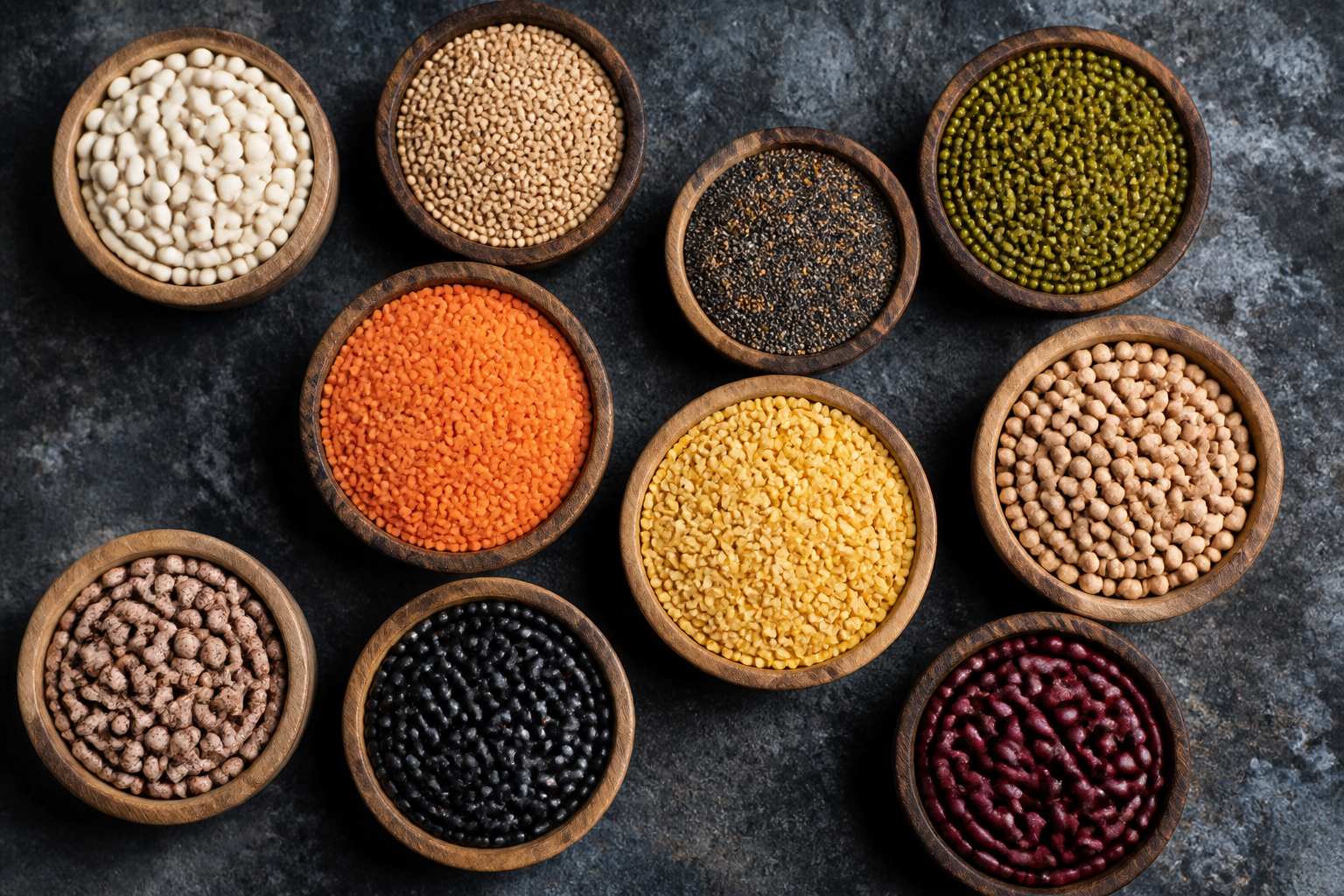
1. Subsidy Reform: Redirecting the billions of dollars currently spent supporting high-emission livestock toward plant-based proteins and fruit/vegetable production. 2. Public Procurement: Commitments by governments to serve plant-forward meals in schools, hospitals, and government buildings. 3. Just Transition for Farmers: Financial support to help livestock farmers transition to carbon farming, rewilding, or growing crops for direct human consumption. 4. Transparency in Reporting: Requiring nations to include the full life-cycle emissions of their agricultural sectors, including imported feed and land-use change, in their official reports to the UNFCCC.
Until these concrete steps are taken, the COP meat question will continue to be a quiet omission that undermines the very goals these summits claim to pursue. The science is clear: we cannot negotiate with the laws of physics, and the physics of our current food system are incompatible with a stable climate.
Q: Are you hopeful that future COPs will finally address this?
There is a growing movement of scientists, youth activists, and even some progressive nations (like Denmark, which recently introduced a carbon tax on livestock) that are pushing the COP meat question to the forefront. The inclusion of food at COP28 was a crack in the door, but it will take sustained pressure to swing it open.
Dr. Hayek believes that as the physical impacts of climate change—like droughts and floods—increasingly disrupt the food supply, the economic argument for a more resilient, plant-based food system will become undeniable. The question is whether we will make this transition by design or by disaster. For now, the silence at the top levels of diplomacy remains the greatest hurdle.
FAQ
- Why is the COP meat question rarely addressed in official climate pacts?
- The COP meat question is sidelined because food is considered a sovereign cultural issue and a sensitive trade commodity. Unlike coal plants, which are centralized, livestock production involves millions of individual farmers and deeply ingrained consumer habits, making it a 'political third rail' that many developing and developed nations refuse to touch during consensus-based negotiations.
- What percentage of emissions come from animal agriculture?
- According to the FAO (2013), livestock contributes 14.5% of all human-induced greenhouse gas emissions. However, more recent studies, including Twine (2021), suggest that when accounting for land-use changes and updated methane metrics, the figure could be significantly higher, potentially exceeding 20% of the global total.
- Did COP28 address livestock emissions?
- COP28 in Dubai saw the launch of the 'Emirates Declaration on Sustainable Agriculture,' signed by 159 nations. While it acknowledged the role of food systems in climate change, it stopped short of recommending meat consumption limits, focusing instead on 'innovation' and 'efficiency' rather than dietary shifts.
- How does meat consumption affect the Paris Agreement goals?
- Research published in Science (2020) by Clark et al. indicates that even if fossil fuel emissions were eliminated immediately, current food system trends would make it impossible to limit warming to 1.5°C. Reducing animal agriculture is therefore essential to meeting the Paris Agreement's long-term temperature targets.
- Why do governments prioritize energy over food in climate talks?
- Governments prioritize energy because the technology for transition, such as solar and wind, is economically competitive and less culturally disruptive. Food systems involve complex land rights and food security concerns, leading negotiators to focus on 'decarbonizing the grid' rather than 'decarbonizing the plate.'
Sources
- Reducing food’s environmental impacts through producers and consumers — Science (Poore & Nemecek)
- Global greenhouse gas emissions from animal-based foods are twice those of plant-based foods — Nature Food
- Global food system emissions could preclude achieving the 1.5° and 2°C climate change targets — Science (Clark et al.)
- Tackling Climate Change Through Livestock — FAO