plant based gut health
Plant Based Gut Health Proves Diversity Beats Isolated Fiber
Optimizing plant based gut health requires eating dozens of distinct species each week to nourish your microbiome, unlocking resilient immunity and digestion.
Published October 16, 2026 · 7 min read
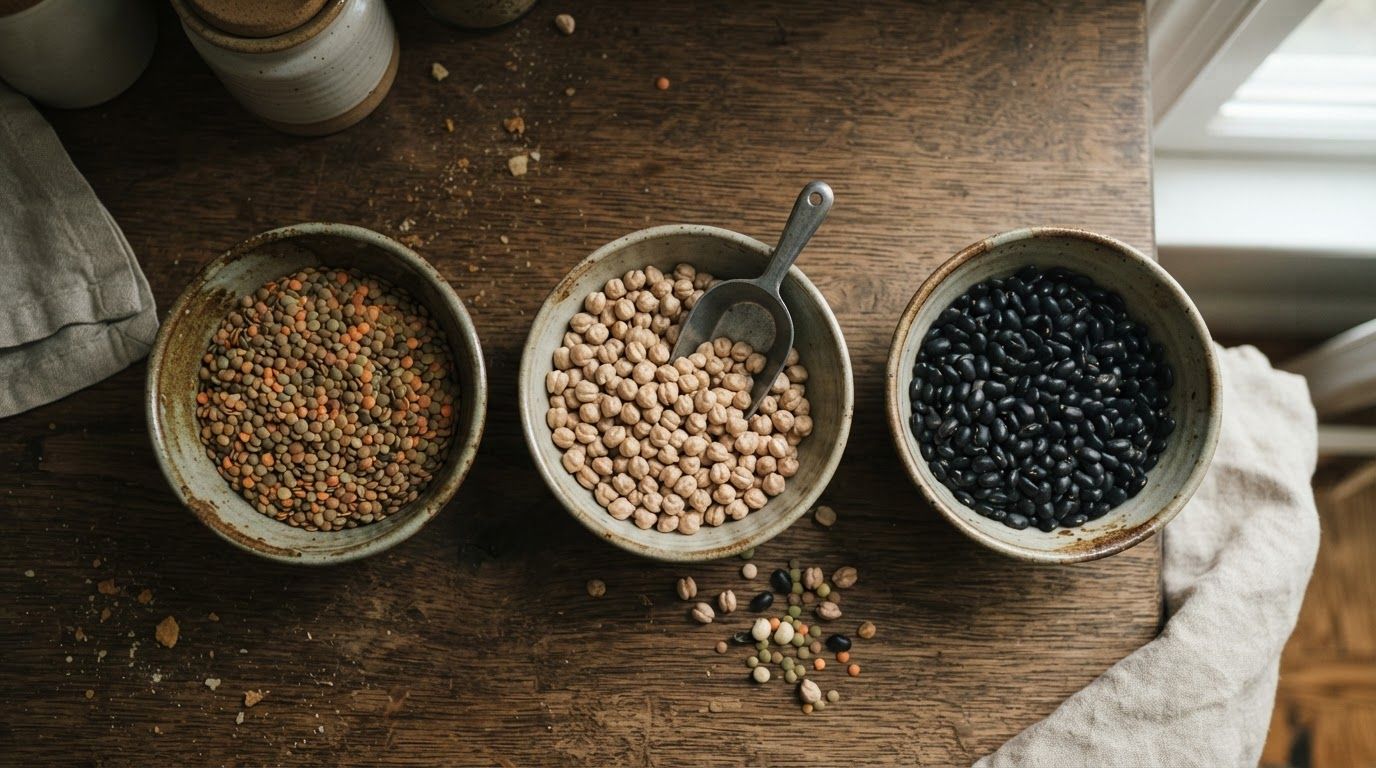
Image: AI-generated illustration · One Fork
True digestive resilience does not stem from concentrated fiber supplements, but from feeding your colonic microbiome a wide matrix of intact botanical species. A diverse, plant-rich diet provides the chemical complexity required to sustain protective short-chain fatty acid production. By shifting from reductionist nutrient counting to microbial ecology, we cultivate lasting gastrointestinal health.
Achieving optimal digestive function does not depend on single fiber supplements, but on nourishing the colonic microbiome with diverse botanical species. Sustainable plant based gut health develops when resident bacteria ferment intact plant cellular walls into anti-inflammatory short-chain fatty acids, creating an adaptable internal ecosystem that isolated powders and synthetic pills simply cannot match.
For decades, commercial wellness culture has treated the human gastrointestinal tract like a mechanical plumbing system. When transit slows, we are told to buy a tub of psyllium husk; when bloating strikes, we reach for monoculture probiotic capsules claiming fifty billion colony-forming units. This reductionist approach fundamentally misunderstands human physiology. The colon is not an inert pipe waiting to be scrubbed by roughage, nor is it an empty vessel waiting to be seeded by a pill. It is an intricate, highly competitive bioreactor housing roughly 38 trillion microorganisms, representing thousands of bacterial strains whose metabolic output shapes everything from mucosal immunity to neurotransmitter synthesis.
When we look closely at microbial ecology, a single truth becomes inescapable: isolated compounds cannot replace ecological variety. The real engine of gut health is structural, biochemical complexity.
The claim
I argue that genuine gastrointestinal health requires an ecological shift away from isolated prebiotic powders and ultra-processed fiber supplements toward botanical diversity. The human colon is a living fermentation chamber that thrives on chemical complexity; consuming thirty distinct plant species weekly builds an adaptable, resilient microbiome that no single synthesized pill can replicate.
In Western societies, our relationship with dietary bulk has been corrupted by nutrient extraction. The United States Department of Agriculture (USDA) reports that less than 5% of American adults consume the recommended minimum of 28 to 38 grams of dietary fiber daily. In the United Kingdom, the Scientific Advisory Committee on Nutrition (SACN) highlights a comparable deficit, with average adult intake lingering at just 18 grams against a modest 30-gram target. The commercial response to this "fiber gap" has been predictably industrialized: food manufacturers routinely fortify white breads, protein bars, and artificial beverages with purified chicory root extract (inulin), maltodextrin, or powdered methylcellulose.
These isolated supplements are nutritionally hollow substitutions for whole botanical structures. When you strip fiber from its native cellular matrix—divorcing it from the surrounding polyphenols, minerals, resistant starches, and water-binding pectins—you deny resident gut microbes the varied chemical substrates they require to thrive. Promoting plant based gut health demands that we treat the microbiome as a community of specialized biological guilds, each adapted to digest distinct complex carbohydrates that synthetic additives cannot provide.
The evidence
Multiple landmark cohort studies demonstrate that botanical diversity and unprocessed plant foods rapidly remodel the human microbiome. Large-scale metagenomic sequencing confirms that consuming distinct plant varieties expands microbial gene richness, stimulates short-chain fatty acid synthesis, and lowers systemic inflammatory markers far more effectively than consuming equivalent quantities of isolated fibers or animal proteins.
Consider the empirical foundation established by the American Gut Project, the largest citizen-science microbiome initiative ever conducted, led by Dr. Rob Knight at the University of California San Diego in collaboration with Prof. Tim Spector at King's College London (McDonald et al., 2018, *mSystems*). Analyzing fecal samples from over 10,000 participants across the United States, the United Kingdom, and Australia, the researchers discovered a striking dividing line. Participants who consumed more than 30 distinct types of plants per week harbored significantly more diverse gut microbiomes than those who consumed 10 or fewer.
Crucially, this diversity advantage was independent of whether participants identified as strictly vegan, vegetarian, or omnivorous. An omnivore who ate 30 plants a week—incorporating diverse legumes, whole grains, herbs, brassicas, nuts, and roots—cultivated a far more resilient microbial ecosystem than a vegetarian who ate identical portions of processed soy meat, white pasta, and refined bread day after day. The researchers also noted that the high-diversity cohort carried significantly fewer antibiotic-resistance genes within their microbial populations.
"The number of plant types in a person's diet is the single most powerful predictor of gut microbial diversity, outperforming macronutrient ratios, caloric intake, and demographic variables." — Dr. Rob Knight, *mSystems* (2018)
A second pivotal study from the Stanford University School of Medicine, published in *Cell* by Wastyk et al. (2021), examined how specific dietary paradigms alter the internal flora. Led by microbiologists Justin Sonnenburg and Erica Sonnenburg alongside nutritional scientist Christopher Gardner, the 10-week randomized clinical trial assigned healthy adults to either a high-fiber plant diet or a high-fermented food diet. The high-fiber group, which ramped up their intake of whole fiber foods from an average of 21 grams to 45 grams daily, exhibited marked increases in microbiome functional capacity, upregulating bacterial glycan-degrading enzymes.
Further reinforcing this mechanism, the PREDICT 1 study (Asnicar et al., 2021, *Nature Medicine*), which tracked 1,098 individuals, identified clear segregations between "good" and "bad" microbes based on food choices. Minimally processed plant foods were consistently linked to taxa such as *Faecalibacterium prausnitzii* and *Roseburia*, known for producing anti-inflammatory metabolites that suppress postprandial blood sugar spikes and lower circulating cardiovascular markers.
Finally, early work by David et al. (2014) in *Nature* demonstrated how quickly the gut responds to extreme shifts. Within just 24 to 48 hours of switching human volunteers from a plant-rich diet to an entirely animal-based diet of meats and cheeses, their microbiomes experienced a collapse in plant-polysaccharide-degrading taxa (*Roseburia*, *Eubacterium rectale*) and a dramatic bloom of bile-tolerant microbes like *Bilophila wadsworthia*. This bacterium produces hydrogen sulfide and has been directly implicated in chronic intestinal inflammation.

Plant based gut health and microbial ecology
Intestinal microbes process intact plant carbohydrates through complex metabolic cascades that directly govern human metabolic and immune function. When symbiotic colonic bacteria ferment diverse fiber foods, they generate vital short-chain fatty acids gut compounds like butyrate, acetate, and propionate, which strengthen gut barrier integrity, regulate blood glucose, and quiet chronic inflammatory pathways.
When we digest our food, human enzymes in the stomach and small intestine are only capable of breaking down simple starches, proteins, and fats. They cannot break the beta-glycosidic bonds that hold plant cell walls together. These non-digestible components—termed Microbiota-Accessible Carbohydrates (MACs)—arrive intact in the cecum and colon. There, the resident flora use an array of carbohydrate-active enzymes (CAZymes) to ferment them.
This process is not carried out by a single super-microbe; it is a relay race. Primary fermenters like *Bacteroides thetaiotaomicron* break complex structural arabinoxylans and pectins into smaller oligosaccharides. Secondary fermenters, including *Faecalibacterium prausnitzii* and *Coprococcus*, consume these intermediate sugars to produce short-chain fatty acids (SCFAs).
The table below illustrates how different classes of plant dietary fibers yield distinct metabolic substrates and downstream physiological benefits throughout the human body:
| Fiber Category | Representative Food Sources | Key Microbial Fermenters | Primary Metabolites | Primary Physiological Action | | :--- | :--- | :--- | :--- | :--- | | Resistant Starch | Cooked and cooled lentils, green bananas, rolled oats | *Ruminococcus bromii*, *Faecalibacterium prausnitzii* | Butyrate | Fuels colonocytes, reinforces intestinal epithelial tight junctions | | Soluble Pectins & Beta-Glucans | Apples, citrus pith, hulless barley, whole groats | *Bifidobacterium longum*, *Bacteroides ovatus* | Acetate, Propionate | Lowers circulating LDL cholesterol, promotes hepatic satiety signaling | | Inulin-type Fructans | Leeks, garlic, onions, Jerusalem artichokes | *Bifidobacterium*, *Lactobacillus* species | Acetate, Lactate | Lowers colonic luminal pH, directly inhibits pathobiont colonization | | Insoluble Cellulose & Lignin | Kale stems, wheat bran, flaxseed hulls, legume skins | Cellulolytic Clostridia, *Fibrobacter* strains | Low-yield SCFAs, inert matrix | Stimulates mucosal peristalsis, binds excess bile acids, accelerates transit |
When people ask, *how does diet affect the microbiome?*, they are often looking for a single superfood answer. Yet the biochemical reality shown above reveals that no single plant source covers every enzymatic requirement. Butyrate, for instance, serves as the primary energy currency for the cells lining your colon (colonocytes), consuming oxygen and maintaining an anaerobic environment that prevents harmful pathogens like *Salmonella* from taking hold. Acetate and propionate travel through the portal vein to the liver, where they suppress cholesterol synthesis and bind to G-protein coupled receptors (GPR41 and GPR43), regulating adipocyte metabolism and downregulating systemic inflammation.

The counter-argument
Critics frequently contend that high-fiber plant diets trigger acute gastrointestinal distress, exacerbate irritable bowel syndrome, and overload the digestive tract with antinutrients. Skeptics emphasize that rapid increases in fermentable oligosaccharides cause painful bloating, while restrictive carnivore or low-FODMAP regimens often offer swift symptomatic relief by suppressing bacterial gas production and colonic distension.
This counter-argument has legitimate clinical backing and deserves an honest assessment. Researchers at Monash University in Melbourne pioneered the low-FODMAP diet (Fermentable Oligosaccharides, Disaccharides, Monosaccharides, and Polyols) after demonstrating that these rapidly fermentable short-chain carbohydrates draw excess water into the small intestine and create rapid gas distension in the colon. For an individual suffering from Irritable Bowel Syndrome (IBS) or Small Intestinal Bacterial Overgrowth (SIBO), consuming a bowl of lentil soup loaded with fructans and galacto-oligosaccharides can produce severe abdominal cramps, visceral hypersensitivity, and debilitating bloating within two hours.
Furthermore, critics pointing to the carnivore diet or ultra-low-carbohydrate protocols observe that eliminating plant fibers frequently causes clinical symptoms of diarrhea and bloating to evaporate overnight. When you remove fermentable carbohydrates, gas production ceases. Proponents of these diets argue that human evolution prioritized nutrient-dense animal tissues and that compounds like lectins, phytates, and oxalates are chemical defenses designed by plants to irritate the mammalian gut lining.
These concerns are not imagined; they reflect the genuine misery felt by patients with compromised gastrointestinal tracts who attempt to switch overnight from a low-fiber Western diet to an aggressive, raw vegan regimen. If eating high-fiber botanicals causes agony, critics ask, how can it possibly be optimal for human health?
Why the evidence still wins
Short-term symptom relief achieved through fiber-restricted elimination diets triggers severe long-term consequences, including microbial starvation and epithelial barrier thinning. Depriving intestinal bacteria of complex carbohydrates forces them to consume host protective mucus, whereas gradual adaptation, careful soaking, and proper culinary techniques allow the microbiome to expand its digestive enzyme capacity safely.
Treating a damaged gut by starving it of plant fiber permanently is like treating an injured leg by permanently choosing a wheelchair: it relieves acute pain while accelerating long-term atrophy. In a seminal 2016 study published in *Cell*, Mahesh Desai and colleagues demonstrated the biological price of fiber starvation. When mice were fed a diet completely stripped of complex plant polysaccharides, their resident gut microbes did not simply vanish—they turned on the host. To survive, the bacteria began secreting mucin-degrading glycoside hydrolases, digesting the host's own protective colonic mucus lining.
Within weeks, the protective physical barrier separating trillions of bacterial cells from the delicate epithelial lining thinned dramatically, leaving the intestinal wall vulnerable to micro-perforations, pathogen invasion, and chronic systemic endotoxemia.
Elimination diets like the low-FODMAP protocol were explicitly developed by Monash researchers as temporary diagnostic tools, not permanent lifestyles. When Halmos et al. (2015) evaluated the long-term impact of low-FODMAP eating in *Gut*, they observed a 74% reduction in beneficial *Bifidobacterium* abundance after just four weeks, alongside significant drops in total fecal SCFA concentrations. Starving the gut of fermentable botanicals eliminates the noise of digestion by devastating the orchestra.
Moreover, the antinutrient panic promoted by carnivore influencers collapses under basic biochemical scrutiny:
- Cooking Neutralization: Standard thermal preparation, boiling, and canning reduce active lectins in beans by more than 99%, rendering them biologically harmless.
- Sprouting and Soaking: Soaking grains and legumes activates endogenous phytases that break down phytic acid, releasing bound minerals like zinc and iron.
- Polyphenol Hormesis: Intact polyphenols and phytates act as subtle prebiotics, binding free radicals and nourishing specialized bacteria that convert them into anti-inflammatory urolithins.
Discomfort during a plant-based transition rarely indicates pathology; it reflects enzymatic lag. If a colonic ecosystem has been starved of complex carbohydrates for twenty years, its populations of *Bifidobacteria* and *Ruminococcus* are severely depleted. Flooding that ecosystem with raw brassicas and unsoaked chickpeas will naturally cause gas accumulation, because the appropriate bacterial enzymatic guilds are not present in sufficient numbers to ferment them smoothly. When introduced gradually, the microbiome shifts its population ratios within weeks, expanding its CAZyme capacity and digesting complex plants with ease.
What should change
Clinical nutrition and public health guidelines must pivot from tracking isolated fiber grams to cultivating botanical diversity across everyday meals. Healthcare systems should prescribe species-rich whole foods, food processors must cease substituting refined inulin for real produce, and consumers should adopt simple habits designed to reach 30 plants a week effortlessly.
We need to fundamentally overhaul how medical professionals, dietitians, and public health agencies communicate dietary fiber. Instead of handing patients an abstract target—such as the standard USDA benchmark of 14 grams of fiber per 1,000 calories—we should encourage them to track species variety across their plates. Counting botanical types shifts focus away from restrictive calorie tracking toward positive, abundance-based eating.
Here is how that transition looks in daily practice:
1. Adopt the Species Diversity Count: Score every distinct grain, legume, nut, seed, vegetable, and fruit as one point for the week. Herbs and spices (like cumin, parsley, oregano, and turmeric) count as a quarter-point each. An eater targeting 30 plants a week can hit their goal simply by blending three varieties of beans rather than cooking one, or buying mixed-seed bags instead of solitary chia seeds. 2. Eliminate the Ultra-Processed Fiber Mirage: Food regulatory bodies should mandate clear labeling that distinguishes between naturally occurring, cellular plant fiber and synthetic, purified prebiotic isolates added to ultra-processed foods. 3. Integrate Daily Fermented Botanicals: Fermented plant foods—such as unpasteurized sauerkraut, traditional kimchi, tempeh, and miso—serve as living biological bridges. As the Sonnenburgs showed at Stanford, consuming fermented foods inoculates the transient digestive tract with lactic acid bacteria and unique enzymatic peptides, significantly lowering inflammatory markers like interleukin-6. 4. Revamp Clinical IBS Protocols: Gastroenterologists should replace open-ended low-FODMAP recommendations with structured, time-limited protocols paired with monitored botanical reintroductions. The primary goal of gastrointestinal medicine must be restoring ecological capacity, not maintaining an ever-shrinking circle of tolerable foods.
Our inner microbial ecosystem does not need another laboratory-formulated pill, nor does it require fear of plant chemistry. It needs the varied botanical heritage our ancestors consumed for millennia. When we feed that living matrix with whole, diverse plants, our microbiome rewards us with physiological resilience that spans our entire lives.
FAQ
- How does diet affect the microbiome over short and long periods?
- Diet alters microbial gene expression within 24 to 48 hours of an intervention, according to research published in Nature by David et al. (2014). However, permanently changing resident microbial community structures and eliminating dysbiosis requires sustained nutritional shifts lasting several months, centered on continuous plant carbohydrate variety.
- Why is plant based gut health superior to taking fiber supplements?
- Plant based gut health relies on thousands of distinct carbohydrate bonds, polyphenols, and cellular structures that nourish diverse bacterial guilds. Fiber supplements provide only isolated, homogenous molecules like psyllium or methylcellulose, which feed narrow bacterial strains and cannot match the broad metabolite output generated by whole botanicals.
- What happens if you do not consume enough fiber foods?
- Depriving gut microbes of fiber foods forces resident bacteria to degrade the protective host colonic mucus layer for survival, as shown by Desai et al. (2016) in Cell. This erosion thins the intestinal barrier, increases intestinal permeability, and allows inflammatory endotoxins like lipopolysaccharides to enter systemic circulation.
- How can beginners hit the target of 30 plants a week?
- Reaching 30 plants a week is achieved by counting distinct botanical species across six categories: whole grains, legumes, vegetables, fruits, nuts, and seeds. Adding a tablespoon of mixed seeds to porridge, using mixed leafy greens, and cooking multi-bean stews allows eaters to hit the benchmark within four days.
- Do legumes and whole grains cause gut inflammation through lectins?
- No, standard cooking methods like boiling, soaking, and pressure cooking deactivate more than 99% of plant lectins and phytates. Clinical studies consistently show that consumers of whole legumes experience reduced systemic inflammation markers, such as high-sensitivity C-reactive protein, due to the beneficial short-chain fatty acids produced during fermentation.
Sources
- American Gut: an Open Platform for Citizen-Science Microbiome Research — mSystems (American Society for Microbiology)
- Gut-microbiota-targeted diets modulate human immune status — Cell
- Microbiome connections with host metabolism and habitual diet from 1,098 deeply phenotyped individuals — Nature Medicine
- Diet rapidly and reproducibly alters the human gut microbiome — Nature
- A dietary fiber-deprived gut microbiota degrades the colonic mucus barrier and enhances pathogen susceptibility — Cell