nutrition
Algae Oil vs Fish Oil: Why Algae is the Superior Omega-3 Source
Discover why algae oil is a purer, more sustainable source of EPA and DHA than fish oil. Learn about bioequivalence, safety, and environmental impact.
Published June 25, 2026 · 7 min read
Image: AI-generated illustration · One Fork
Algae oil provides a direct, bioequivalent source of EPA and DHA that outperforms fish oil in purity and sustainability. By harvesting omega-3s from the original source—microalgae—consumers can avoid ocean toxins while protecting marine ecosystems.
For generations, the ritual of the morning supplement has often involved a distinct, oceanic scent. The fish oil industry, currently valued at billions of dollars annually, built its empire on a fundamental biological truth: human beings require long-chain omega-3 fatty acids—specifically eicosapentaenoic acid (EPA) and docosahexaenoic acid (DHA)—for optimal brain function, cardiovascular health, and the management of systemic inflammation. Yet, a quiet revolution is taking place in the nutrient market. It stems from a simple, often overlooked biological fact: fish do not actually produce omega-3s. Like us, they must obtain them through their diet by consuming microalgae.
By bypassing the fish and harvesting these fatty acids directly from the source, scientists and nutritionists are discovering a more efficient, sustainable, and potentially safer way to nourish the human body. This shift from fish oil to algae oil isn't just a trend for the plant-based community; it is an evidence-based pivot that addresses the twin challenges of a degrading marine ecosystem and the rising concern over bioaccumulated toxins in our food chain.
The Biological Middleman
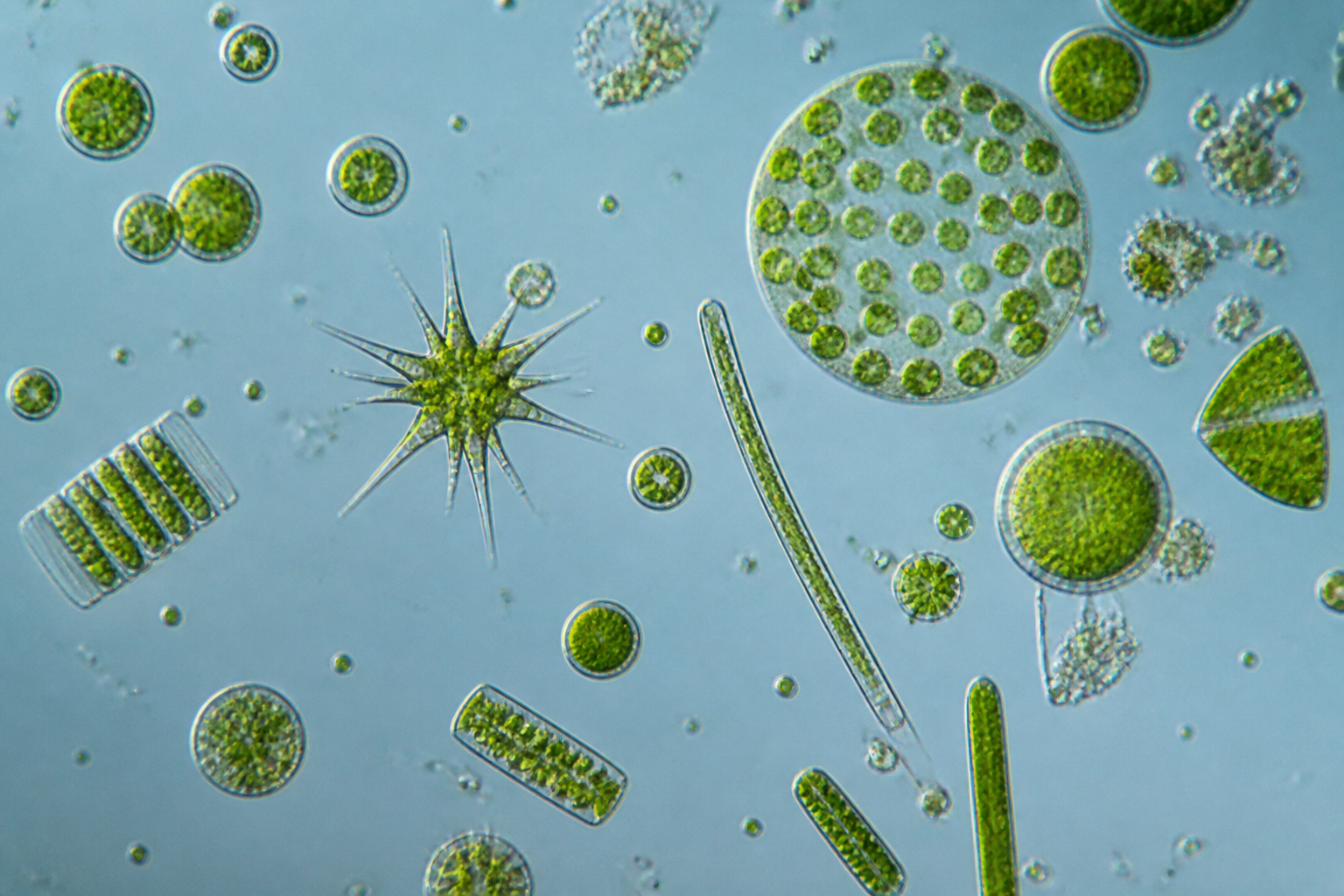
To understand why algae oil is gaining traction, we must first look at the trophic levels of the ocean. In the wild, microscopic algae (phytoplankton) synthesize EPA and DHA through photosynthesis. Small forage fish, such as anchovies, sardines, and menhaden, consume the algae. Larger predatory fish then consume the smaller ones, concentrating the omega-3s in their fatty tissues.
When humans consume fish oil, we are participating in a multi-step extraction process that is inherently inefficient. According to research published by the United Nations Food and Agriculture Organization (FAO), nearly 20 million tons of wild-caught fish are diverted each year toward the production of fishmeal and fish oil. This 'reduction fishery' industry places immense pressure on the base of the marine food web.
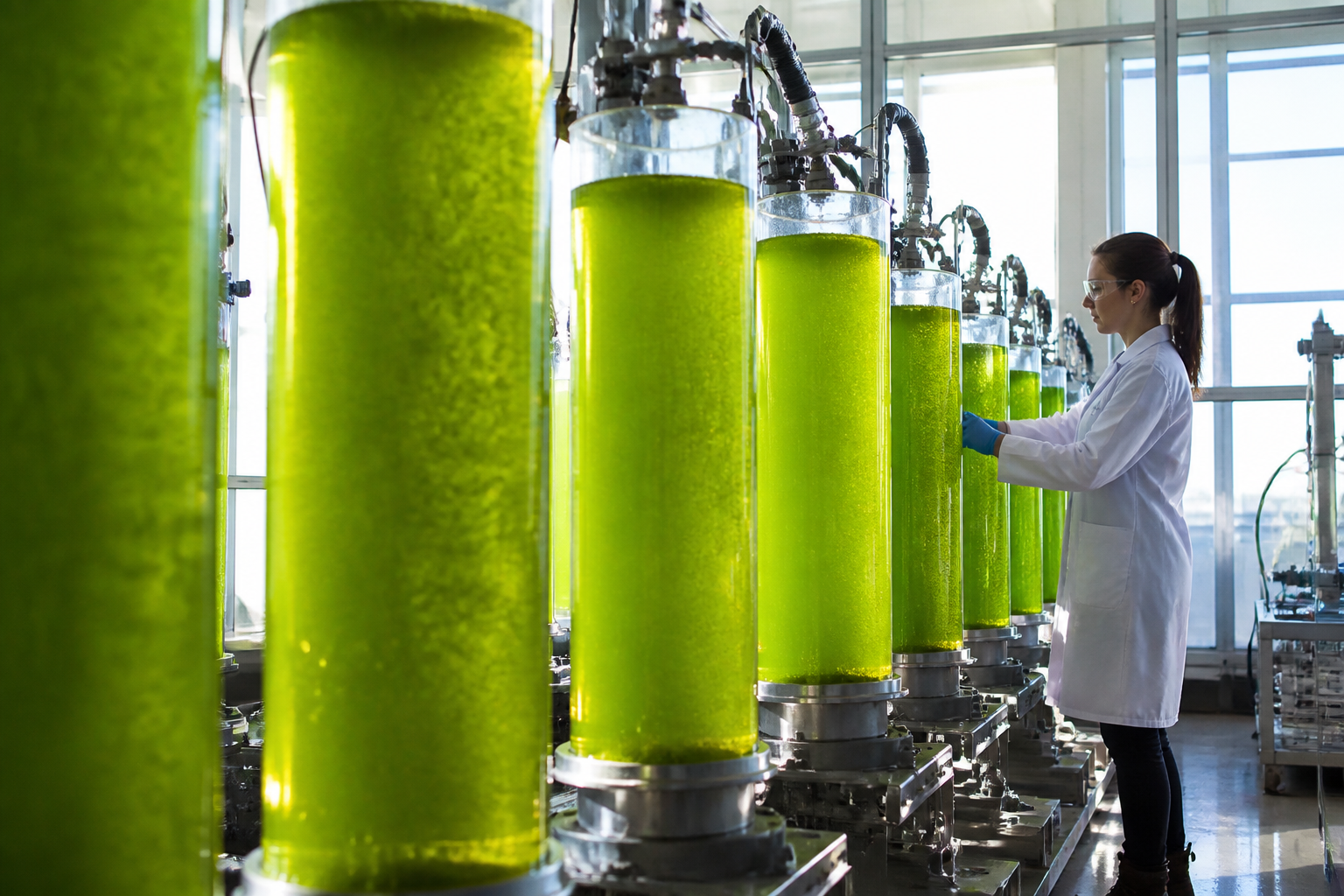
Algae oil, by contrast, is produced in controlled fermentation tanks on land. Using strains like *Schizochytrium sp.*, producers can grow vast quantities of omega-3-rich biomass without ever casting a net. This process is not only more scalable but fundamentally more respectful of marine biodiversity. Dr. Joseph Hibbeln, a leading researcher at the National Institutes of Health (NIH), has long noted the importance of omega-3s for neurodevelopment and mental health; moving to a primary source like algae ensures these vital nutrients remain available even as wild fish stocks face the pressures of climate change and overfishing.
Purity in a Plastic World
One of the most compelling arguments for the switch to algae is the issue of bioaccumulation. Our oceans act as a sink for industrial runoff, including heavy metals like mercury, lead, and cadmium, as well as persistent organic pollutants (POPs) like PCBs and dioxins. Because fish are higher up the food chain, they accumulate these toxins in their fat over time.
While high-quality fish oil manufacturers use molecular distillation to strip away these contaminants, the process is intensive and not always perfect. Furthermore, a newer threat has emerged: microplastics. A study published in Environmental Science & Technology estimated that humans consume tens of thousands of microplastic particles annually, with seafood being a significant vector.
"The transition to algae-based omega-3s represents a rare 'win-win' in nutrition science—offering a product that is bioequivalent to fish oil but carries a significantly lower risk of environmental contamination."
Because algae oil is grown in closed-loop, pharmaceutical-grade stainless steel bioreactors, it is never exposed to ocean-borne pollutants. There is no mercury to filter out because the algae never encountered it. For pregnant women and children—two groups for whom DHA is critical for hippocampal development—this inherent purity provides a layer of safety that the traditional fishing industry struggles to match.
Bioequivalence: Does It Actually Work?
A common misconception is that plant-based omega-3s are inferior to animal-based ones. This confusion often stems from the difference between Alpha-linolenic acid (ALA), found in flax and walnuts, and the long-chain EPA/DHA found in marine sources. The human body is notoriously inefficient at converting ALA into EPA and DHA, often with conversion rates as low as 1% to 5%.
However, algae oil is not ALA. It is a direct source of EPA and DHA, just like fish oil. A landmark study published in the journal Clinical Nutrition compared the bioavailability of DHA from algae oil to that of cooked salmon and found them to be bioequivalent. Another randomized controlled trial published in the Journal of the Academy of Nutrition and Dietetics concluded that algal oil capsules and cooked salmon appear to be bioequivalent in providing DHA to plasma and red blood cells.
- Stability: Algae oil is often more stable than fish oil. Fish oil is highly prone to oxidation (rancidity), which not only causes the 'fishy burp' but can actually be pro-inflammatory if consumed in an oxidized state.
- Customization: Because algae are grown in a lab-like setting, technicians can adjust the ratios of EPA to DHA to meet specific health needs, such as higher DHA for prenatal support or higher EPA for cardiovascular anti-inflammatory effects.
- Taste and Smell: Without the presence of fish proteins and the oxidative products of fish fat, algae oil has a much more neutral sensory profile.
The Sustainability Imperative
The environmental footprint of fish oil is staggering. The Oxford University study by Poore and Nemecek (2018), often cited as the most comprehensive analysis of the environmental impact of food, highlights how different production methods tax the planet. Producing omega-3s through industrial fishing involves high carbon emissions from trawlers and the risk of 'bycatch'—the accidental killing of dolphins, sharks, and sea turtles.
As the global population heads toward 10 billion, the demand for omega-3s will only increase. We simply do not have enough fish in the sea to provide every human with the World Health Organization (WHO) recommended daily intake of EPA and DHA through fish oil alone. Algae oil offers a vertical solution: it uses minimal land, requires no pesticides, and consumes significantly less water than land-based animal farming or large-scale aquaculture.
According to data from Our World in Data, nearly 34% of global fish stocks are currently overfished. By shifting the market demand toward algae, we allow these ecosystems a chance to recover. This is the 'quiet' part of the transition; it is a change in the supply chain that the consumer feels only as a cleaner taste, but the ocean feels as a reprieve from industrial extraction.
Addressing the Cost Barrier
Historically, the primary hurdle for algae oil has been price. Fish oil is a byproduct of the massive fishmeal industry, making it artificially cheap. Algae cultivation, requiring sophisticated bioreactors and specialized light/temperature controls, was once significantly more expensive.
However, the gap is closing. As fermentation technology improves and scale increases, the cost per milligram of DHA from algae is approaching parity with high-quality, purified fish oils. Furthermore, when one factors in the 'externalities'—the cost of environmental degradation and the health costs of potential contaminant exposure—algae oil begins to look like the more economical choice for society at large.
Major retailers and health brands are taking notice. We are seeing a move toward 'algal-first' formulations in infant formula and high-end prenatal vitamins. The Global Organization for EPA and DHA Omega-3s (GOED) has noted a significant uptick in the market share of algal-derived oils as consumers become more discerning about the origins of their supplements.
A New Standard for Health
Choosing algae oil is an act of efficiency. It acknowledges that the fish is a middleman we no longer need to employ. It recognizes that in the 21st century, our 'wild' food sources are increasingly compromised by industrial history.
For the individual, the benefits are clear: a high-potency, highly absorbable source of essential fatty acids without the risk of heavy metals or the unpleasantness of fishy oxidation. For the planet, the benefits are even greater: a reduction in the pressure on forage fish populations that serve as the heartbeat of our oceanic ecosystems.
As we look to the future of evidence-based nutrition, the goal is to find the most direct path between the sun's energy and human health. Algae, the tiny organisms that have powered the oceans for billions of years, are finally taking their place at the center of the human plate. It is a quieter, cleaner, and ultimately more sustainable way to thrive.

Conclusion
The narrative of nutrition is shifting from 'more is better' to 'better is better.' While fish oil served its purpose in the early days of nutritional supplementation, we now have the technology to do better. By embracing algae oil, we are not just making a choice for our own cardiovascular or cognitive health; we are making a choice for the health of the planet. The transition to algae oil represents the maturity of the supplement industry—a move away from extraction and toward cultivation.
Oxidative Stability and the End of the Fishy Burp
Algae oil demonstrates superior oxidative stability compared to fish oil because it is harvested in controlled, oxygen-free environments and contains natural antioxidants like tocopherols. Unlike fish oil, which often undergoes significant degradation during the long supply chain from sea to shelf, algal DHA remains chemically stable, preventing the formation of pro-inflammatory lipid peroxides. According to a study published in *Journal of the American Oil Chemists' Society* (2021), algal oils typically maintain a lower Peroxide Value (PV), which is the primary marker for rancidity and the cause of unpleasant 'fishy' reflux.
The enhanced stability of microalgae offers several clinical and sensory advantages:
* Neutral Sensory Profile: Pure algal oil is virtually tasteless, making it easier to incorporate into functional foods and pediatric supplements. * Reduced Gastric Distress: The absence of volatile oxidative byproducts eliminates the nausea and repeating associated with degraded fish lipids. * Longer Shelf Life: The precision of indoor fermentation allows for a standardized product that resists light and temperature fluctuations more effectively than bulk-processed marine oils.
By utilizing species like *Aurantiochytrium*, producers can ensure a high-potency concentrate that bypasses the extraction of proteins that typically trigger sensitivities. This makes it an ideal intervention for patients requiring high-dose EPA and DHA for lipid management without the compliance hurdles of traditional fish oil.
<!-- one-fork:related-links -->
Deep Dive: Marine Nutrition & Sustainability
<!-- /one-fork:related-links -->
FAQ
- Is algae oil as effective as fish oil for heart health?
- Yes. Research published in *The Journal of Nutrition* (2021) confirms that algae oil is bioequivalent to fish oil. It effectively raises the Omega-3 Index, a key marker for cardiovascular health, by delivering direct EPA and DHA without the risk of ocean-borne contaminants or microplastics found in many commercial fish oils.
- Does algae oil contain both EPA and DHA?
- While early algae supplements focused primarily on DHA, modern fermentation of specific strains like *Schizochytrium* now provides significant levels of both EPA and DHA. According to the Global Organization for EPA and DHA Omega-3s (GOED), these algal sources provide the same long-chain fatty acids found in fatty fish like salmon.
- How does the carbon footprint of algae oil compare to fish oil?
- Algae oil is significantly more sustainable, as it is grown in land-based bioreactors using renewable energy and sugar sources. A life cycle assessment (2022) indicates that algal oil production can reduce greenhouse gas emissions by up to 50% compared to traditional reduction fisheries that rely on carbon-intensive trawling vessels.
- Can algae oil help with joint inflammation?
- Algae oil contains high concentrations of EPA, which acts as a precursor to anti-inflammatory signaling molecules called resolvins. Clinical trials, including those cited by the Arthritis Foundation, show that marine-sourced omega-3s—whether from fish or algae—help reduce joint stiffness and the need for NSAID medications in rheumatoid arthritis patients.
Sources
- Algal-oil capsules and cooked salmon: nutritionally equivalent sources of docosahexaenoic acid — Journal of the Academy of Nutrition and Dietetics
- Environmental impacts of food production — Our World in Data
- The State of World Fisheries and Aquaculture — Food and Agriculture Organization of the United Nations
- Bioavailability of EPA and DHA from algal oil relative to fish oil — Clinical Nutrition
- Microplastics in the Marine Environment — Environmental Science & Technology
- Bioavailability and potential uses of algal oil as a source of omega-3 fatty acids — National Institutes of Health
- State of World Fisheries and Aquaculture 2022 — Food and Agriculture Organization of the United Nations
- Algal-oil capsules and cooked salmon: nutritionally equivalent sources of docosahexaenoic acid — Journal of the Academy of Nutrition and Dietetics