complete protein myth
A beginner's guide to the complete protein myth
Discover why the complete protein myth is outdated and learn how a varied plant-based diet provides all essential amino acids for optimal health.
Published August 5, 2026 · 7 min read
Image: AI-generated illustration · One Fork
The idea that plant-based eaters must carefully combine specific foods at every meal to get enough protein is a dietary misconception. Modern nutritional science confirms that as long as you consume adequate calories from a variety of whole plants, your body naturally assembles a full amino acid profile over the course of the day.
The complete protein myth is the scientifically inaccurate belief that plant-based foods lack certain essential amino acids and must be strategically paired—such as beans with rice—at every meal to support human health. Modern nutritional science, supported by the Academy of Nutrition and Dietetics, confirms that a variety of plant foods consumed over the course of a day provides all nine essential amino acids required by the human body. Understanding the complete protein myth is essential for anyone transitioning to a plant-based diet, as it simplifies meal planning and removes unnecessary dietary anxiety.
What it is
The complete protein myth refers to the debunked theory that plant proteins are 'incomplete' or 'low-quality' compared to animal proteins. It suggests that plants lack the specific building blocks necessary for muscle repair and metabolic function unless eaten in precise combinations. In reality, all plant foods contain every essential amino acid, just in varying ratios that the body easily manages through an internal amino acid pool.
Historically, this concept gained mainstream traction in the 1970s. It was popularized by the idea that because certain plants have a 'limiting amino acid'—a specific amino acid present in a lower quantity—they could not support life on their own. However, the World Health Organization (WHO) and other health bodies have clarified that the human body does not require these building blocks to arrive simultaneously. As long as the total caloric intake is sufficient and the diet is diverse, the body creates a 'complete' profile internally.
| Amino Acid Type | Function | Common Plant Sources | | :--- | :--- | :--- | | Leucine | Muscle protein synthesis | Soy, Lentils, Pumpkin seeds | | Lysine | Tissue repair & collagen | Beans, Quinoa, Pistachios | | Methionine | Metabolism & detox | Brazil nuts, Oats, Sesame | | Tryptophan | Serotonin production | Tofu, Oats, Peanuts | | Valine | Muscle growth & energy | Mushrooms, Soy, Whole grains |
Why it matters
Moving past the complete protein myth matters because it lowers the barrier to entry for sustainable, plant-based eating patterns that benefit both personal health and the environment. When individuals believe plant protein is inferior, they may consume excessive animal products, which the International Agency for Research on Cancer (IARC) has linked to increased risks of certain diseases. Recognizing plant protein sufficiency allows for a more flexible and affordable diet.
Furthermore, scientific data from the Oxford Poore-Nemecek study (2018) indicates that shifting toward plant protein is one of the most effective ways to reduce an individual’s environmental footprint. If consumers are paralyzed by the fear of 'incomplete' proteins, they may miss out on the fiber and phytonutrients found in legumes and grains. The American Heart Association now emphasizes that getting protein from plants rather than animals can lower the risk of heart disease and type 2 diabetes.
"The 'protein combining' theory is not only unnecessary but has no basis in human physiology. The body maintains a reservoir of amino acids to ensure that all proteins can be built as needed, regardless of what was in the last sandwich you ate." — *Dr. John McDougall, author and dietary researcher.*
Key terms
- Essential Amino Acids (EAAs): The nine amino acids (histidine, isoleucine, leucine, lysine, methionine, phenylalanine, threonine, tryptophan, and valine) that the human body cannot synthesize on its own and must obtain from food.
- Limiting Amino Acid: The specific essential amino acid found in the smallest quantity in a particular food item relative to human requirements.
- Amino Acid Pool: A biological reserve of free amino acids located in the blood and liver that the body uses to synthesize new proteins throughout the day.
- Bioavailability: The proportion of a nutrient that is digested, absorbed, and utilized by the body; plant proteins often have slightly lower bioavailability due to fiber, but this is easily compensated for by volume.
- PDCAAS: The Protein Digestibility Corrected Amino Acid Score, a method of evaluating protein quality based on both the amino acid requirements of humans and their ability to digest it.
- Complementary Proteins: Two or more incomplete protein sources that, when eaten together (or within the same day), provide a full profile of all essential amino acids.
Getting started
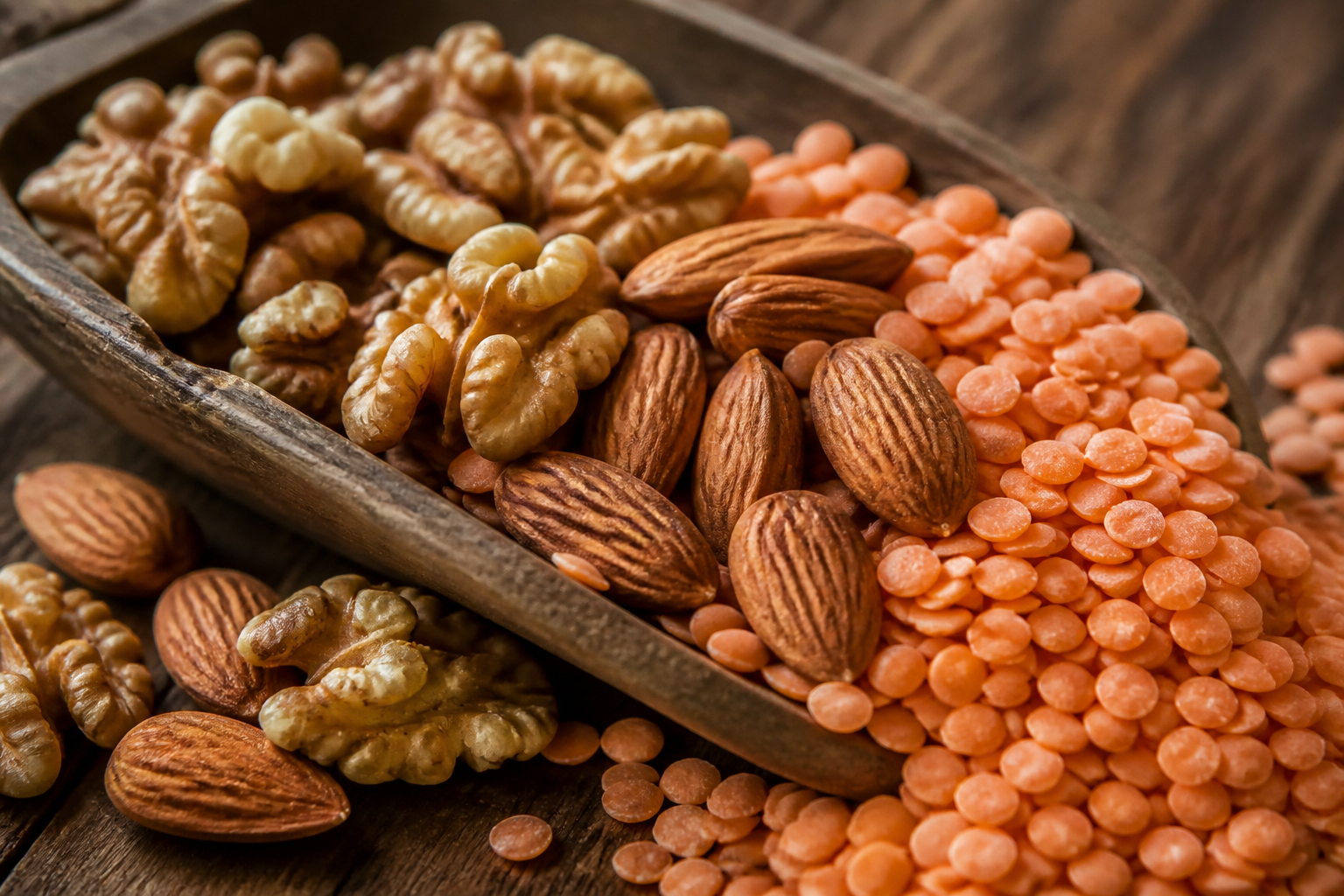
1. Diversify your plate: Instead of worrying about specific pairings, focus on eating a variety of legumes, whole grains, nuts, and seeds throughout the week. This naturally ensures a robust essential amino acid profile of plants without the need for complex math. 2. Prioritize whole foods: Choose minimally processed plants like lentils, chickpeas, and quinoa. These provide not just protein, but also the fiber and micronutrients that facilitate better protein utilization in the gut. 3. Include 'power' plants: While all plants contain all amino acids, some like soy (tofu, edamame) and quinoa are particularly high in all nine. Including these 2-3 times a week can provide a dense source of nutrition for those with higher activity levels. 4. Focus on caloric density: Ensure you are eating enough total calories. The most common cause of protein deficiency is not 'poor quality' protein, but simply not eating enough food to meet the body's energy demands. 5. Monitor your energy: As you transition away from animal-heavy diets, track your satiety. Plant proteins are often more filling due to fiber, so you may need to eat a larger volume of food to meet the same protein goals as you did with meat.
Next steps
To continue your journey beyond the complete protein myth, begin exploring the nuances of protein quality in plant based diets through reputable scientific literature. You can investigate how different processing methods, like sprouting or fermenting, improve the bioavailability of amino acids in grains and legumes. Understanding these details helps optimize a diet for long-term health and athletic performance.
Additionally, consider the broader impact of your protein choices. Researching the EAT-Lancet Commission report (2019) will show you how a 'Planetary Health Diet'—which is largely plant-based—can support a growing global population while staying within planetary boundaries. Your next step could be as simple as replacing one meat-based meal a day with a hearty lentil stew or a bean-based chili, knowing that your body is getting everything it needs to thrive.
The Role of Nitrogen Balance
Nitrogen balance is the gold standard for measuring protein adequacy. When scientists measure the nitrogen excreted versus nitrogen consumed, they find that plant-based eaters maintain a healthy balance just as easily as omnivores. The Adventist Health Study-2, which tracked over 70,000 participants, demonstrated that those following plant-based diets lived longer and had lower rates of chronic illness, effectively putting to rest the fear that plant proteins lead to 'wasting' or deficiency.
Comparing Plant vs. Animal Protein Density
| Food Item (100g) | Protein (g) | Key Benefit | Environmental Impact | | :--- | :--- | :--- | :--- | | Lentils (cooked) | 9g | High Fiber | Low (Fixes Nitrogen) | | Tofu (firm) | 8-10g | All 9 EAAs | Low | | Beef (lean) | 26g | B12 Source | High Carbon/Water | | Quinoa (cooked) | 4.4g | Manganese/Magnesium | Moderate | | Pumpkin Seeds | 30g | Zinc/Leucine | Low |
As the table above illustrates, while animal products are more 'dense' in protein per gram, plant sources offer significant secondary benefits like fiber and minerals with a fraction of the environmental cost. By debunking the complete protein myth, we empower ourselves to make dietary choices that are both scientifically sound and ethically responsible.
FAQ
- Is the complete protein myth still taught in medical schools?
- No, most modern curricula have updated their materials. While the complete protein myth persisted for decades following Frances Moore Lappé’s 1971 book, organizations like the American Dietetic Association officially retracted the need for protein combining in 1988, citing that the body effectively pools amino acids from various meals consumed throughout the day.
- Do vegetarians need to combine proteins like beans and rice?
- No, vegetarians do not need to eat specific combinations at the same time. While beans and rice complement each other's amino acid profiles, the liver stores essential amino acids for up to 24 hours. Consuming these foods at different meals is sufficient to meet all metabolic demands according to the World Health Organization (WHO).
- Which plant foods are actually complete proteins?
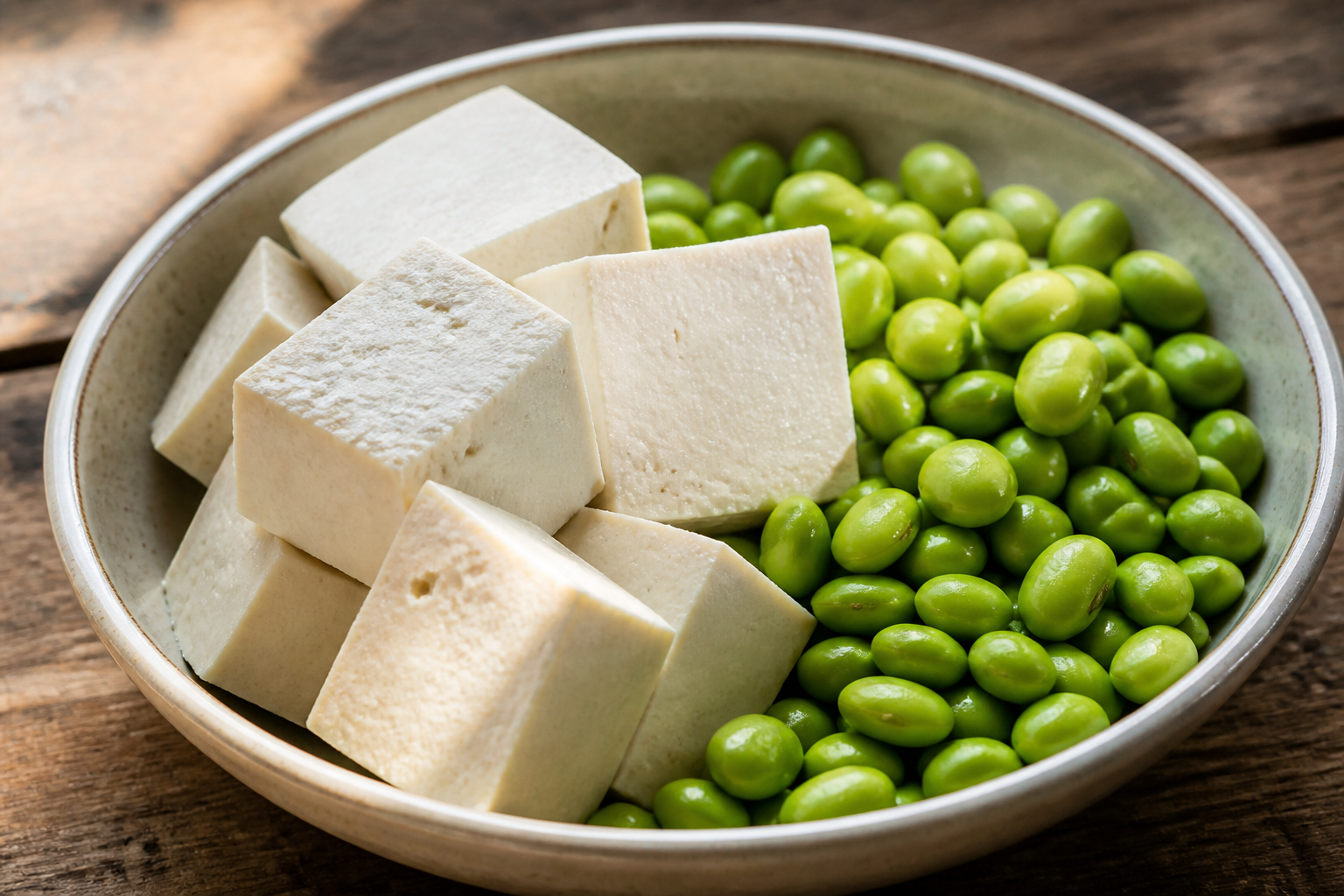
- Several plants are considered 'complete' because they contain high levels of all nine essential amino acids. These include soy products like tofu and tempeh, quinoa, buckwheat, amaranth, hemp seeds, and chia seeds. However, even 'incomplete' plants contain all amino acids, just in lower concentrations of one or two types.
- Can you get enough leucine from plants for muscle growth?
- Yes, leucine is abundant in plant sources like soy, lentils, and pumpkin seeds. A 2017 study published in the American Journal of Clinical Nutrition found that the source of protein—animal or plant—did not affect muscle mass or strength gains when total protein and leucine intake were sufficient.
- Why was the complete protein myth created?
- The myth originated from 1970s research that used rats to measure protein quality. Because rats grow much faster than humans, they have higher requirements for specific amino acids like methionine. This led researchers to erroneously conclude that plant proteins were insufficient for human needs, a claim later debunked by human metabolic studies.
Sources
- Position of the Academy of Nutrition and Dietetics: Vegetarian Diets — Journal of the Academy of Nutrition and Dietetics
- Reducing food’s environmental impacts through producers and consumers — Science (Poore & Nemecek)
- Protein and amino acid requirements in human nutrition — World Health Organization
- Food in the Anthropocene: the EAT–Lancet Commission on healthy diets from sustainable food systems — The Lancet