cheap vegan grocery list
Can You Master a Cheap Vegan Grocery List on a Tight Budget?
Discover how a cheap vegan grocery list can slash your food spending while fueling your body with affordable, nutrient-dense staples for every meal.
Published November 12, 2026 · 5 min read
Image: AI-generated illustration · One Fork
A cheap vegan grocery list relies on buying whole, plant-based staples in bulk to minimize costs while maximizing health outcomes. By focusing on legumes, grains, and seasonal vegetables, you can create delicious, budget-friendly meals that remain well within modest financial constraints.
Creating a cheap vegan grocery list is the most effective way to manage your household budget while supporting your personal health and the environment. By focusing on whole, unprocessed plants, you can easily avoid the price premiums associated with commercial meat alternatives. This guide outlines how to build a sustainable, low-cost pantry filled with versatile and nutrient-dense ingredients.
Why is a cheap vegan grocery list more affordable than other diets?
A cheap vegan grocery list is inherently more affordable because it centers on staple crops that are globally subsidized and inexpensive to produce. According to the FAO (2023), legumes, grains, and tubers require significantly less land, water, and processing than animal-derived proteins, allowing retailers to offer them at a lower price point consistently.
When you stop purchasing expensive animal products, you free up a significant portion of your budget to invest in high-quality whole foods. The logic is simple: meat and dairy are often the most expensive items on a traditional receipt. By swapping these for dried beans, lentils, or bulk rice, you immediately lower your cost per calorie. Research from Poore & Nemecek (2018) published in Science highlights that even the most expensive plant-based proteins are cheaper than the cheapest animal proteins when accounting for the total cost of production and environmental externalities.
Which staples belong on your budget vegan list?
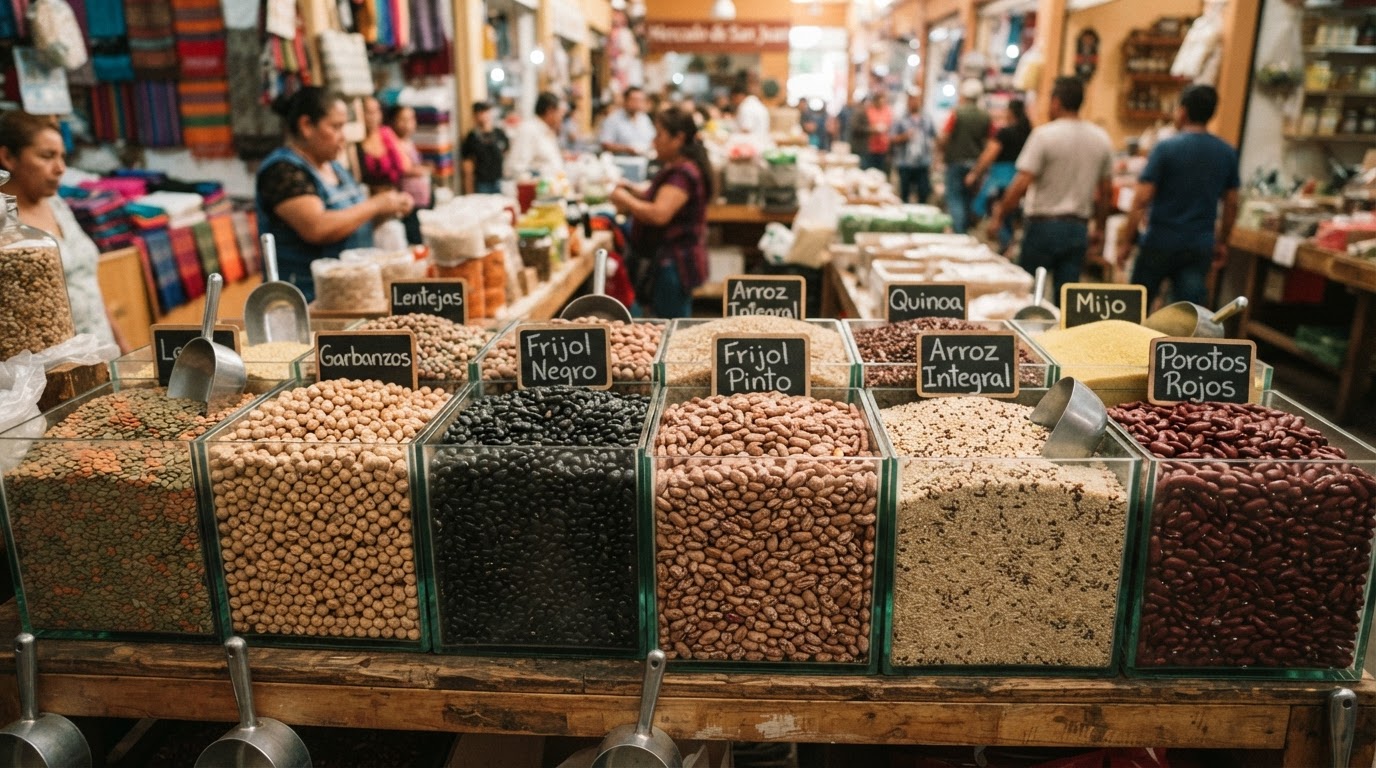
Your primary items on a cheap vegan grocery list should always include dried legumes, bulk-bought grains, and versatile frozen vegetables. These items offer the best balance of shelf-life, cost-efficiency, and nutritional value. By building a base of these core ingredients, you ensure that you always have the components for a meal ready at home.
- Dried Legumes: Lentils, black beans, and chickpeas bought in bulk bags (avoid canned versions to save up to 70% in costs).
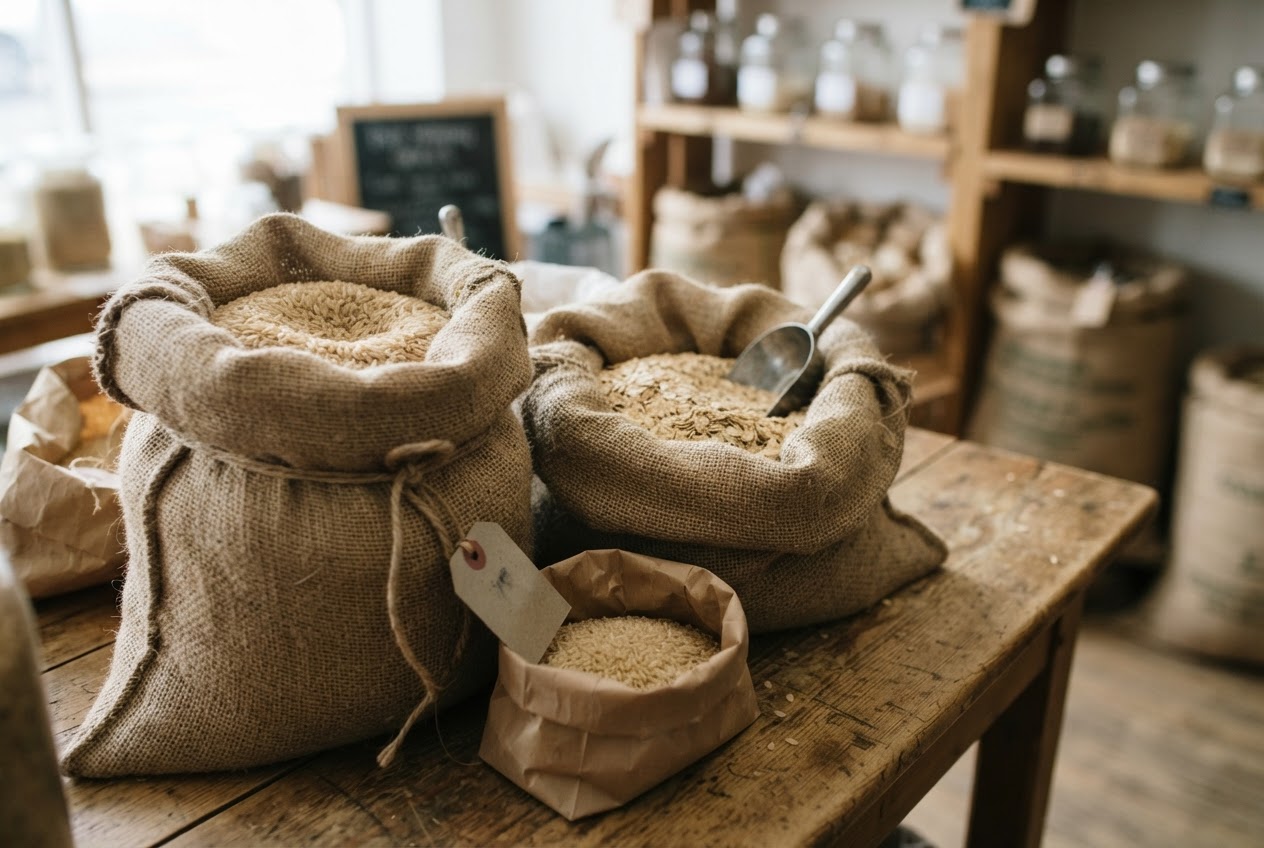
- Bulk Grains: Oats, brown rice, barley, and quinoa (buy the largest bags available).
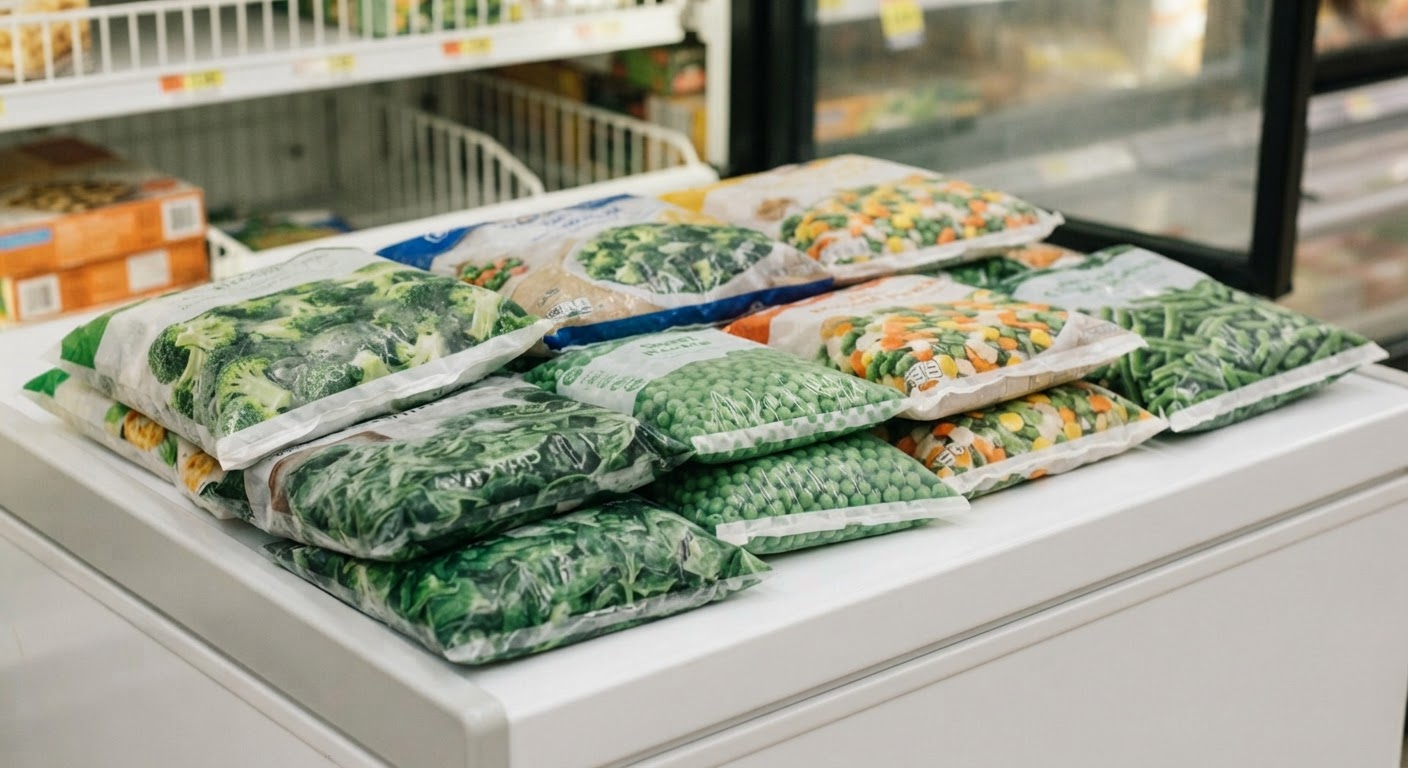
- Frozen Produce: Peas, spinach, and mixed vegetables (these retain nutritional integrity and prevent food waste).
- Seasonal Fresh Produce: Onions, carrots, potatoes, and cabbage (these are consistently the cheapest vegetables throughout the year).
"The transition to plant-based diets is not only a nutritional imperative for the planet but also the most viable strategy for families seeking to reduce their grocery bills amidst rising food inflation." — Independent assessment, EAT-Lancet Commission.
How can I maximize savings while shopping for vegan food?
To maximize savings when shopping for vegan on a budget meals, you must practice strategic planning and leverage bulk-purchasing. Many shoppers overspend by relying on convenience items like pre-packaged salads or ready-to-eat vegan meals, which can carry a markup of over 200%. Instead, focus on raw ingredients that require simple preparation at home.
Price Comparison: Bulk vs. Convenience
Black Beans
- Cost (Bulk/Dried)
- $1.50/kg
- Cost (Processed/Canned)
- $4.50/kg
- Savings
- 66%
Oats
- Cost (Bulk/Dried)
- $1.20/kg
- Cost (Processed/Canned)
- $5.00/kg
- Savings
- 76%
Brown Rice
- Cost (Bulk/Dried)
- $1.80/kg
- Cost (Processed/Canned)
- $4.00/kg
- Savings
- 55%
Chickpeas
- Cost (Bulk/Dried)
- $1.60/kg
- Cost (Processed/Canned)
- $3.80/kg
- Savings
- 58%
| Item | Cost (Bulk/Dried) | Cost (Processed/Canned) | Savings |
|---|---|---|---|
| Black Beans | $1.50/kg | $4.50/kg | 66% |
| Oats | $1.20/kg | $5.00/kg | 76% |
| Brown Rice | $1.80/kg | $4.00/kg | 55% |
| Chickpeas | $1.60/kg | $3.80/kg | 58% |
Are frozen vegetables a smart choice for budget vegan meals?
Yes, frozen vegetables are one of the most critical components of budget vegan meals because they provide year-round access to nutrition without the risk of spoilage. According to data from the University of California, frozen produce is often picked at the peak of ripeness, ensuring that mineral and vitamin content is preserved at levels often superior to 'fresh' produce that has been shipped long distances.
By keeping your freezer stocked with broccoli, spinach, and berries, you avoid the 'rot tax'—the financial loss incurred when fresh produce expires before you can consume it. This consistency also allows you to prepare large batches of food, such as stir-fries or soups, without needing to make frequent, unplanned trips to the grocery store, which are notorious for leading to impulse purchases.
How does batch cooking help with vegan grocery budgeting?
Batch cooking is the secret weapon for anyone eating vegan on a budget. By dedicating a few hours on the weekend to prepare large quantities of beans, grains, and vegetable bases, you eliminate the need to purchase expensive takeout or convenience snacks during the busy work week. This practice ensures your cheap vegan grocery list is utilized efficiently.
- Soak and Boil: Prepare a large pot of dried beans or chickpeas. Portion them into freezer-safe containers for future use.
- Grain Prep: Cook a large batch of rice or quinoa to be used in bowls, salads, or mixed into vegetable soups throughout the week.
- Sauce Creation: Make large batches of simple, affordable sauces using tahini, soy sauce, garlic, and vinegar to flavor your basic staples.
- Storage: Use glass jars to store your prepared components, which helps keep food fresh for longer compared to plastic bags.
Can I maintain health on a very restricted food budget?
Maintaining health on a restricted budget vegan meals plan is entirely possible when you prioritize nutrient-dense, calorie-cheap staples. The Adventist Health Study-2 has provided decades of data showing that those who consume a diet centered on whole plant foods—specifically legumes, nuts, and whole grains—experience lower rates of chronic disease, regardless of their total food budget.
To ensure you are getting all necessary nutrients, focus on these affordable powerhouses:
- Protein: Lentils and tofu are the most affordable protein-dense foods available.
- Iron: Dark leafy greens like kale and spinach are inexpensive when bought frozen or in-season.
- Fats: Flax seeds and sunflower seeds are much more affordable than high-end nuts like walnuts or cashews.
- Calcium: Fortified plant milks (often found as store-brand) or calcium-set tofu are essential, cost-effective sources.
By focusing on these specific, low-cost items, you fulfill your daily nutritional requirements without needing expensive supplements or specialty 'health foods' that are often marketed at high prices.

Strategic Substitutions for Premium Ingredients
You can significantly lower your grocery bill by identifying affordable, nutrient-dense alternatives to expensive specialty vegan products. By swapping high-cost items for pantry staples, you maintain nutritional quality while reducing spending. According to a 2022 analysis by the Journal of Nutrition, plant-based diets centered on whole foods are consistently less expensive than those relying on processed meat substitutes.
To optimize your spending, consider these effective swaps:
- Nutritional Yeast for Parmesan: Save money and gain B-vitamins by using nutritional yeast instead of expensive vegan cheeses.
- Homemade Plant Milk for Store-Bought: Making oat milk at home costs roughly 80% less than purchasing commercial brands, as noted in a 2023 report by the Plant-Based Foods Association.
- Tofu for Meat Alternatives: Commercial 'mock meats' carry a high price premium; firm tofu, when pressed and marinated, provides a superior cost-per-gram protein ratio.
Focusing on these simple substitutions allows you to allocate your budget toward high-quality bulk grains and seasonal produce. By avoiding ultra-processed items, you minimize the 'convenience tax' that often inflates vegan grocery receipts. As highlighted by Oxford University (2020) research, the most affordable healthy diets are those based on legumes and grains rather than manufactured food products.
<!-- one-fork:related-links -->
Further Resources for Budget-Friendly Plant-Based Living
- One Fork Magazine
- Free Vegan Tools
- Nutrition: protein
- Ingredient Label Scanner
- Common myths, debunked
- Ask a vegan
- How to actually start
<!-- /one-fork:related-links -->
Frequently asked questions
- What is the most effective way to start a cheap vegan grocery list?
- Start by auditing your pantry and prioritizing bulk staples like dried lentils, chickpeas, and brown rice. According to the FAO, these plant-based staples are not only the most affordable sources of protein globally but also provide essential micronutrients. Focus on buying seasonal produce, which significantly lowers the cost per kilogram compared to imported, out-of-season items.
- How can I eat vegan on a budget without sacrificing health?
- To eat vegan on a budget while maintaining health, focus on nutrient-dense staples like legumes, dark leafy greens, and cruciferous vegetables. The Adventist Health Study-2 consistently shows that these affordable whole foods provide the necessary fiber and antioxidants for longevity. Avoid expensive processed meat substitutes and rely on home-cooked meals to keep costs low.
- Are budget vegan meals actually filling?
- Yes, budget vegan meals are highly satiating because they are generally high in complex carbohydrates and dietary fiber. Research published by the Lancet indicates that diets rich in beans, grains, and vegetables promote sustained satiety and stable blood sugar levels, helping to reduce the overall volume of food required to feel full throughout the day.
- Is a plant based diet affordable for everyone?
- A plant-based diet is widely considered the most affordable way to eat when centered on whole foods. The 2018 Oxford-based Poore & Nemecek study demonstrated that replacing meat with pulses and grains reduces total food costs significantly. While specialty vegan products carry a premium, basic plant-based staples remain the most cost-effective calories in most global markets.
- Where should I buy my cheap vegan groceries?
- To maximize savings, purchase your ingredients at discount supermarkets, local farmers' markets, or bulk-food stores. Many major retailers now offer private-label dried beans, rice, and oats that cost a fraction of name-brand versions. Shopping in the 'ethnic' or international food aisle often reveals lower prices for spices, legumes, and specialty grains compared to standard grocery aisles.
- What is the cheapest source of protein on a vegan diet?
- Dried lentils and beans are the most cost-effective protein sources. According to the USDA (2023), dry pulses offer the lowest price per gram of protein compared to any other food category, including animal products or processed vegan alternatives.
- Does buying organic produce break a vegan budget?
- Buying organic is not required for a healthy vegan diet. The Environmental Working Group (2024) suggests prioritizing organic for specific 'Dirty Dozen' crops while purchasing conventional produce for items with thick peels, which significantly lowers costs without compromising nutritional intake.
- How can I avoid food waste while eating vegan?
- Proper storage is essential. The Natural Resources Defense Council (NRDC) notes that using airtight containers and freezing produce before it wilts can reduce household food waste by up to 30%, directly saving money on your monthly grocery bill.
- Are canned beans healthier than dried beans?
- Both are nutritionally similar, but dried beans are significantly cheaper. While canned beans offer convenience, they often contain added sodium. Rinsing canned beans thoroughly can remove up to 40% of excess sodium, according to the American Heart Association.
- Can a vegan diet be nutrient-complete on a budget?
- Yes, provided you focus on variety. The Academy of Nutrition and Dietetics states that a well-planned vegan diet is nutritionally adequate for all life stages, provided you consume fortified foods or supplements for Vitamin B12, which is essential regardless of your budget.
- What is the most cost-effective way to flavor vegan food?
- Using dry spices, garlic, onions, and vinegar provides deep flavor at a fraction of the cost of bottled sauces. According to The Culinary Institute of America, building a foundation of aromatics allows for endless variety without relying on expensive, processed flavor enhancers.
Sources
- Reducing food's environmental impacts through producers and consumers — Science
- The EAT-Lancet Commission on Food, Planet, Health — EAT Forum
- FAO Statistical Yearbook — FAO
- Adventist Health Study-2 — Loma Linda University
- The Environmental Cost of Food — Science
- The Dirty Dozen and Clean Fifteen — Environmental Working Group
- Position of the Academy of Nutrition and Dietetics: Vegetarian Diets — Journal of the Academy of Nutrition and Dietetics