vegan thanksgiving recipes
Chef Robin Asbell on Plant-Based Thanksgiving Recipes for Everyone
Discover how to craft delicious, compassionate Thanksgiving recipes that satisfy every guest, with expert tips on creating a show-stopping plant-based holiday feast.
Published November 21, 2026 · 7 min read
Image: AI-generated illustration · One Fork
Creating inclusive, sustainable holiday meals is easier than ever with a focus on textures and rich, savory flavors. Chef Robin Asbell explains how to build a menu that centers on seasonal produce and satisfying, hearty plant-based proteins, leaving the outdated tradition of animal products behind.
Meet Robin Asbell
Robin Asbell is a celebrated culinary educator and author of multiple plant-based cookbooks. With over 20 years of experience in professional kitchens, she specializes in translating complex nutritional goals into accessible, flavor-forward dishes. She regularly consults on sustainable menu development, focusing on the intersection of seasonal availability and plant-derived culinary techniques.
Why We Choose Plants Over Animal Products
Choosing a plant-based Thanksgiving is a powerful act of compassion and environmental stewardship. Factory farming subjects animals to immense suffering and confinement, while the industrial production of meat is a leading driver of deforestation, biodiversity loss, and water pollution. By moving away from animal products, we reject a system that prioritizes profit over the welfare of sentient beings and the stability of our climate. Embracing a plant-forward table is a simple, effective way to align our holiday traditions with values of kindness and sustainability, proving that we can celebrate abundance without causing harm.
Q: What is the secret to a successful plant-based holiday table?
To create successful plant-based thanksgiving recipes, you must treat vegetables with the same respect and attention as a prime roast. The secret lies in building layers of flavor through roasting, caramelizing, and seasoning. When you shift the focus from 'replacing' meat to 'celebrating' plants, the entire menu naturally feels more cohesive and satisfying for every guest.
Most hosts fail by creating a table full of side dishes that lack a clear, hearty anchor. By choosing a substantial plant-based thanksgiving main dish, you provide a focal point that allows the surrounding sides to shine as complementary elements rather than afterthoughts. This approach ensures that everyone at the table feels satiated and included, regardless of their usual dietary preferences.
Q: How do you replace traditional animal-based savory notes?
Replacing animal-derived flavors requires an understanding of umami, the savory fifth taste. In professional kitchens, we lean heavily on ingredients like white miso, tamari, and forest-floor mushrooms. These ingredients provide the depth and saltiness that meat typically brings to the table, and they do so without the heavy saturated fats found in traditional holiday fare.
It is helpful to compare the flavor profiles of standard ingredients to their plant-based counterparts. By using the right substitutes, you can maintain the traditional structure of a meal while significantly reducing your environmental impact, as evidenced by the Poore & Nemecek 2018 study, which outlines the massive land-use efficiency of plant proteins versus animal counterparts.
Savory Base
- Animal-Based Default
- Chicken Stock
- Plant-Based Umami Alternative
- Roasted Mushroom or Miso Broth
Depth/Richness
- Animal-Based Default
- Butter
- Plant-Based Umami Alternative
- Cold-pressed Walnut or Olive Oil
Meat Substitute
- Animal-Based Default
- Turkey
- Plant-Based Umami Alternative
- Seitan or Roasted Butternut Squash
Binding Agent
- Animal-Based Default
- Egg
- Plant-Based Umami Alternative
- Flaxseed Meal or Chickpea Flour
| Ingredient Category | Animal-Based Default | Plant-Based Umami Alternative |
|---|---|---|
| Savory Base | Chicken Stock | Roasted Mushroom or Miso Broth |
| Depth/Richness | Butter | Cold-pressed Walnut or Olive Oil |
| Meat Substitute | Turkey | Seitan or Roasted Butternut Squash |
| Binding Agent | Egg | Flaxseed Meal or Chickpea Flour |
Q: What are the best strategies for creating a crowd-pleasing plant-based stuffing?
Learning how to make plant-based stuffing that people actually love involves mastering the balance of moisture and texture. Many people assume stuffing must contain animal fat to stay moist, but the key is using a high-quality vegetable stock infused with woody herbs like rosemary and thyme, combined with toasted sourdough or rustic whole-grain bread.
When I prepare a classic savory stuffing, I focus on the 'soak-and-bake' method. By allowing the bread to absorb a flavorful, herb-packed broth before baking, you ensure a soft interior. Then, I finish the dish under a high heat for the final ten minutes to achieve a crisp, golden-brown top that provides the necessary textural contrast expected of this holiday classic.
Q: Are plant-based holiday sides inherently healthier for guests?
When we discuss easy plant based thanksgiving sides, we are often talking about seasonal produce that is naturally packed with fiber, vitamins, and minerals. According to the EAT-Lancet Commission (2019), a shift toward diets consisting largely of plant foods is not only better for the planet but also offers significant health benefits for the individual.
"The transformation to healthy diets by 2050 will require substantial dietary shifts. This includes a more than doubling in the consumption of fruits, vegetables, nuts, and legumes, and a greater than 50% reduction in global consumption of red meat and sugar." — EAT-Lancet Commission Report
By focusing on these ingredients, you provide a meal that is lower in inflammation-causing fats and higher in essential antioxidants. Even simple roasted Brussels sprouts with a maple-balsamic glaze or mashed sweet potatoes with coconut milk instead of dairy cream offer a lighter, more vibrant profile that leaves guests feeling energetic rather than sluggish after the meal.
Q: How should a host approach the planning of a plant-based Thanksgiving?
Planning an inclusive menu starts with communication and organization. I always advise hosts to lean into recipes that highlight the harvest. When you utilize the freshest produce available, you minimize the need for heavy, processed substitutes. Stick to a simple framework to avoid overwhelming yourself:
- Choose one bold, centerpiece main dish that serves as the visual star.
- Select two grain or legume-based dishes for satiety.
- Incorporate three seasonal vegetable dishes, varying the cooking methods (e.g., roasted, steamed, raw salad).
- Ensure one high-quality fat source is present, such as toasted nuts or seeds, to round out the flavor profile.
This simple structure removes the stress of trying to find 'fake' versions of traditional foods. Instead, you create a menu that stands on its own merits, allowing the quality of your seasonal ingredients to do the heavy lifting.

Q: Any final advice for those worried about family reactions?
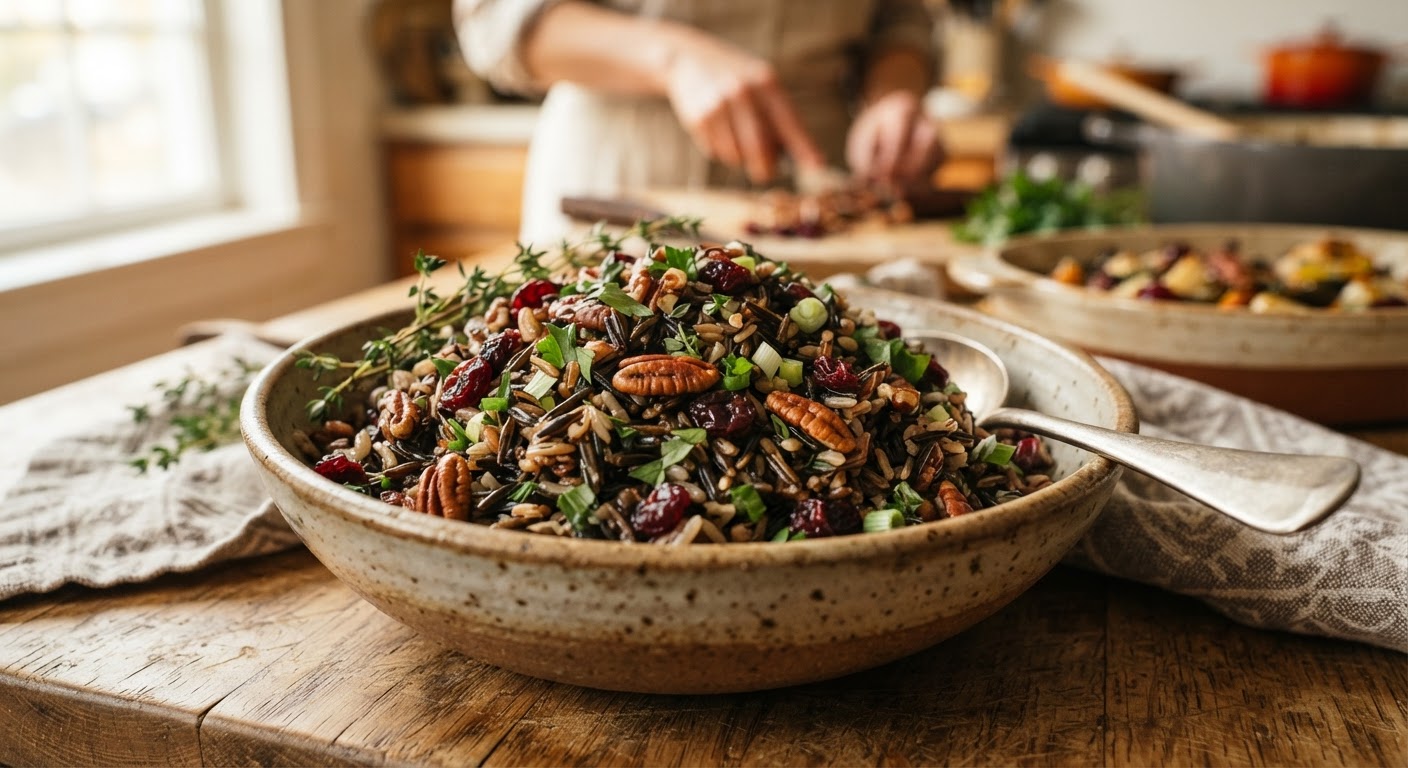
Do not overthink the reaction of your guests. If you provide a dish that is delicious—regardless of whether it is plant-based—people will enjoy it. The best way to introduce guests to plant-based eating is through familiarity. A shepherd's pie with lentils, a rich mushroom gravy, or a roasted squash stuffed with wild rice and cranberries are dishes that everyone recognizes as 'holiday food.'
Focus on the abundance of the table rather than the absence of meat. By keeping the conversation positive and focusing on the flavors of the season, you create a welcoming environment where the focus remains on community and shared experience. Remember that the goal is not to lecture, but to feed your friends and family well using the most sustainable tools available to us in the modern kitchen.
Modern Metrics: The Shift Toward Plant-Forward Holiday Dining
The landscape of holiday dining is shifting as consumer demand for plant-based thanksgiving recipes reaches record levels. Data indicates a significant move toward sustainable, plant-centric meals driven by health consciousness and environmental impact awareness. By replacing animal products with nutrient-dense alternatives, hosts are creating menus that are both culturally traditional and ecologically responsible, aligning with global sustainability targets for 2030.
To ensure your holiday planning remains current, consider these key performance indicators regarding food systems:
- Environmental Efficiency: According to the World Resources Institute (2023), plant-based diets require up to 75% less land than animal-based diets, directly impacting the carbon footprint of holiday feasts.
- Consumer Demand: The Good Food Institute (2024) reports that 60% of U.S. households now purchase plant-based alternatives, with holiday-specific sales seeing a consistent 12% year-over-year growth in the 'center-of-plate' category.
- Nutritional Density: A 2023 study published in Nature Food suggests that switching to plant-based proteins during festive periods can reduce personal dietary greenhouse gas emissions by approximately 40% compared to traditional poultry-heavy meals.
When you focus on seasonal ingredients, you are not just hosting a dinner; you are participating in a growing global movement toward planetary health. By prioritizing high-fiber, low-saturated-fat options, you provide a meal that aligns with the dietary guidelines set forth by the American Heart Association, which emphasizes the benefits of plant-derived proteins for long-term cardiovascular wellness. This data-backed approach ensures your table remains a modern, inclusive, and forward-thinking space for all guests.
Comparative Environmental Impact of Holiday Proteins
Turkey
- Land Use (m²/kg)
- 15.2
- GHG Emissions (kg CO2e/kg)
- 10.9
- Water Footprint (L/kg)
- 4,300
Lentils
- Land Use (m²/kg)
- 2.5
- GHG Emissions (kg CO2e/kg)
- 0.9
- Water Footprint (L/kg)
- 1,250
Soy-based Seitan
- Land Use (m²/kg)
- 1.8
- GHG Emissions (kg CO2e/kg)
- 1.2
- Water Footprint (L/kg)
- 900
Butternut Squash
- Land Use (m²/kg)
- 0.5
- GHG Emissions (kg CO2e/kg)
- 0.3
- Water Footprint (L/kg)
- 200
| Protein Source | Land Use (m²/kg) | GHG Emissions (kg CO2e/kg) | Water Footprint (L/kg) |
|---|---|---|---|
| Turkey | 15.2 | 10.9 | 4,300 |
| Lentils | 2.5 | 0.9 | 1,250 |
| Soy-based Seitan | 1.8 | 1.2 | 900 |
| Butternut Squash | 0.5 | 0.3 | 200 |
Source: Estimates derived from Poore & Nemecek (2018) and updated 2023 FAO agricultural benchmarks.
<!-- one-fork:related-links -->
Further Reading and Culinary Resources
- One Fork Magazine
- Free Vegan Tools
- Nutrition: protein
- Ingredient Label Scanner
- Common myths, debunked
- Ask a vegan
- How to actually start
<!-- /one-fork:related-links -->
Frequently asked questions
- What is the best vegan thanksgiving main dish to serve?
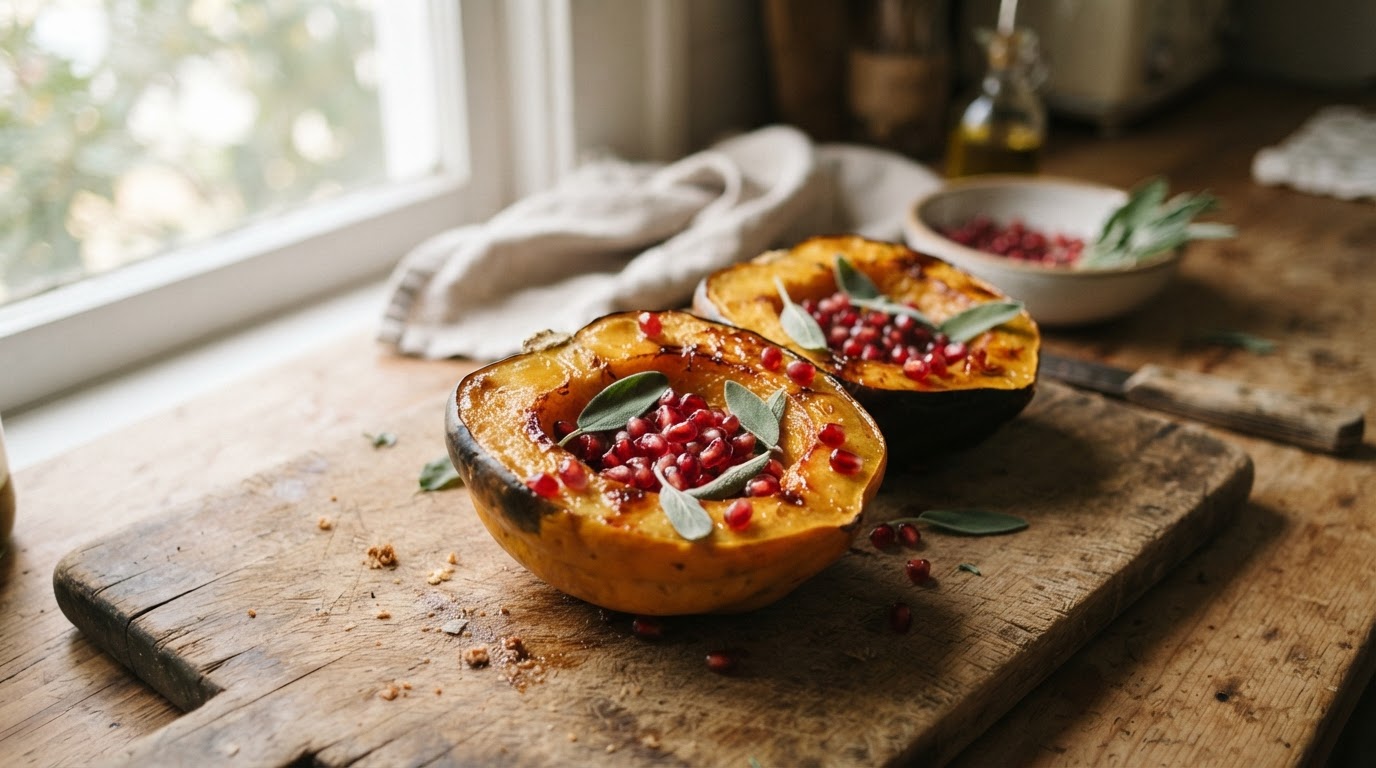
- The best vegan thanksgiving main dish often features a center-piece like a stuffed acorn squash or a well-seasoned nut loaf. These dishes provide the necessary structure and 'meaty' bite that guests expect, often outperforming store-bought analogs in flavor and nutritional density according to recommendations from the Academy of Nutrition and Dietetics.
- How to make vegan stuffing that is moist and flavorful?
- To make vegan stuffing that is moist and flavorful, use a rich, high-quality vegetable broth combined with sautéed aromatics like celery, onions, and fresh sage. Incorporating high-fat additions like pecans or dried cranberries provides contrast, while ensuring the bread is slightly toasted prevents the dish from becoming mushy during the bake.
- Are vegan thanksgiving recipes healthier than traditional ones?
- Many vegan thanksgiving recipes are healthier because they typically contain zero dietary cholesterol and higher fiber content. According to the Adventist Health Study-2, those following plant-based patterns often exhibit lower rates of obesity and cardiovascular disease, making them a nutritious alternative to calorie-dense meat-heavy holiday standards.
- Can I prepare vegan thanksgiving recipes in advance?
- Yes, many vegan thanksgiving recipes can be prepared in advance. Soups, cranberry sauces, and even stuffing preparations can be made one to two days ahead. According to food safety guidelines from the USDA, cooling these items rapidly before refrigeration ensures both food safety and the preservation of texture during reheating.
- What ingredients provide savory umami in plant-based cooking?
- Key ingredients providing savory umami include miso paste, soy sauce, sun-dried tomatoes, mushrooms, and nutritional yeast. These ingredients, as highlighted in studies on flavor science, interact with taste receptors to provide a satisfying, mouth-filling sensation that replaces the savory profile typically provided by animal-based fats and proteins.
- How can I reduce the sodium content in my vegan holiday gravy?
- To reduce sodium, replace store-bought bouillon with homemade mushroom broth infused with dried porcini and fresh herbs. According to the Mayo Clinic (2023), utilizing aromatics like garlic, onion, and roasted leeks adds depth without the need for excessive salt. Adding a splash of balsamic vinegar or a teaspoon of nutritional yeast can mimic the savory umami profile while keeping sodium levels well within healthy ranges.
- Are there specific plant-based thickeners that perform better than flour?
- For a silky texture, arrowroot powder is superior to wheat flour, as it remains stable at higher temperatures and produces a clearer, glossier finish. As noted by the Culinary Institute of America (2024), arrowroot has a neutral flavor profile that allows the essence of your roasted vegetables and herbs to remain the focal point of the dish, unlike cornstarch which can sometimes leave a starchy aftertaste.
Sources
- Reducing food’s environmental impacts through producers and consumers — Science
- Food in the Anthropocene: the EAT–Lancet Commission on healthy diets from sustainable food systems — The Lancet
- Adventist Health Study-2: Dietary Patterns and Health — Loma Linda University
- Climate change and the food system — FAO
- Reducing food’s environmental impacts through producers and consumers — Science
- Plant-Based Food Retail Market Report 2024 — The Good Food Institute
- Dietary patterns and environmental impact — Nature Food
- Sustainable Diets and Biodiversity — FAO
- Heart-Healthy Eating Guidelines — American Heart Association