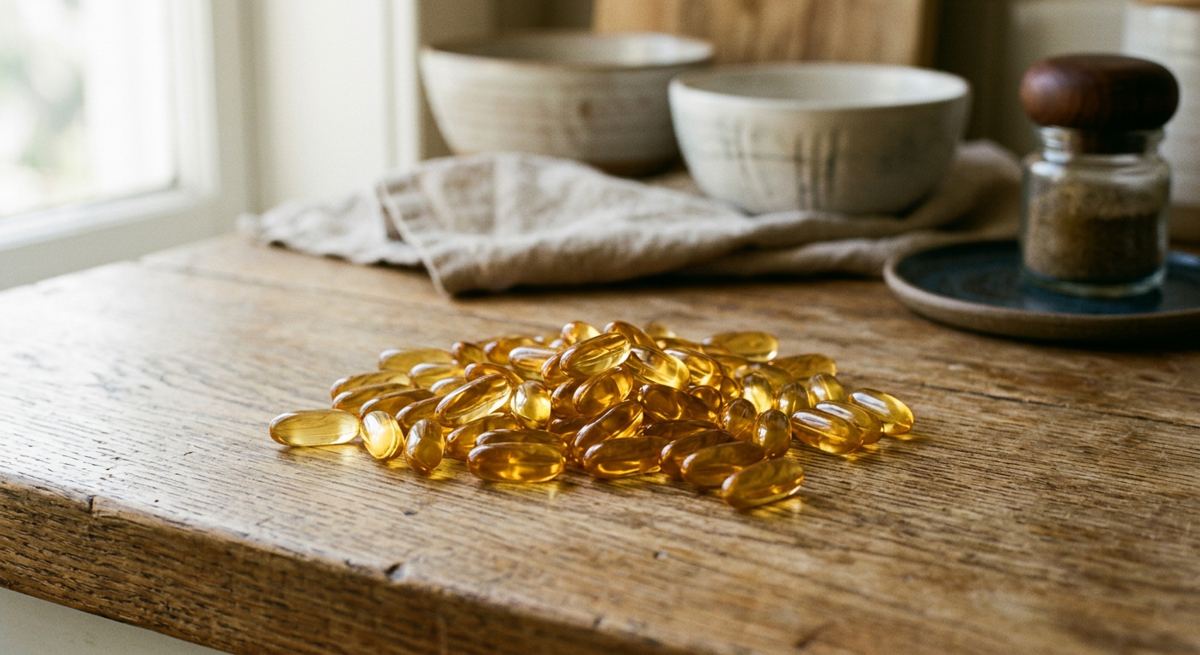
Is vitamin D3 vegan?
Sometimes vegan
Is vitamin D3 vegan?
Why
vitamin D3 is usually extracted from sheep's wool grease, so the standard version is an animal product; a lichen or algae version is vegan.
Vitamin D3 is not always vegan. While naturally sourced from lanolin in sheep's wool, making it non-vegan, there are vegan versions derived from lichen or produced via fermentation. Check the specific product or brand for sourcing details.
Where it comes from
- Vitamin D3 (cholecalciferol) is commonly extracted from lanolin, a waxy substance obtained from sheep's wool after shearing.
- Vegan versions are produced from lichen (a symbiotic organism) or via fermentation with yeast or chemical processes.
- Lanolin-based D3 dominates the supplement and fortified food market due to low cost and established supply chains.
- Synthetic vitamin D3 is sometimes made from cholesterol, but vegan-certified options avoid animal-derived sources.
- Industry facts: Most vitamin D3 in non-prescription supplements is wool-derived; lichen-based versions are less common but widely available from specialty brands.
Names to look for on the label
- Vitamin D3
- Cholecalciferol
- D3
- Colecalciferol
- E-number: E-160a (group)
- INCI: Cholecalciferol
- Lanolin vitamin D3
- Lichen-derived vitamin D3
To determine if vitamin D3 is vegan, always check the product label for explicit claims like 'vegan', 'plant-based', or 'lichen-derived'. Look for certifications from The Vegan Society or similar bodies. Avoid generic 'D3' without sourcing info, as it's likely from lanolin. For supplements, read the ingredient list or contact the manufacturer directly; many now offer vegan options. In fortified foods like plant milks or cereals, D3 is often from lanolin—opt for products stating 'vegan D3' or 'from lichen'. Online retailers often filter by dietary preference. Remember, vitamin D2 (ergocalciferol) is always vegan but less effective for some people.
What to use instead
algae oil — It does exactly the same job in coffee, cooking and baking, with no change in method.
How to check a label
Ingredient lists are legally required to name allergens such as milk and egg in bold, which catches most hidden animal ingredients. E-numbers and processing aids are the gap: E120, E441, E542, E904 and E920 are animal-derived, and processing aids often go unlisted. When in doubt, look for a certified vegan mark or ask the manufacturer directly — most reply within a few days.
Common questions about vitamin d3
Is vitamin D3 always from sheep's wool?
No, but most commercial vitamin D3 is derived from lanolin in sheep's wool. Vegan versions are made from lichen or via fermentation, and are explicitly labelled as vegan.
Can I get vegan vitamin D3 from sunlight?
Your body produces vitamin D3 from sun exposure, which is inherently vegan. However, supplements are needed in low-sunlight climates or for those with restricted sun exposure.
How do I know if a supplement's D3 is vegan?
Look for 'vegan' or 'plant-based' on the label. Lichen-derived or fermentation-derived D3 are common vegan sources. Contact the manufacturer to confirm if not stated, as ingredient lists don't specify origin.
Is vitamin D2 a good alternative to D3?
Vitamin D2 (ergocalciferol) is always vegan and available. It raises blood levels of vitamin D but is less effective at maintaining them long-term than D3. Many prefer vegan D3 for better efficacy.
Are there any regulations on vitamin D3 labelling?
In the EU and US, vitamin D3 must be listed as 'cholecalciferol' or 'vitamin D3' on labels, but sourcing (animal or plant) is not required. Vegan certification schemes fill this gap.
Sources: Poore & Nemecek (Science, 2018), FAO, USDA FoodData Central, Mekonnen & Hoekstra (2011).

Newsletter
One short letter. Once a month.
A handful of recipes, a story worth your time, and one thing you can do this week. Nothing else.
We never share your email. Unsubscribe in one click.