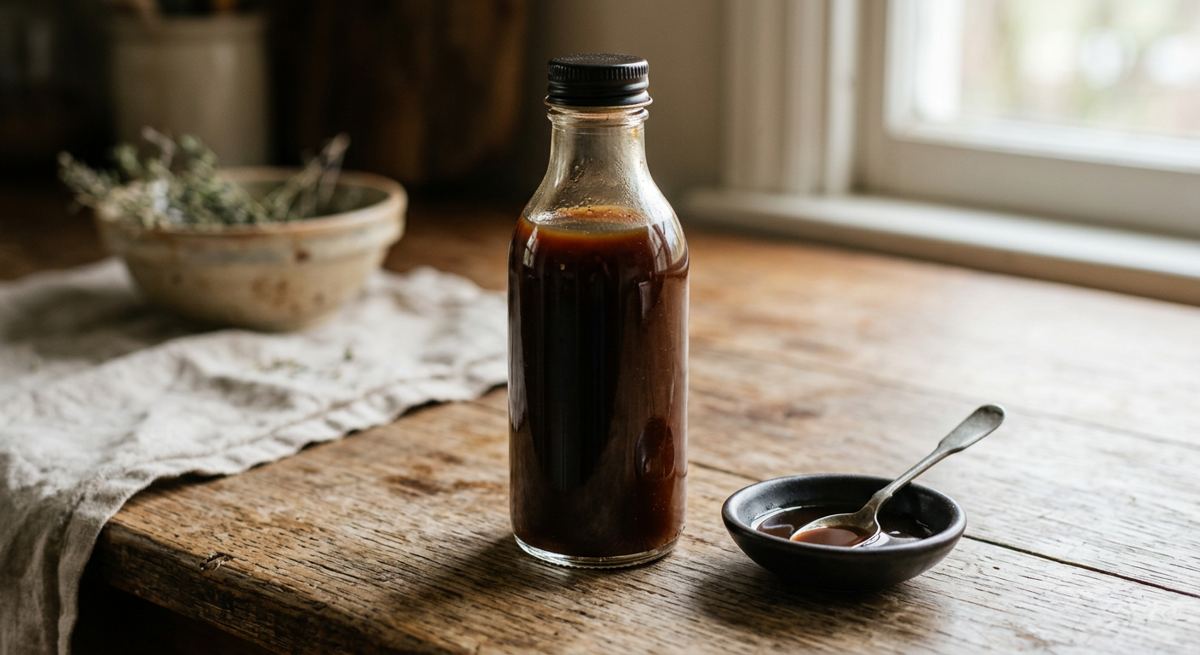
Is Worcestershire sauce vegan?
Not vegan
Is Worcestershire sauce vegan?
Why
Worcestershire sauce is made from fish or shellfish, so it is an animal product even when it appears only as a trace processing ingredient.
Worcestershire sauce is not typically vegan. Traditional recipes contain anchovies (small fish), which are an animal-derived ingredient. This makes most standard commercial Worcestershire sauces unsuitable for a vegan diet.
Where it comes from
- Worcestershire sauce originates from 19th-century British condiment making, traditionally blending vinegar, molasses, sugar, salt, spices, and tamarind extract.
- The key non-vegan ingredient is fermented anchovies, which provide a savoury umami flavour; some cheaper versions may also use fish extracts or essences.
- Plant-based and animal-free versions exist, produced by substituting fish ingredients with soy sauce, seaweed extracts, or mushroom-based flavourings. Precision fermentation can also produce vegan-friendly fish flavours.
- Industrial production often involves long fermentation processes for the base ingredients, with anchovies added early in the process.
- Notable industry fact: Lea & Perrins, the most widely known brand, still uses anchovies in its original recipe, though several specialty, store-own, or international brands offer vegan-friendly alternatives.
Names to look for on the label
- fish
- anchovies
- fish extract
- E150d (caramel colour—may be from animal-derived sources, though often plant-based)
- sugar (may be processed with bone char, though not always listed)
- natural flavouring (may include fish or animal-derived flavourings)
To check if Worcestershire sauce is vegan, always read the ingredient list carefully. Look for terms like 'fish', 'anchovies', 'anchovy', 'fish extract', or 'seafood seasoning'. Many standard brands (e.g., Lea & Perrins original) contain anchovies, so avoid these. Some supermarket own-label versions or specialty brands (e.g., The Wizard's or Biona) explicitly label their products as 'vegan' or 'suitable for vegans'. If in doubt, contact the manufacturer directly. Also be cautious with similar sauces like HP Sauce or steak sauce, as they may also contain fish derivatives. The absence of a 'vegan' label does not guarantee non-vegan status, but the presence of any fish-related ingredient means it is not suitable for vegans.
Commonly hides in
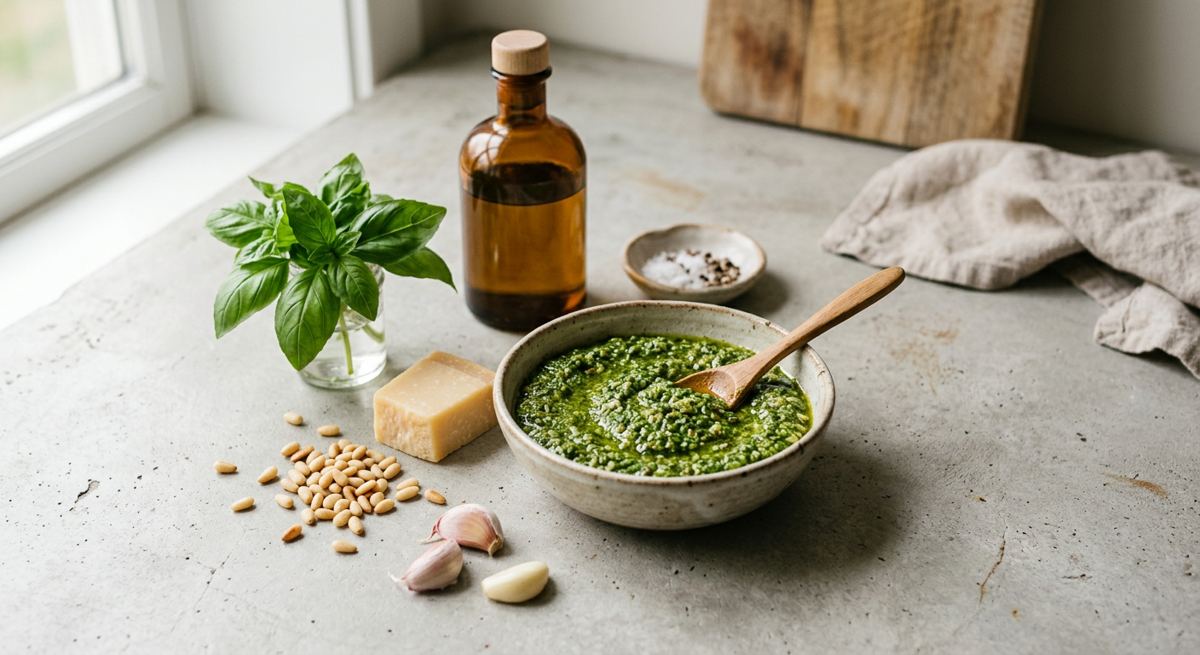
- pesto
What to use instead
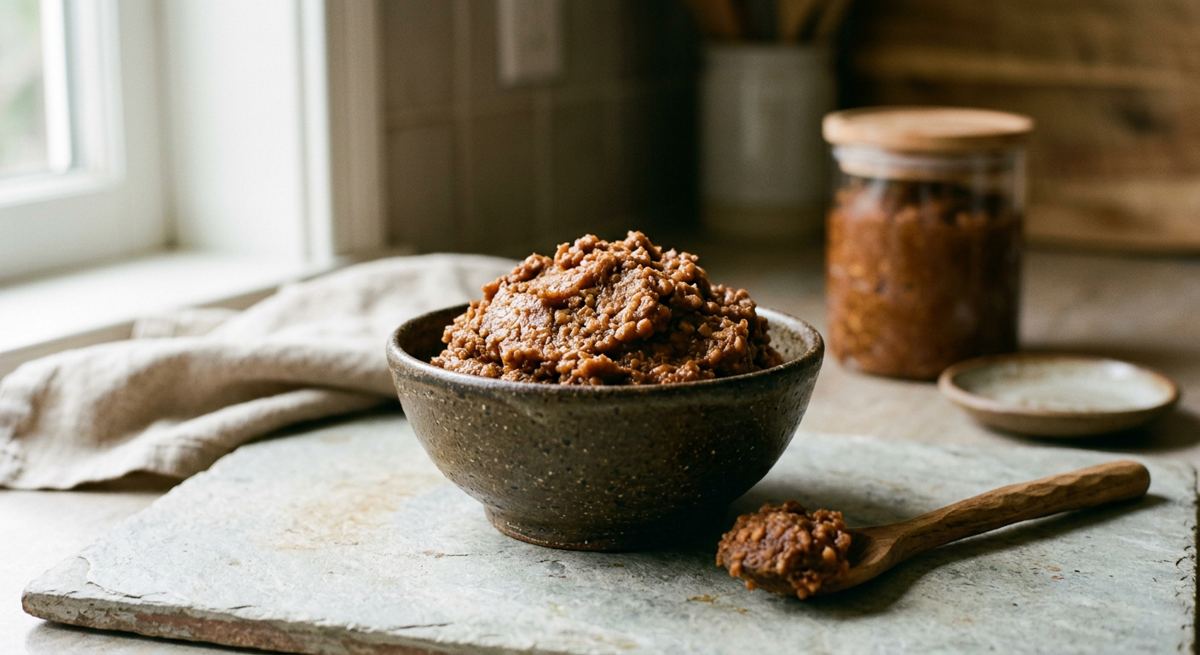
miso — It does exactly the same job in coffee, cooking and baking, with no change in method.
How to check a label
Ingredient lists are legally required to name allergens such as milk and egg in bold, which catches most hidden animal ingredients. E-numbers and processing aids are the gap: E120, E441, E542, E904 and E920 are animal-derived, and processing aids often go unlisted. When in doubt, look for a certified vegan mark or ask the manufacturer directly — most reply within a few days.
Common questions about worcestershire sauce
Is Lea & Perrins Worcestershire sauce vegan?
No, the original Lea & Perrins Worcestershire sauce contains anchovies, making it non-vegan. However, some limited-edition, international, or store-own versions may be vegan-friendly, so check the label.
Can I make vegan Worcestershire sauce at home?
Yes, you can easily make a vegan version by mixing soy sauce, apple cider vinegar, brown sugar, tamarind paste, garlic powder, onion powder, cloves, and water to replicate the savoury flavour without fish.
Are there any vegan-certified brands of Worcestershire sauce?
Yes, brands like The Wizard's, Biona, and some health food store brands produce vegan-certified Worcestershire sauces. Always check for 'vegan' or 'suitable for vegans' labels on the packaging.
Does Worcestershire sauce always contain fish?
No, not all Worcestershire sauces contain fish. Some modern or specialty brands replace anchovies with plant-based umami sources like seaweed, mushrooms, or soy sauce, making them fully vegan.
How is Worcestershire sauce traditionally made?
Traditionally, Worcestershire sauce is made by fermenting ingredients like vinegar, molasses, tamarind, onions, garlic, and anchovies for months. The anchovies break down to add a complex, salty flavour. This process is still used by many major brands.
Sources: Poore & Nemecek (Science, 2018), FAO, USDA FoodData Central, Mekonnen & Hoekstra (2011).
Newsletter
One short letter. Once a month.
A handful of recipes, a story worth your time, and one thing you can do this week. Nothing else.
We never share your email. Unsubscribe in one click.