
Selênio
Definição
O que significa 'Selênio'
O selênio é um mineral essencial que atua como cofator de enzimas antioxidantes, protegendo as células contra danos oxidativos. Sua ingestão adequada é vital para a função tireoidiana, síntese de DNA e resposta imune, sendo encontrado em castanhas-do-pará, carnes e frutos do mar.
Termos relacionados
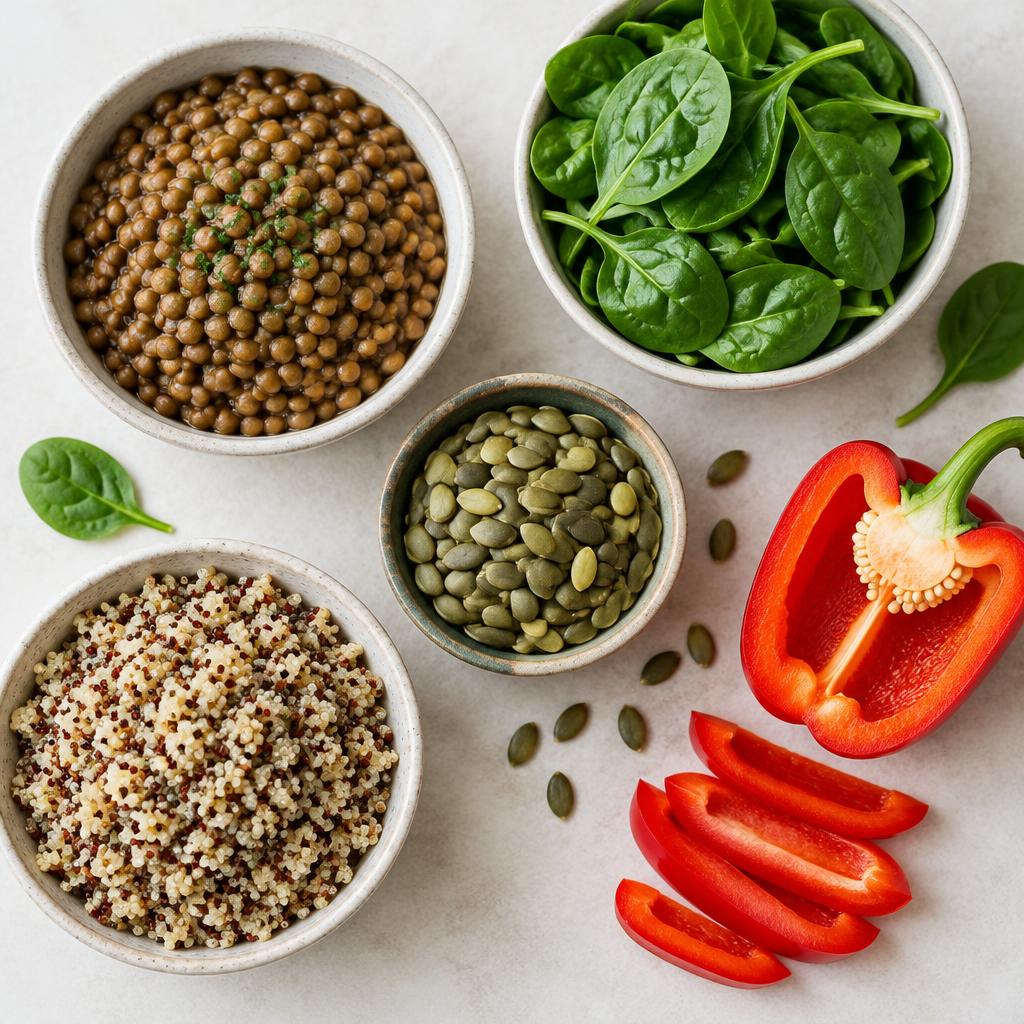
- Saúde
Processo pelo qual o organismo capta o ferro dos alimentos para uso em funções vitais como transporte de oxigênio.
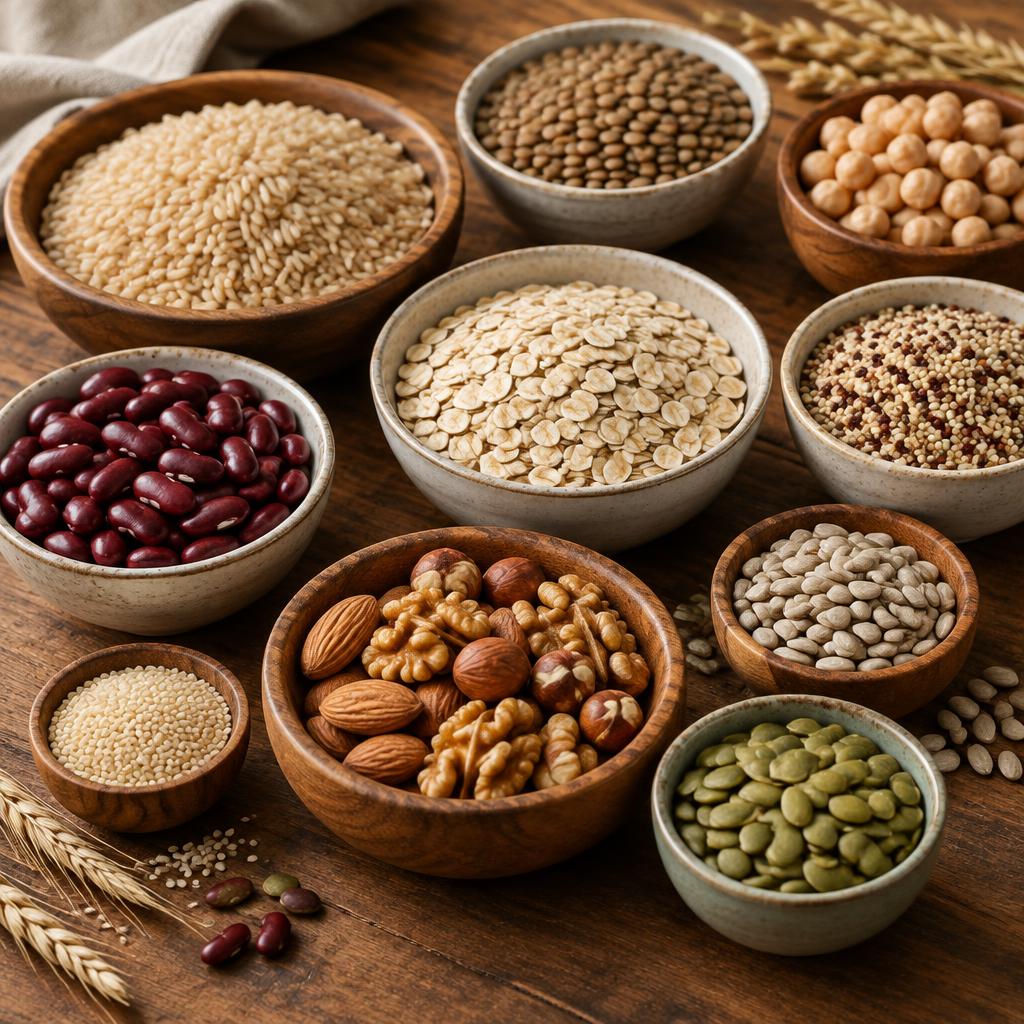
- Saúde
Composto natural presente em grãos e sementes que pode reduzir a absorção de minerais como ferro e zinco.
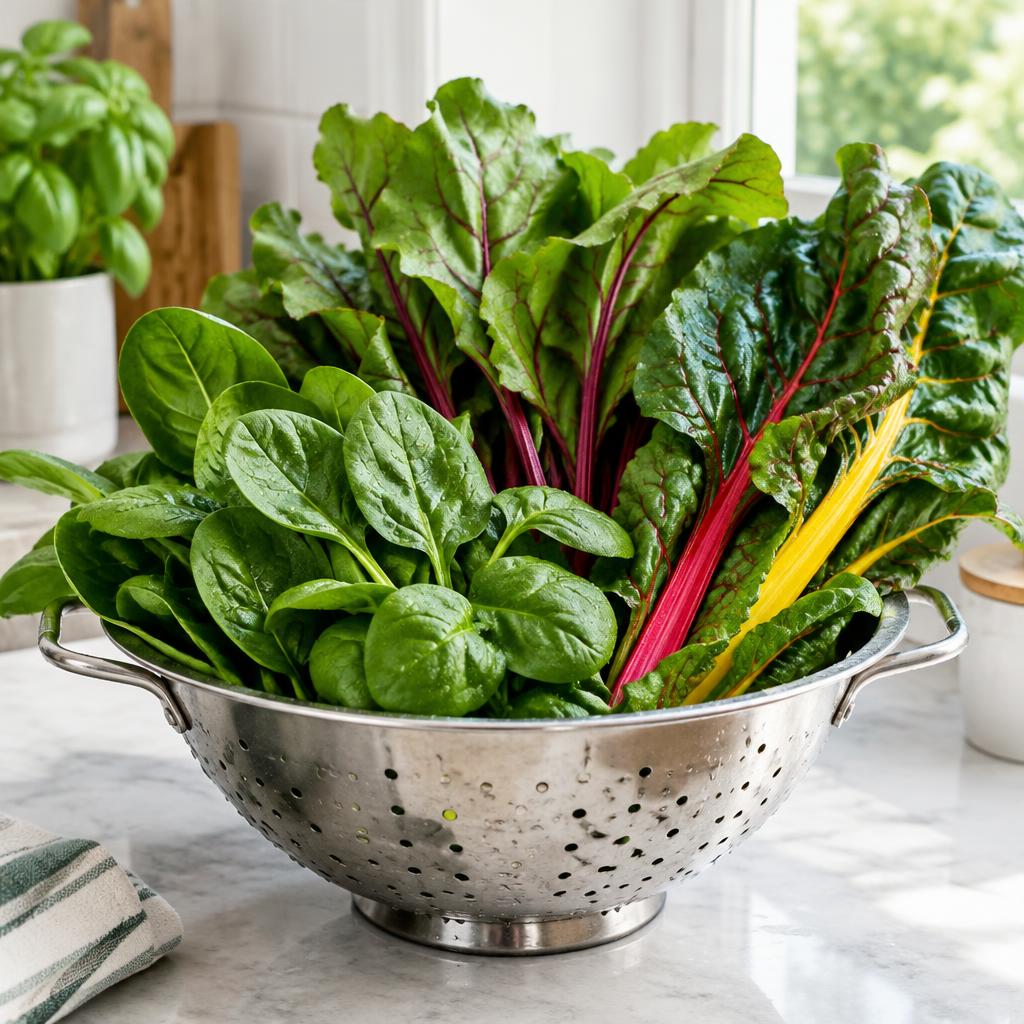
- Saúde
Substância natural em vegetais que pode se ligar ao cálcio, formando cristais e reduzindo sua absorção.


Em profundidade
A resposta completa
Selenium is an essential trace mineral that the human body requires in small amounts for critical physiological functions, including antioxidant defense and thyroid hormone metabolism. In the context of a plant-based diet, selenium is naturally present in soil and taken up by plants, so its content in foods varies geographically. Consumers encounter selenium in whole foods like Brazil nuts, sunflower seeds, mushrooms, and whole grains, as well as in fortified products such as plant-based milks and cereals. Because selenium levels in crops depend on regional soil selenium concentrations, dietary intake can differ significantly depending on where foods are grown.
In practice, selenium functions as a key component of selenoproteins, which are enzymes that protect cells from oxidative damage and regulate thyroid activity. The most well-known selenoprotein is glutathione peroxidase, which neutralizes hydrogen peroxide and lipid peroxides. Brazil nuts are exceptionally rich in selenium—just one nut can provide over 100% of the daily recommended intake—but their selenium content mirrors the soil of the Amazon basin where they are harvested. In regions with selenium-poor soils, such as parts of Europe and China, plant foods may contain very low levels, making supplementation or consumption of imported foods necessary for adequate intake.
For someone eating a plant-based diet, selenium matters because it is not as ubiquitous in plant foods as in animal products like meat and seafood, which typically accumulate selenium more reliably. A single Brazil nut daily can meet selenium needs, but overconsumption risks toxicity, as the upper tolerable limit is only 400 micrograms per day. Relying solely on local produce in selenium-deficient areas may lead to insufficiency, so it is prudent to include a variety of selenium-rich plant foods or consider a supplement. The nuance is that selenium requirements are small, and both deficiency and excess have adverse health effects, making balance key.
Num relance
Factos essenciais
- Necessidade diária
- 55 microgramas para adultos
- Fontes vegetais ricas
- Castanhas-do-pará, sementes de girassol, cogumelos
- Risco de toxicidade
- Limite superior de 400 microgramas diários
- Dependência do solo
- O conteúdo varia conforme a geografia
| Aspeto | O que saber |
|---|---|
| Necessidade diária | 55 microgramas para adultos |
| Fontes vegetais ricas | Castanhas-do-pará, sementes de girassol, cogumelos |
| Risco de toxicidade | Limite superior de 400 microgramas diários |
| Dependência do solo | O conteúdo varia conforme a geografia |
Na prática
O que isto significa para si
- Check if your region has selenium-poor soil; if so, eat one Brazil nut daily or use a supplement.
- Avoid eating more than three Brazil nuts per day to prevent selenium toxicity.
- Include sunflower seeds, chia seeds, or mushrooms regularly to diversify selenium sources.
- Read labels on fortified plant milks and cereals to see if selenium is added.
Perguntas